
Home Decor Styles Explained: Find Your Perfect Interior Style
Too many people copy rooms they see online without checking whether the look fits real life, and that is where home decor styles start to matter. A decor style is the visual logic behind a room, rather than just a mood board or a passing trend, and knowing yours saves money, time, and a lot of second-guessing.
A space featuring a neutral color palette can feel calm and layered when it is chosen with care, as seen in neutral living room ideas. This guide makes it easier to spot your own decorating preferences, compare the main interior design styles, and mix them with confidence, while also providing a quick visual primer in this interior design styles video.
Key Takeaways
- Style as a Framework: Interior design styles serve as a visual logic that guides decision-making, helping you create a cohesive home rather than just collecting random items.
- Observation Over Shopping: Before purchasing new furniture, conduct a “room audit” to identify existing patterns in color, shape, and material to build a home that feels personally authentic.
- Mastering the Mix: You can combine multiple styles by choosing one dominant aesthetic for your larger pieces and using a second style in smaller doses to add character without clutter.
- The Power of Editing: Whether you are working with a small apartment or a large living room, professional results come from restraint—prioritize negative space and quality over quantity to ensure your style remains breathable and functional.
What Are Interior Design Styles?
Interior design styles are the visual rules that shape how a room looks and feels. They bring together color, furniture, materials, shapes, and texture into one clear point of view. Among various home decor styles, that point of view is what keeps a room from feeling random or unfinished.
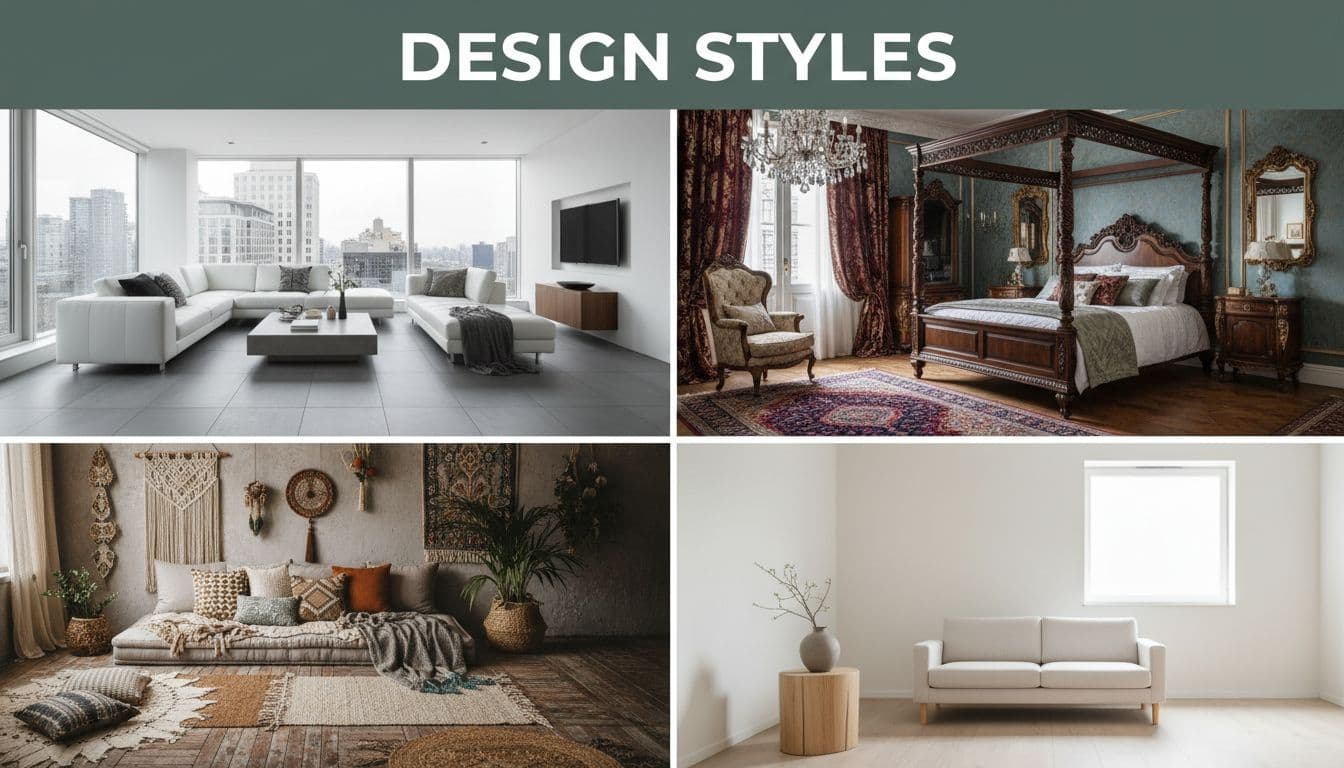 A style is more than a look
A decorating style is not just a pretty room on a screen. It is the thread that ties a space together, so the sofa, rug, lighting, and wall color all feel part of the same story. Without that thread, even expensive pieces can feel disconnected.
The most useful way to think about interior design styles is as a framework. Some homes follow one style closely, while others mix two or three in a balanced way, often leaning into a transitional style to keep the results intentional and cohesive.
A strong style does not demand sameness. It asks for clear choices.
The main parts of a design style
Most types of interior design styles can be read through a few visible details. Once those details are clear, the style becomes much easier to identify and copy in a practical way.
- Color palette shapes the mood first. Soft neutrals feel calm, while deeper tones feel richer and more grounded.
- Furniture lines set the tone. Clean lines feel modern and airy, while curved or carved forms feel more classic.
- Materials tell a lot about the style. Natural materials like wood, stone, and metal, along with glass, each push a room in a different direction.
- Pattern and texture add depth. Some home aesthetic styles stay quiet, while others use layers of print and textured fabrics to provide visual interest.
- Accessories and art finish the story. They often reveal whether a room leans casual, formal, nostalgic, or current.
Why interior design styles matter
Style gives a room direction. It helps people make better choices, especially when shopping room by room or decorating on a budget. Instead of buying pieces that only look good alone, the focus shifts to how they work together in your home.
It also makes the process less stressful. When the style is clear, decisions get faster, mistakes get smaller, and the room starts to feel like it belongs to the people living there. For a broader breakdown of popular looks, this guide to interior design styles is a useful reference point.
How styles usually show up at home
In practice, decorating styles for home spaces often appear as a mix of habits rather than a rigid formula. A room may borrow the clean lines of modern design, the warmth of traditional pieces, and the ease of casual layering. That blend can feel more natural than a strict single-theme approach.
The key is consistency. If a room uses warm woods, soft whites, and simple silhouettes, it already has a style language. If it leans into ornate finishes, moody colors, and heavier furniture, that language changes again.
What this means when choosing your own style
Finding a decorating style is less about picking a label and more about noticing patterns. The best starting point is what feels calm, repeatable, and easy to live with. A style should support daily life, not fight it.
That is why the best interior style guide begins with observation. Notice the rooms that feel right, then look for the common thread. Over time, that thread becomes the basis for a home that feels edited, personal, and fully lived in.
How to Find Your Home Decor Style Before Buying Anything
The clearest style clues are already in the room, before a single new purchase enters it. Most people rush to shop, then realize the sofa, rug, and lamp each point in a different direction. A better approach starts with patterns, because home decor styles usually show up in repeated colors, shapes, and materials long before they show up in a cart.
The goal of a successful home makeover is simple. Find the visual thread that already feels natural, then build around it. That makes decorating feel calmer, more considered, and far less expensive.
Start with what already feels natural
Existing pieces often reveal more than any inspiration photo ever will. A favorite chair, vintage pieces kept for years, or a stack of books on a side table can point to the mood a room wants. If the same finishes keep appearing, that is not an accident.
A quick room audit helps. Look at what has stayed in place and what gets moved out of the way first. That usually shows what feels right in daily life, not just in theory.
A simple way to track those clues is to note:
- Colors that repeat in clothing, art, textiles, and favorite objects
- A neutral color palette or consistent earth tones that appear across your floor plan
- Shapes that feel comfortable, such as clean lines, arches, curves, or carved details
- Materials that keep showing up, like oak, brass, linen, stone, or rattan
- The overall mood, whether the room feels calm, crisp, soft, dramatic, or layered
If the pattern leans toward warm woods, soft surfaces, and relaxed textures, the style may sit closer to contemporary or organic decorating styles for home. If it keeps pointing toward dark finishes, velvet, and stronger contrast, the mood shifts again. A quick decorating style quiz can help narrow the field, but it works best after this first round of observation.
Build a mood board, not a shopping list
A mood board shows direction, while a shopping list can hide confusion. The strongest way to find your decorating style is to collect inspiration, including wall art and prints that feel right, then study what they have in common. One room may not explain much on its own, but twelve saved selections usually do.
The best boards mix rooms, details, and textures. A chair shape, a cabinet finish, a paint color, and a fabric swatch often tell more than a full room photo. That is where the style starts to sharpen.
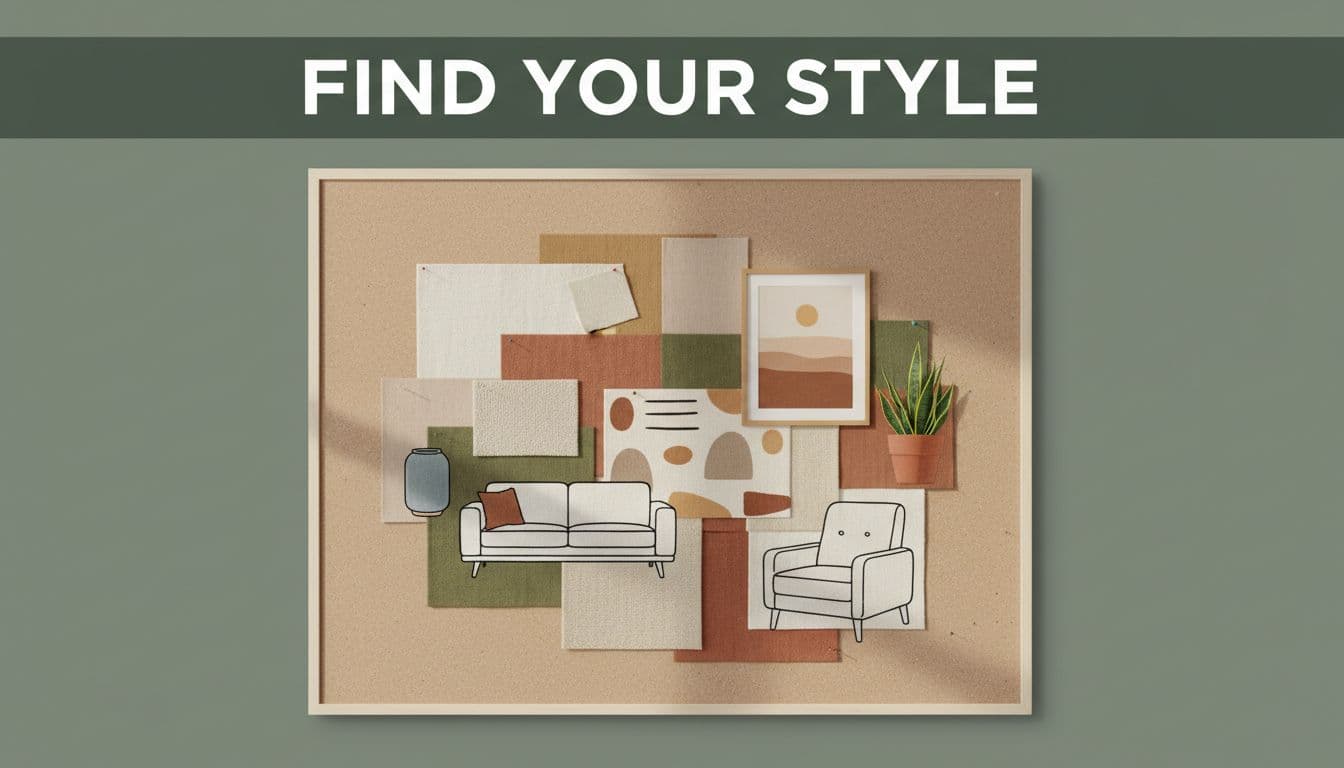 A useful mood board usually includes:
- Rooms that feel calm or energizing
- Furniture shapes that keep appearing
- Materials that feel easy to live with
- A few color combinations that keep pulling attention
- Details that appear more than once, like cane, marble, velvet, or matte black
That repeat pattern matters more than a perfect label. In many cases, the result is a hybrid style, not a strict category. A person may like the softness of traditional design, the simplicity of modern pieces, and the warmth of natural textures all at once. For a second opinion, this interior design style quiz is a useful reference point.
Pro Tip: Save images for a few days before judging them. The ones that still feel right after the first rush of scrolling usually reveal the real style.
Test the look in small, reversible ways
Small tests show whether a style works in real life, not just on a screen. A pillow cover, table lamp, vase, or art print can tell more than a full room purchase. These smaller choices are easier to change, so they reduce risk while the style is still taking shape.
This step matters because style should feel repeatable. If a look only works in one perfect photo, it may not fit the way a room gets used. The better test is whether the choice still feels right after a week of daily life.
The safest trial pieces are the ones that are easy to swap:
- A throw pillow in a new texture or color
- A small rug layered over the existing one
- A lamp with a different base material
- One framed print that shifts the room’s tone
- A ceramic or glass accessory that adds the right finish
Warm earthy tones, mixed wood, linen, and rattan are showing up often in current home aesthetic styles, and they can be tested without rebuilding a room from scratch. That kind of trial keeps the process grounded. It also makes the final style feel chosen, not guessed.
Luxury Home Decor Style
Luxury home decor style is built on restraint, proportion, and materials that feel good in daily use. The look is polished, but it should never feel stiff. In practice, the best luxury interiors rely on fewer pieces, better spacing, and a stronger mix of texture, which is why the style often feels calm before it feels expensive.
Warm neutrals, sculptural furniture, and subtle shine are leading the way in current luxury interiors. That shift makes the style easier to live with, because it trades loud statements for rooms that feel layered, edited, and steady.
Luxury Living Room Ideas
A luxury living room feels refined when the shapes are balanced, the materials are rich, and the room is layered with intention. The sofa usually does the most work, so its scale matters. A piece that is too small looks lost, while one that overwhelms the room flattens everything around it.
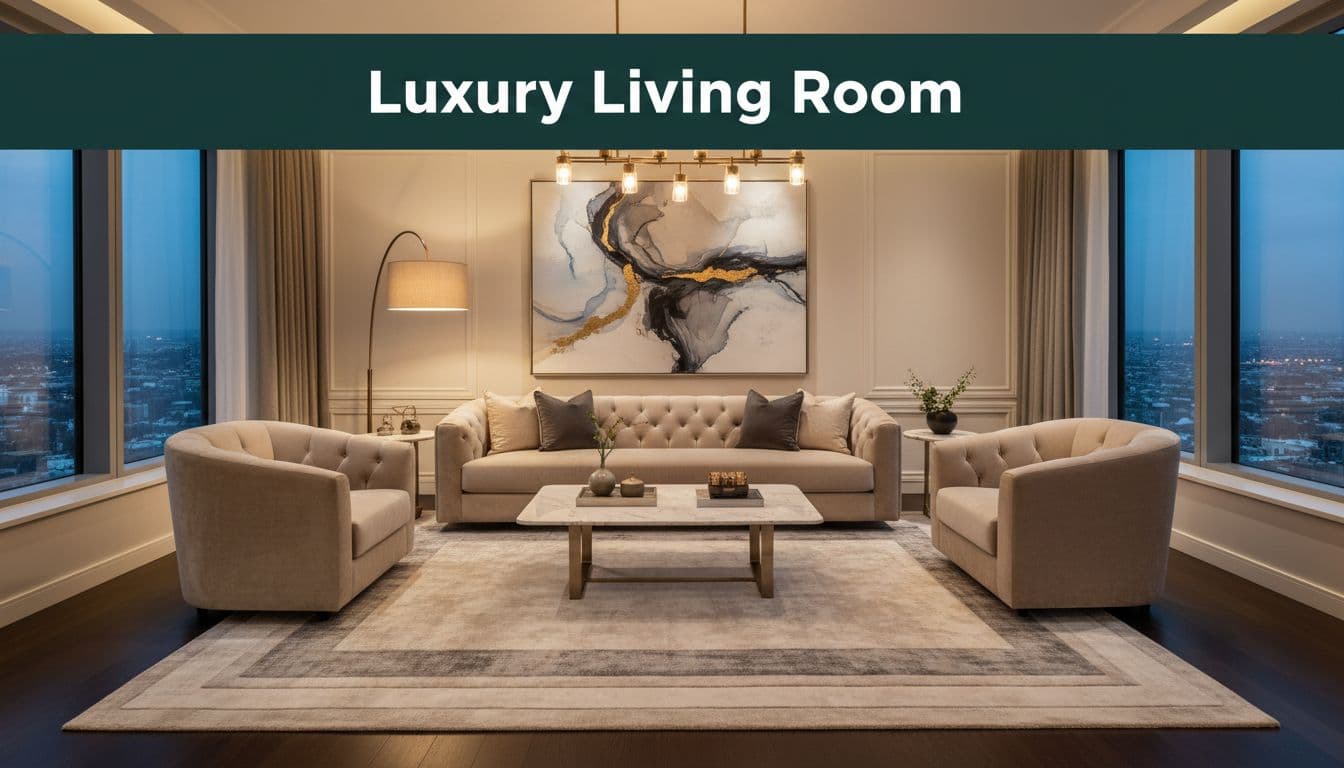 The strongest rooms pair a generously sized sofa with space around it, then soften the structure with a rug, a throw, and warm light. A marble or wood coffee table, a low-pile wool rug, and one large piece of wall art often do more than a room full of smaller accents.
A restrained palette keeps the room grounded. Cream, taupe, camel, stone, and soft charcoal create a quiet base, then brass, blackened metal, or polished wood add contrast without noise.
A few details make the difference:
- Choose a sofa with presence, but keep the profile clean and comfortable.
- Layer rugs and textiles so the room feels tactile, not flat.
- Use lighting at different heights, including table lamps and a floor lamp.
- Hang wall art with scale, since one strong piece usually reads better than several small ones.
- Repeat materials carefully, like marble, linen, or walnut, so the room feels coherent.
Pro Tip: A luxury living room looks more expensive when the largest items are simple and the smallest details are thoughtful.
Luxury Bedroom Ideas
A luxury bedroom works best when it feels like a quiet hotel suite with better texture and less clutter. Symmetry matters here, because matching nightstands, balanced lamps, and a centered bed create instant calm. The room should feel settled before it feels decorated.
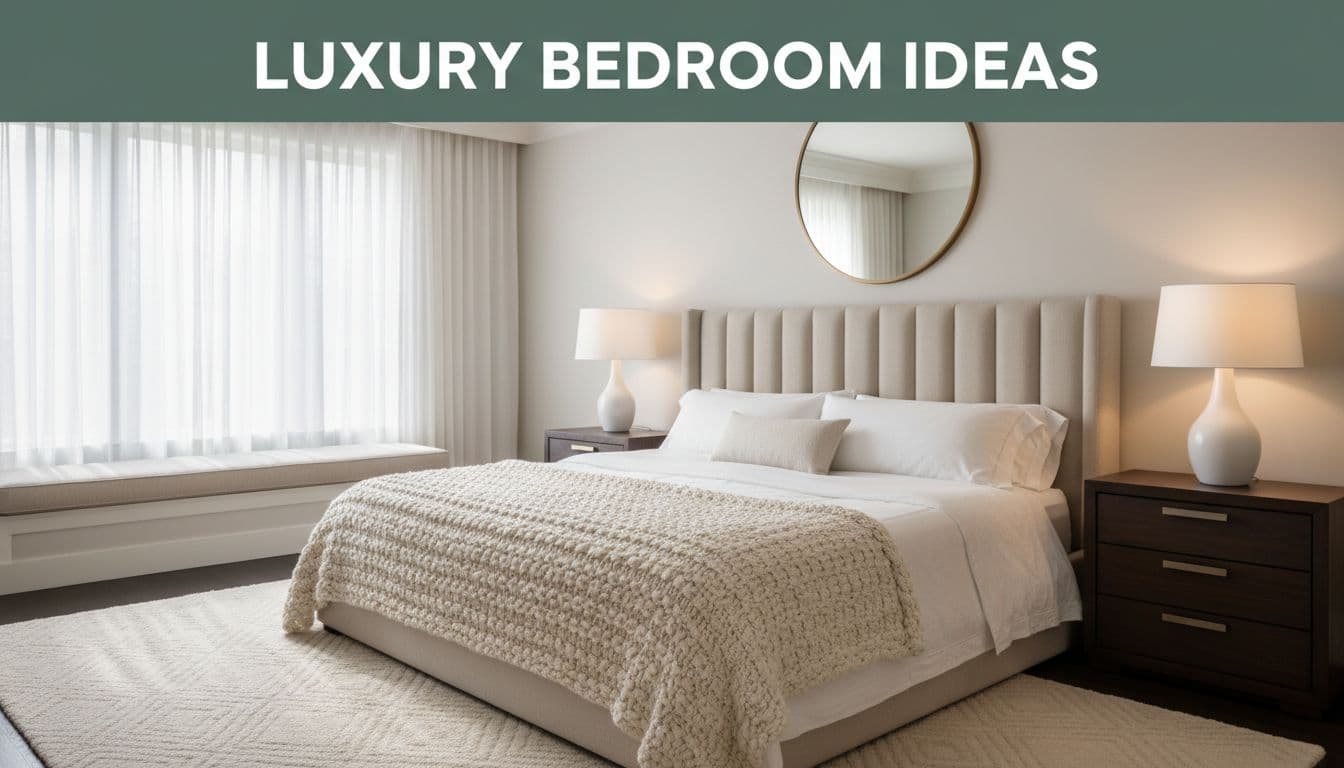 Bedding is the anchor. Crisp sheets, a textured duvet, and one or two layered throws bring depth without crowding the bed. Floor-length curtains, soft bedside lighting, and a limited palette of ivory, sand, gray, or muted brown keep the room restful.
Small statement details matter more in a bedroom than in a living room. A curved mirror, a sculpted lamp, or a padded headboard can add character without breaking the calm.
A clean luxury bedroom usually includes:
- Matched nightstands with similar height and visual weight
- Soft lighting that replaces harsh ceiling glare
- Heavy curtains or lined drapes for a more finished look
- One statement detail, such as a mirror, headboard, or art piece
- Texture on texture, using linen, wool, velvet, or bouclé in small doses
For a richer version of the look, dark feminine bedroom ideas show how deeper tones and softer lighting can still feel composed.
Pro Tip: If a bedroom feels busy, remove one decorative layer before adding another. Luxury usually appears through restraint.
Luxury on a Budget
Luxury on a budget depends on high-impact changes, not expensive furniture. Paint changes the mood first, especially when it shifts a room toward warm white, muted beige, or a deeper, more polished tone. Incorporating architectural details like crown molding or upgraded trim can provide a high-end feel before you even add furniture.
This is where thrifted accents work best. Integrating vintage pieces, such as a mirror, a framed print, or a ceramic vase, adds character faster than a full furniture upgrade. To soften the space and add a tactile element, use textured fabrics like velvet on throw pillows or ottomans to enhance the visual depth of the room.
A few budget-friendly moves carry the most weight:
- Repaint the walls or trim to give the room a cleaner backdrop.
- Swap overhead bulbs and lampshades for warmer, softer light.
- Thrift one or two accents with good shape, such as mirrors, trays, or lamps.
- Edit what is already owned, because fewer objects often look more refined.
- Upgrade styling before furniture, especially with art, rugs, and pillows.
That approach lines up with Apartment Therapy’s budget luxury living room tips, where oversized art, mixed materials, and vintage finds do much of the visual work.
Pro Tip: Spend first on paint, bulbs, and one strong focal point. Those changes make even modest furniture feel more considered.
Minimalist Home Decor Style
Minimalist home decor style is built on clarity, not emptiness. It uses fewer pieces, calmer colors, and clean lines so the room feels settled instead of busy. In current home decor styles, a minimalist interior has softened into a warmer look, with more texture, more natural materials, and less of the stark white feel that once defined it.
That shift matters because minimalism works best when it still feels lived in. A room can be spare without feeling cold, as long as it has the right scale, a small number of strong focal points, and enough softness to keep the eye at ease. For a visual reference, How to Create a Minimalist Home shows how negative space and simple materials keep rooms calm without stripping away comfort.
Pro Tip: Minimalism feels most successful when every object has a job, a place, or a reason to stay.
Minimalist Living Room Ideas
A minimalist living room works when the furniture fits the room and the room does not fight the furniture. Scale matters more here than almost anywhere else. A sofa that is too large blocks flow, while one that is too small makes the space feel unfinished.
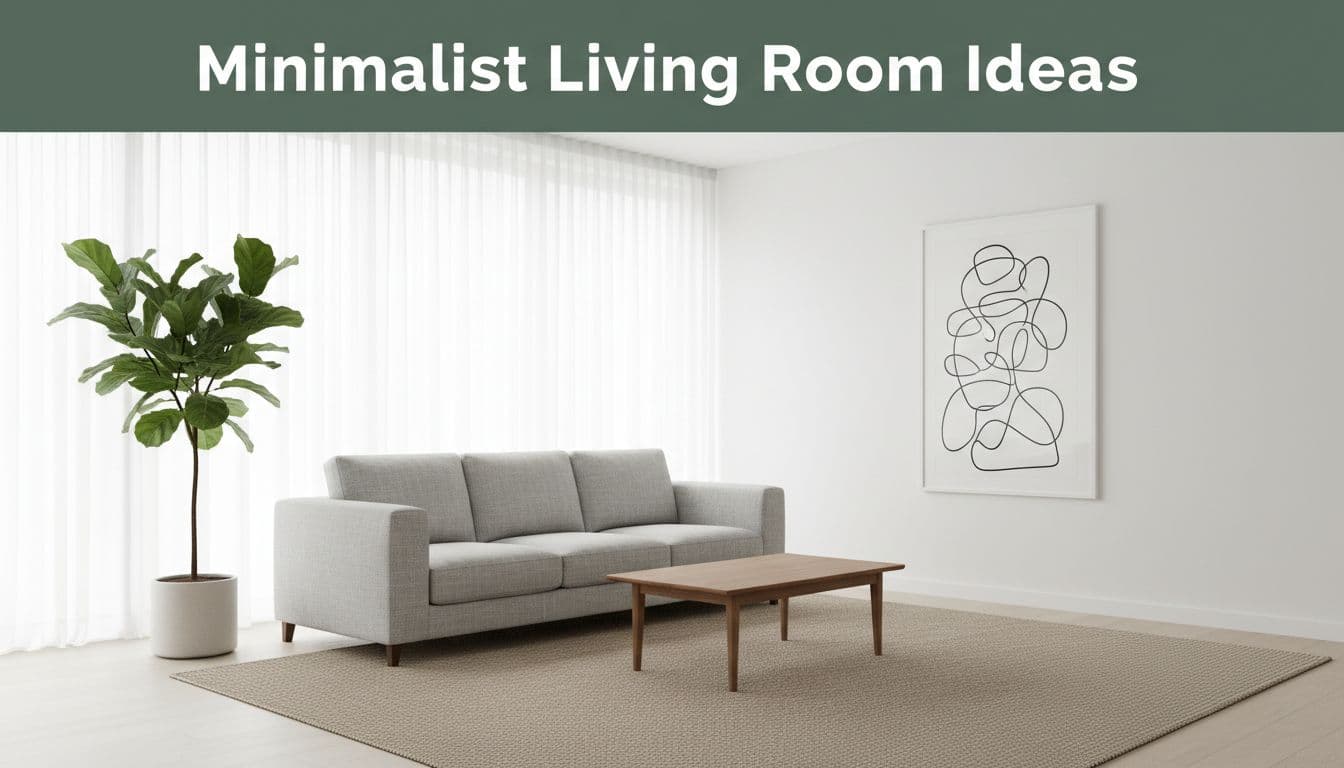 The room should center on one or two focal points, then leave the rest quiet. By emphasizing clean lines and natural materials, you create an inviting atmosphere. That might mean a single large artwork above the sofa, a sculptural light, or a beautiful coffee table with strong shape. When everything tries to speak at once, the room loses the calm that makes minimalist home decor style work.
Hidden storage keeps the room clean without making it sterile. Closed cabinets, baskets tucked under side tables, and ottomans with storage all help remove visual clutter before it spreads.
A soft neutral color palette keeps the whole room grounded. Warm white, oat, sand, mushroom, and pale gray work well because they read calm, not flat. Earth tones, natural wood, and woven texture add enough warmth to stop the space from feeling bare.
A minimal living room usually needs only a few core pieces:
- A sofa with clean lines and the right scale
- One main table, often featuring natural materials, not a cluster of small ones
- One clear focal point, such as art or a lamp
- Closed storage for remotes, blankets, and small objects
- A rug and textiles that add softness without noise
If the room starts to feel empty, the answer is usually texture, not more objects. A nubby throw, a wool rug, or a wood finish with grain can do more than another decorative item.
Minimalist Bedroom Ideas
A minimalist bedroom should feel quiet the moment someone walks in. That means low clutter, gentle lighting, and only a few pieces that matter. The room becomes restful when the eye can move across it without stopping on piles, extras, or busy pattern.
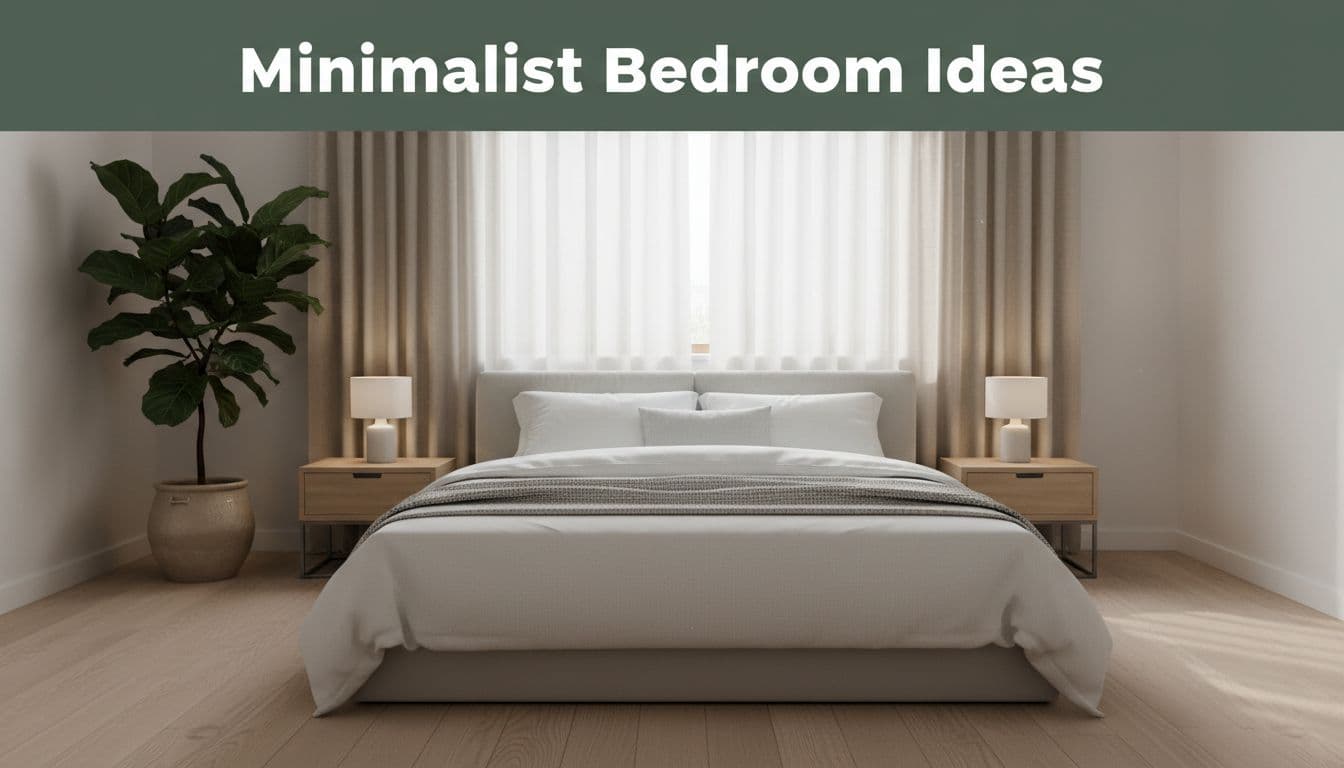 Bedding does most of the visual work in a minimalist interior. Crisp sheets, a simple duvet, and one textured throw create depth without crowding the bed. Excessive pillows or mixed prints can break the calm, so a restrained mix usually looks better.
Lighting should stay soft and layered. A bedside lamp, a dimmable overhead fixture, or a wall sconce gives the room warmth after dark. Harsh light makes even a neat room feel tense, while softer light helps the space feel settled.
Soft textures also matter more in a minimalist bedroom than people expect. Linen curtains, a wool throw, a woven rug, or an upholstered headboard can add comfort while keeping the look simple. The room still feels clean, but it no longer feels severe.
A restful minimalist bedroom usually includes:
- A bed with one clear focal point, often the headboard or bedding
- Matching or closely related nightstands
- Bedside lighting that feels warm, not sharp
- Low clutter on surfaces and floors
- One or two tactile materials that add softness
A few well-chosen pieces go farther than a crowded room full of small accents. That is why the best minimalist bedrooms feel edited, almost like a pause between louder spaces in the home.
How to Transition to Minimalism Without It Feeling Cold
The easiest way to move toward a minimalist interior is to edit in stages. A full reset can feel harsh, but a slower shift keeps the room comfortable and familiar. Start by clearing surfaces, then look at which objects still support the room and which only fill space.
The next step is to replace visual noise with warmth. Texture does that job well. By utilizing a neutral color palette and incorporating earth tones, you ensure the home feels inviting rather than clinical. Linen, wool, oak, stone, and brushed metal add depth without clutter, so the room keeps its calm tone while gaining more life.
Choosing fewer but better pieces also helps. One strong sofa, one good lamp, and one considered piece of art often do more than several weaker items. Quality shows through in proportion, finish, and how well the pieces hold the room together.
A practical transition usually looks like this:
- Remove items that do not get used or noticed.
- Keep the core furniture, then check scale and placement.
- Add warmth with fabric, wood, and layered light.
- Save for one or two pieces with better shape or finish.
- Leave some open space so the room can breathe.
Comfort should stay at the center of the process. A minimal room that feels hard to sit in, too bright to relax in, or too bare to enjoy has gone too far. The strongest minimalist home decor styles make daily life easier, because they clear away excess without taking away the warmth that makes a house feel lived in.
Modern Home Decor Style
Modern home decor style favors clean lines, balanced shapes, and a calm palette, then softens the look with warmer materials so the room feels current and livable. It strips away clutter, but not comfort. While traditional modern design often leans toward the precise, many people now blend in mid-century modern elements to add character and historical charm. In recent contemporary design, cooler gray-heavy rooms are giving way to warmer woods, leather, stone, and richer neutrals, as seen in modern home decor ideas for every room in 2026.
Modern style works best when the room feels edited, not bare. That means fewer shapes, clearer spacing, and pieces that do more than one job. The result is crisp, but it still feels like a real home.
Pro Tip: Modern rooms look strongest when the largest pieces stay simple and the smaller details bring in warmth.
Modern Living Room Ideas
A modern living room is built around clear furniture lines, balanced scale, and simple styling that keeps the room open. Sofas usually have low profiles and straight or softly rounded edges, while chairs and tables repeat that same visual restraint. In an open concept floor plan, this restraint is vital because it allows the eye to travel easily between the kitchen and the seating area. The room feels calm when each piece has breathing room.
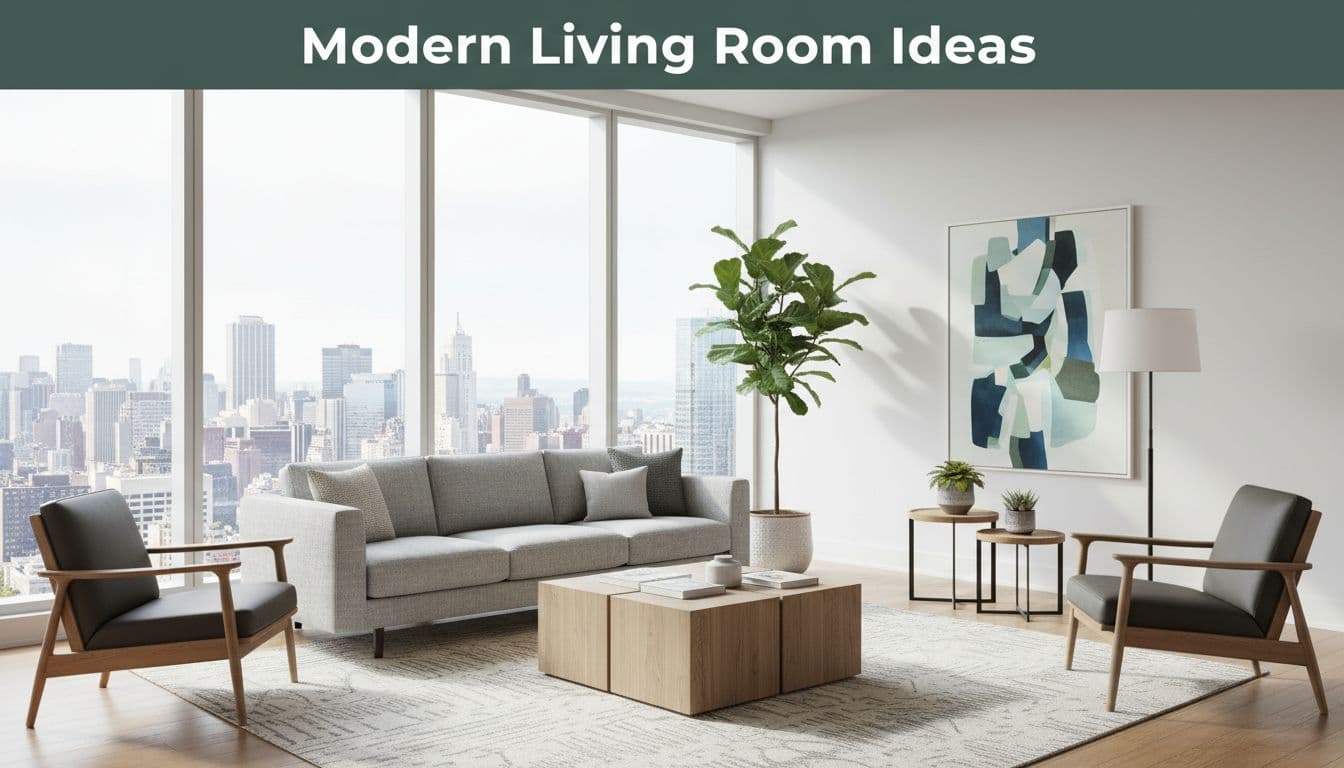 Materials do most of the work here. A wood coffee table, a leather chair, a stone side table, or a matte metal lamp adds texture without crowding the view. Even one or two of those finishes can keep the room from feeling flat.
Simple styling matters as much as the furniture. A modern living room usually looks best with:
- One strong sofa in a neutral fabric
- A table with clean lines and a clear shape, such as round, square, or oval
- Limited accessories, grouped in small, intentional clusters
- Large art or one focal object instead of many small accents
- Mixed textures, such as wool, leather, wood, and stone
Balance is the real trick. If the sofa is heavy, the table should feel lighter. If the room has sharp lines, one curved lamp or rounded chair helps soften the layout without losing the modern feel.
Modern Kitchen Ideas
A modern kitchen depends on flat surfaces, clean lines, and a layout that makes daily tasks feel easy. Cabinet fronts are often smooth, pulls stay slim or hidden, and counters run with little visual interruption. That quiet surface pattern is what gives the kitchen its calm flow.
The best modern kitchens also balance function with style. Storage stays practical, but it disappears visually, so the room reads as orderly instead of busy. A clear work triangle, good task lighting, and a simple backsplash all support that cleaner look while reinforcing the themes of contemporary design.
In a modern kitchen, the details usually matter more than decoration. Consider the core elements first:
- Flat-panel cabinets or other simple door styles
- Minimal hardware in matte black, brushed metal, or a matching finish
- Uncluttered counters with only the items used every day
- A consistent material palette across counters, cabinets, and stools
- Integrated or low-profile storage that keeps the room visually quiet
Color also shapes the mood. Soft white, taupe, warm gray, sand, and deep wood tones keep the space calm. A single accent, such as black fixtures or a stone backsplash, gives the kitchen enough contrast without breaking the flow.
A modern kitchen feels successful when it looks efficient but not cold. That means the room should still invite people to stay, not just pass through.
How to Warm Up a Modern Space
The easiest way to soften a modern room is to add texture, warmer woods, layered light, and a few organic shapes. Modern rooms can feel sparse when every surface is smooth and every line is straight. A warmer approach keeps the clean structure, but gives the room more depth and ease.
Layered lighting is one of the fastest fixes. A ceiling fixture alone can make a room feel hard, while a floor lamp, table lamp, and softer bulb temperature bring the space down to a human scale. The same idea applies to materials, where linen, bouclé, wool, rattan, and unfinished wood all add comfort.
Organic shapes also help a lot. A round mirror, curved chair, ceramic vase, or oval coffee table breaks up the strict lines without weakening the modern look. The room still feels composed, but not severe.
Warmth usually comes from a few careful choices:
- Add wood with visible grain so the room feels less polished.
- Mix smooth and soft textures, such as leather with linen or stone with wool.
- Use layered lighting instead of relying on one bright source.
- Choose rounded forms in at least one or two accessories.
- Leave some open space, because modern style still needs room to breathe.
That softer direction shows up across current modern interiors, especially in rooms that favor tactile finishes and grounded color. The shift keeps modern home decor styles practical, while making them easier to live with every day.
Pro Tip: If a modern room feels too sharp, add warmth through light and texture before adding more decor.
Scandinavian and Nordic Home Decor Style
Scandinavian design is defined by light, function, and a calm sense of restraint. This popular approach to home decor styles highlights the beauty of natural materials, pale woods, and a neutral color palette that keeps a room bright and easy to live in. While Nordic interiors can appear sparse at first glance, the best spaces are softened with layered textures and everyday comfort, creating a welcoming environment that balances minimalism with liveability.
This style sits at the center of modern interior trends because it works perfectly in small apartments, busy family homes, and rooms that need to feel open without looking unfinished. It also connects well to the newer Japandi direction, where Scandinavian clarity meets more grounded warmth. For a broader look at that shift, Scandinavian living room ideas 2026 offers a useful reference point.
Pro Tip: Start with light wood and soft textiles before adding decor. That keeps the room calm and makes every other choice easier.
Scandi Living Room Ideas
A Scandi living room feels relaxed when the furniture features clean lines, the neutral color palette remains consistent, and the styling leaves room to breathe. Light oak, ash, or birch usually sets the tone, especially when paired with white, oatmeal, soft gray, or muted beige. The look should feel lived in, not staged.
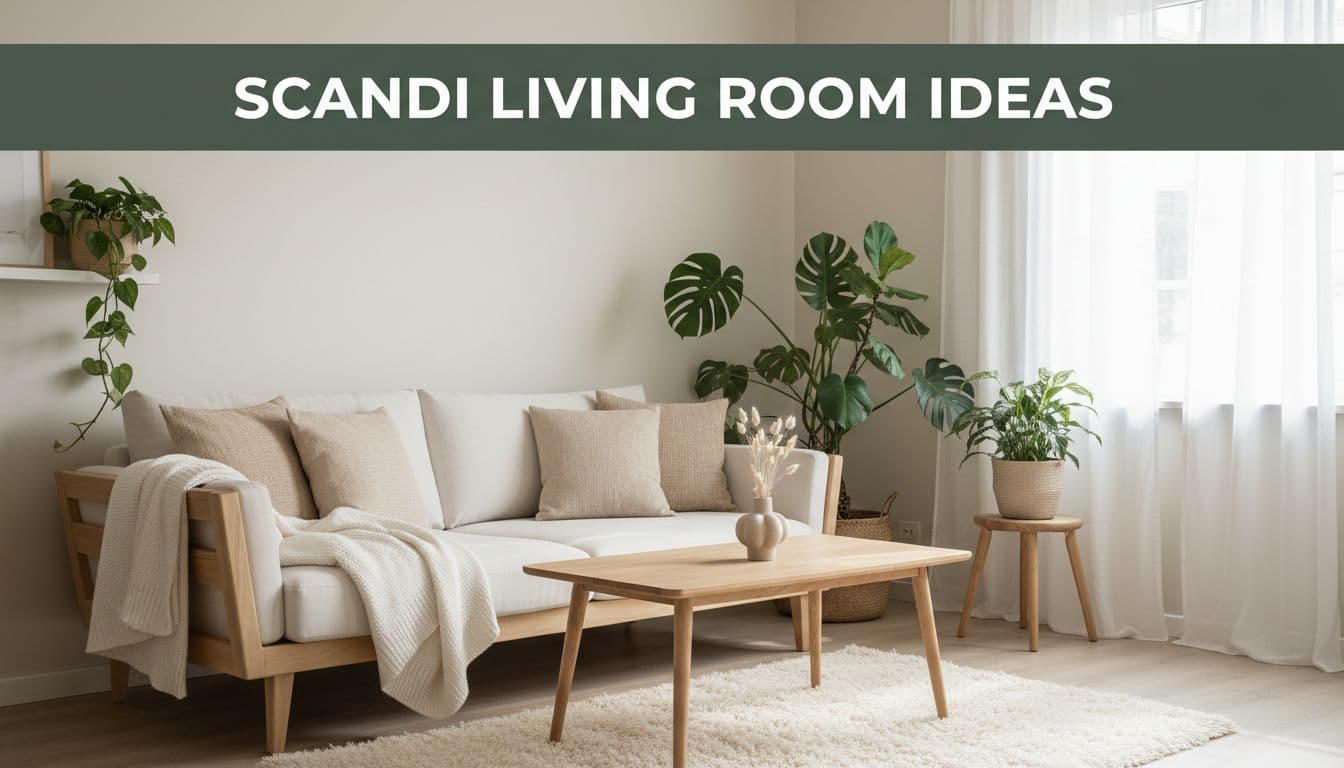 Soft textiles matter as much as the furniture. A wool throw, linen cushions, and a textured rug add warmth without crowding the room, while a low sofa with clean lines keeps the space visually open.
The best Scandi living rooms usually include:
- Light wood furniture with practical shapes
- Soft natural materials like linen, wool, and cotton
- Low visual clutter, especially on coffee tables and shelves
- Gentle lighting, often from floor lamps or table lamps
- A relaxed finish, with a few useful objects left in view
Small imperfections are welcome here. A folded blanket, a ceramic bowl, or a stack of books can make the room feel more human and less polished.
How to Mix Scandi With Warmth
Scandi style becomes richer when it shifts toward layered texture, deeper wood tones, and softer finishes. That is where the Japandi feel often comes in, since it keeps the calm structure of Scandinavian design while adding more depth and weight. The result feels quieter, but also more grounded.
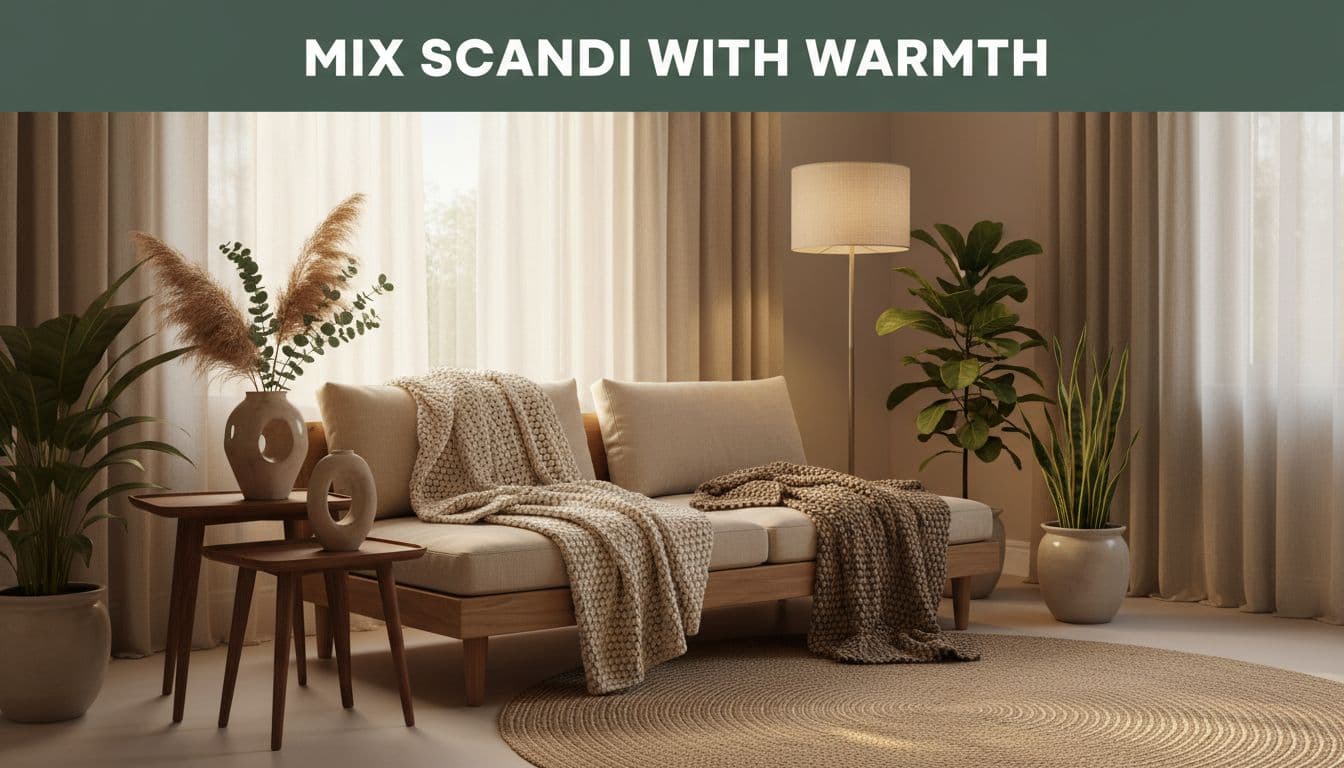 Warmth usually comes from layering rather than filling the room. A boucle pillow, a walnut side table, or a matte ceramic lamp can soften the look without changing its clean base. Linen curtains and an undyed rug also help the room feel less sharp.
A balanced version of this style often uses:
- Richer woods such as walnut or smoked oak.
- More tactile fabrics, including boucle, wool, and brushed cotton.
- Softer finishes, like matte ceramics and unlacquered metal.
- Organic shapes, such as rounded tables or curved chairs.
- A few darker accents to ground the light palette.
The key is restraint. Too many warm accents can turn the room into something heavier than Scandinavian design, while too few can leave it feeling cold. The strongest spaces land in the middle, where calm still leads but comfort has more presence.
Pro Tip: If a Scandi room feels too pale, add depth with wood grain and texture before adding color. That keeps the style intact.
Nordic Style Works Best When It Stays Practical
Nordic home decor style always looks better when beauty and function stay linked. Storage should feel built in, furniture should earn its place, and each object should support daily life. That practical backbone is what keeps the room from drifting into pure display.
This is why Scandinavian and Nordic interiors age well. They avoid heavy trends, favor materials that wear naturally, and leave enough space for the room to change with the seasons. The style feels especially strong in homes that need calm, light, and a sense of order without losing warmth.
Bohemian Home Decor Style
Bohemian style blends relaxed layering, natural texture, and an eclectic mix of furniture into a room that feels lived in, not staged. In today’s home decor styles, bohemian design has shifted toward a more curated look, balancing earthy color palettes with fewer but better objects for a calmer sense of intention. Whether you prefer muted earth tones or occasional splashes of vibrant colors, the result is always softer, warmer, and easier to live with.
Pro Tip: Bohemian style works best when the room feels edited, not crowded. Choose a few pieces with character, then let them breathe.
Boho Living Room Ideas
A boho living room feels relaxed when it layers texture without losing shape or flow. Layered rugs, mixed pillows, plants, and a gallery wall filled with meaningful wall art do most of the work here. The room should feel collected over time, almost like a well-kept travel journal, but every piece still needs a purpose.
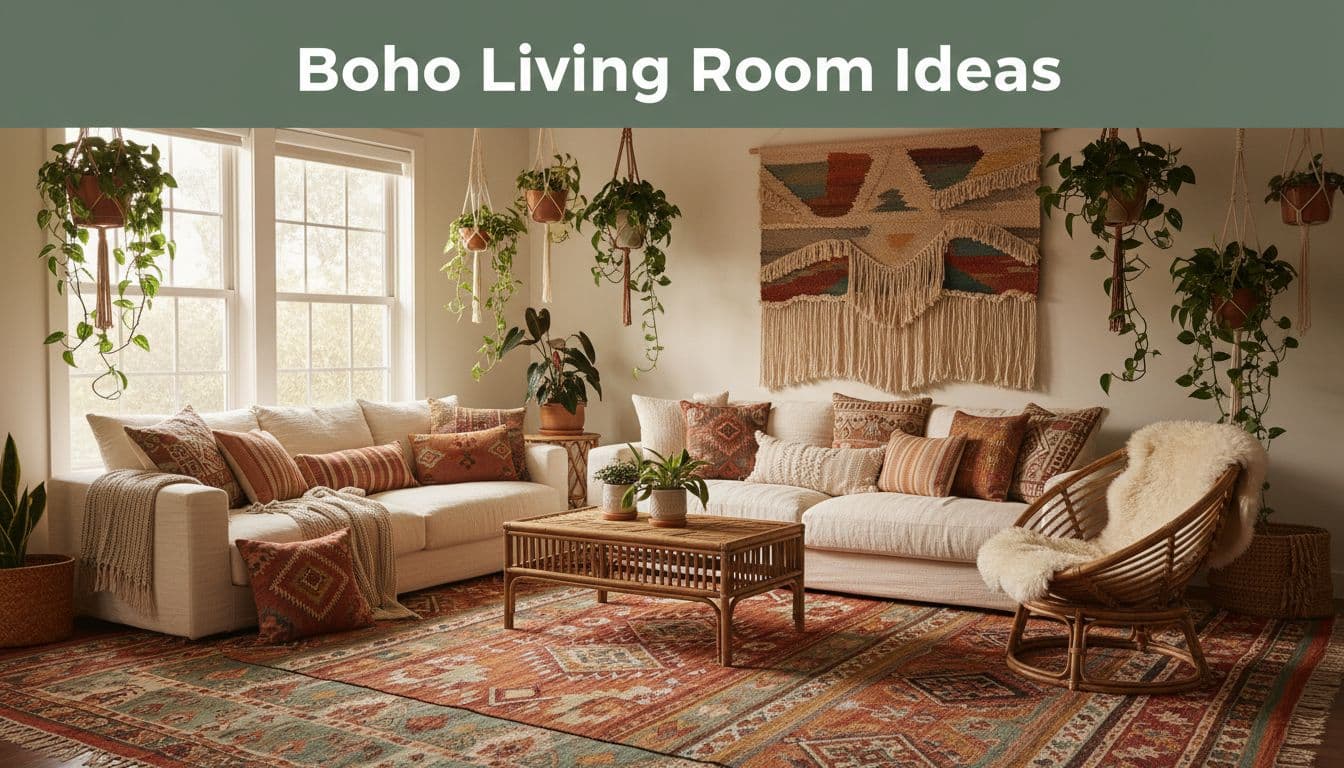 The easiest way to get the look is to start with a calm base, then add warmth in layers. A neutral sofa, a jute or vintage-style rug, and a few patterned cushions create a grounded foundation. From there, plants, ceramic vases, and woven baskets bring in the lived-in character that defines bohemian style.
The strongest boho living rooms usually include:
- Layered rugs that add pattern and soften hard floors.
- Mixed pillows in linen, velvet, embroidery, or global prints.
- Plants in different heights for movement and color.
- A gallery wall with wall art such as abstract prints, handmade pieces, or photography.
- Natural materials, including wood, rattan, cane, and clay.
The room should feel relaxed, but not random. That balance is where the style becomes intentional instead of cluttered. For a current take on this aesthetic, Livingetc’s bohemian living room ideas shows how the look is leaning cleaner and more refined.
Boho Bedroom Ideas
A boho bedroom works best when it feels soft, personal, and easy to rest in. Textiles do the heavy lifting, so bedding, curtains, rugs, and throws should all feel warm and touchable. Using earth tones like terracotta, olive, rust, and cream helps the room feel grounded at night and calm in the morning, while subtle vibrant colors in textile patterns add a playful pop.
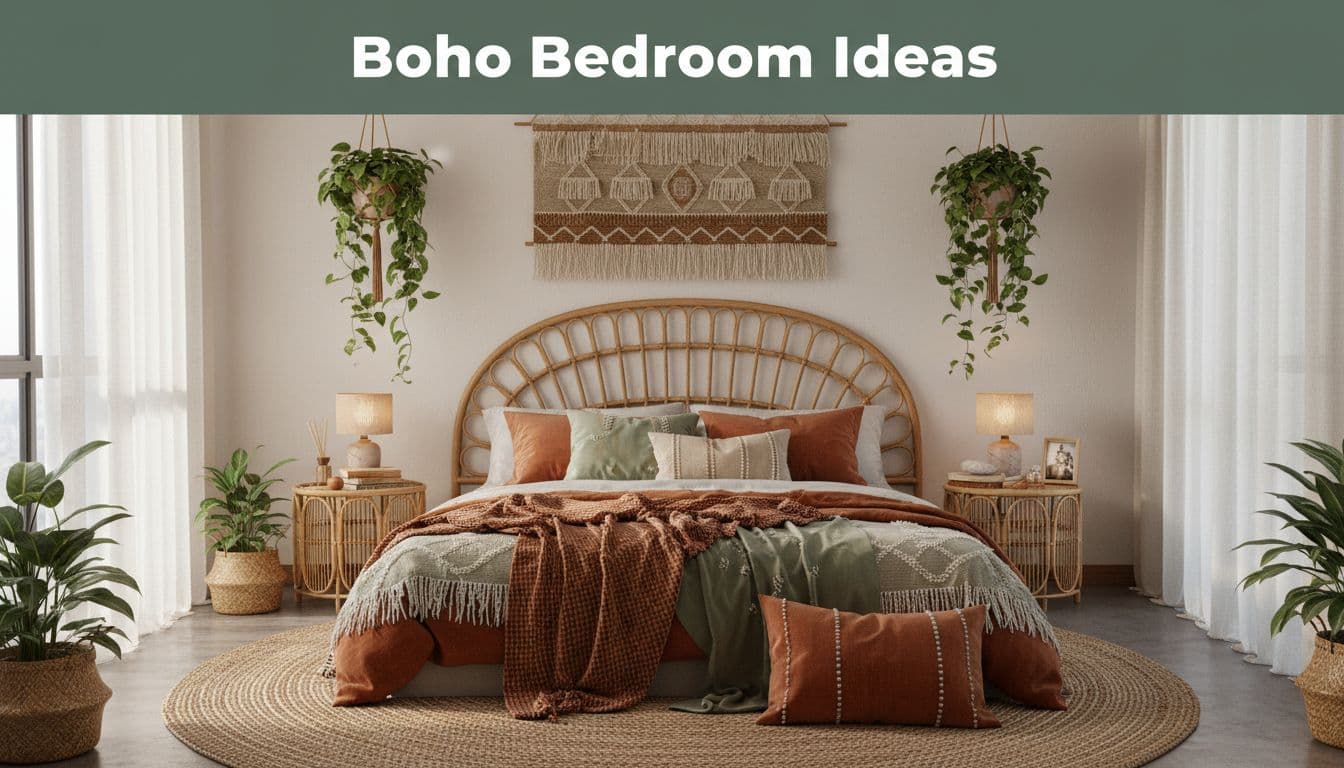 A good boho bedroom keeps the mood gentle. Linen bedding, a woven headboard, and vintage pieces like a carved wooden nightstand or an antique mirror provide character without overwhelming the space. Too many decorative items can pull the room out of its restful tone.
A simple boho bedroom formula looks like this:
- Layered bedding with linen, cotton, or gauze textures.
- A foundational palette of earth tones on walls or textiles.
- Vintage pieces that carry a sense of history and meaning.
- Natural finishes like wood, cane, or handmade pottery.
- A soft rug that makes the room feel quiet underfoot.
The newer boho bedroom often borrows from Japandi and slow-living design, so the look feels calmer than older, busier versions. For a helpful reference, this cozy boho bedroom guide shows how texture and restraint can work together without losing the character of bohemian style.
The best bohemian bedrooms feel collected, not decorated all at once. That sense of ease is what keeps the style from feeling staged, and it is also why bohemian style remains one of the most adaptable home aesthetic choices today.
Traditional Home Decor Style
Traditional decorating is built on balance, symmetry, and classic details that age well. It favors familiar forms, such as rolled arms, upholstered headboards, and wood furniture, then ties everything together with calm proportions and a polished finish. The look has strong roots, but it still feels current when the room stays edited and warm.
Traditional rooms are getting more attention again because they offer comfort without chaos. For a quick look at why the style is back, The Spruce’s take on traditional home decor shows how antique touches, soft layers, and classic silhouettes are being used in fresher ways.
Pro Tip: Traditional style looks best when the room is balanced first and decorated second. If the scale is right, the rest falls into place more easily.
Classic Living Room Ideas
A classic living room feels composed when the furniture is arranged with purpose and the details repeat in a steady rhythm. A successful traditional space relies on a symmetrical layout, such as a sofa centered on the main wall, matching chairs, and a clear focal point like a fireplace or large artwork to give the room a calm, formal structure. This approach highlights the inherent architectural details of the home, creating order without making the room feel stiff.
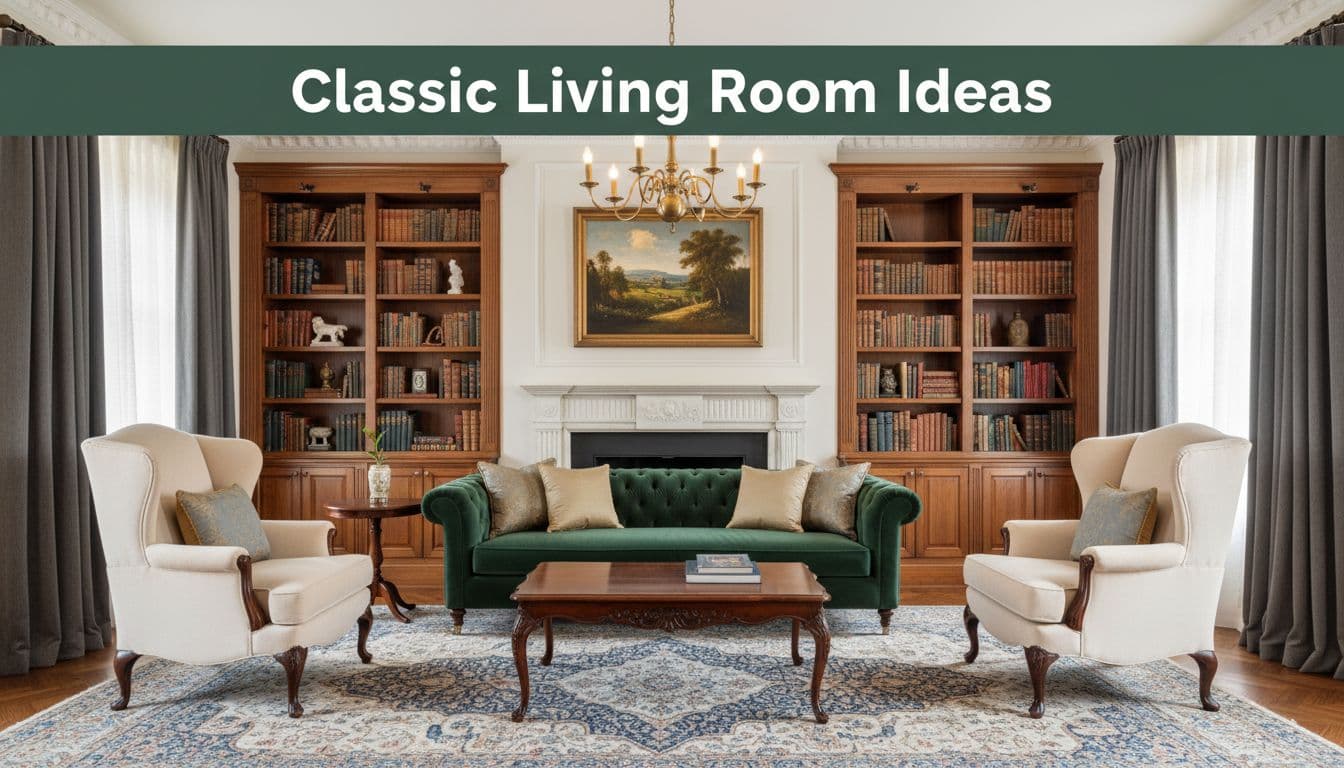 Textiles soften that structure. Velvet pillows, linen drapes, a patterned rug, and a throw with a little weight make the space feel layered and lived in. In traditional home decor styles, the mix of texture matters as much as the furniture shape. To add character, incorporate unique antique furniture that tells a story and grounds the space.
A few details keep the room timeless:
- Use a symmetrical layout or balanced placement so the eye lands evenly across the room.
- Choose furniture with graceful lines, such as rolled arms, skirted pieces, or carved legs.
- Layer textiles with restraint, using patterns that feel quiet rather than busy.
- Repeat warm materials like wood, brass, and upholstered fabric.
- Keep proportions generous, because undersized pieces can weaken the whole room.
For a more current take on the look, how to style a traditional living room shows how classic rooms now lean softer and less formal. The takeaway is simple: a traditional living room works best when it feels steady, not crowded.
Traditional Bedroom Ideas
A traditional bedroom feels restful when symmetry, softness, and familiar details work together. The bed usually anchors the room, with matching nightstands, paired lamps, and an upholstered headboard that gives the space a settled look. That arrangement creates a quiet frame, which is exactly what makes the style feel comfortable.
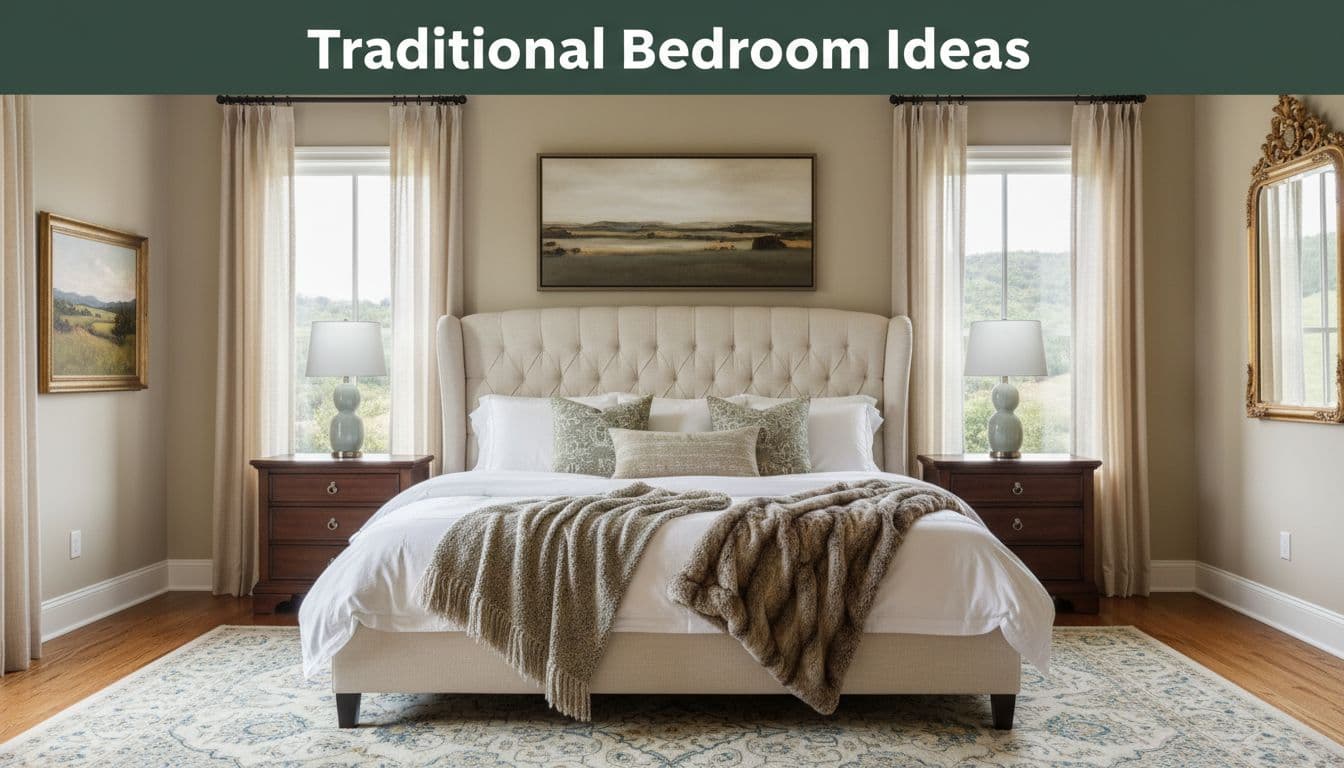 Layered bedding gives the room its softness. Crisp sheets, a quilt, a folded throw, and a few pillows in matching tones create depth without visual noise. The room should feel dressed, but not overdone.
The most effective traditional bedrooms usually include:
- A centered bed that gives the room clear balance.
- Upholstered pieces that soften the overall look.
- Layered bedding in calm, complementary fabrics.
- Warm wood finishes and select antique furniture that bring depth and age.
- Small composed details, such as framed art, ceramic lamps, or a mirror.
Flooring and textiles matter here too. A soft rug underfoot, lined curtains, and gentle lighting can make the bedroom feel more finished and more private. The goal is a room that feels composed at a glance, then more comfortable the longer it is used.
The renewed interest in traditional spaces also shows up in the bedroom, where layered fabrics and warmer finishes are replacing hard, sparse rooms. Traditional home design trends point to this shift toward softer surfaces and more tactile comfort, which fits the style well.
Traditional bedrooms work because they feel familiar. The room does not need drama to feel complete, only enough symmetry and texture to make rest feel easy.
Small Space Decorating Style
Small space decorating style is less about shrinking a look and more about editing it with care. The best rooms use proportion, storage, and light as design tools, so every piece feels useful and the space still breathes. In other words, small rooms succeed when they look intentional, not crowded.
This approach works across many home decor styles, from modern to traditional. The same room can feel larger, calmer, and more polished when the furniture scale is right, the colors stay connected, and the walls are used with purpose. Recent small-room trends also point in that direction, especially with mirrors, warm minimalism, and multifunctional furniture in the mix, as seen in 75 small living room ideas.
Pro Tip: In a small room, subtract first. Space often looks better after one piece is removed, not after one more is added.
Small Living Room Ideas
A small living room works best when the furniture fits the room instead of fighting it. Slim sofas, open-leg chairs, and low-profile tables keep the floor visible, which helps the room feel less boxed in. A compact layout also gives the eye a clear path, and that visual flow matters more than people expect.
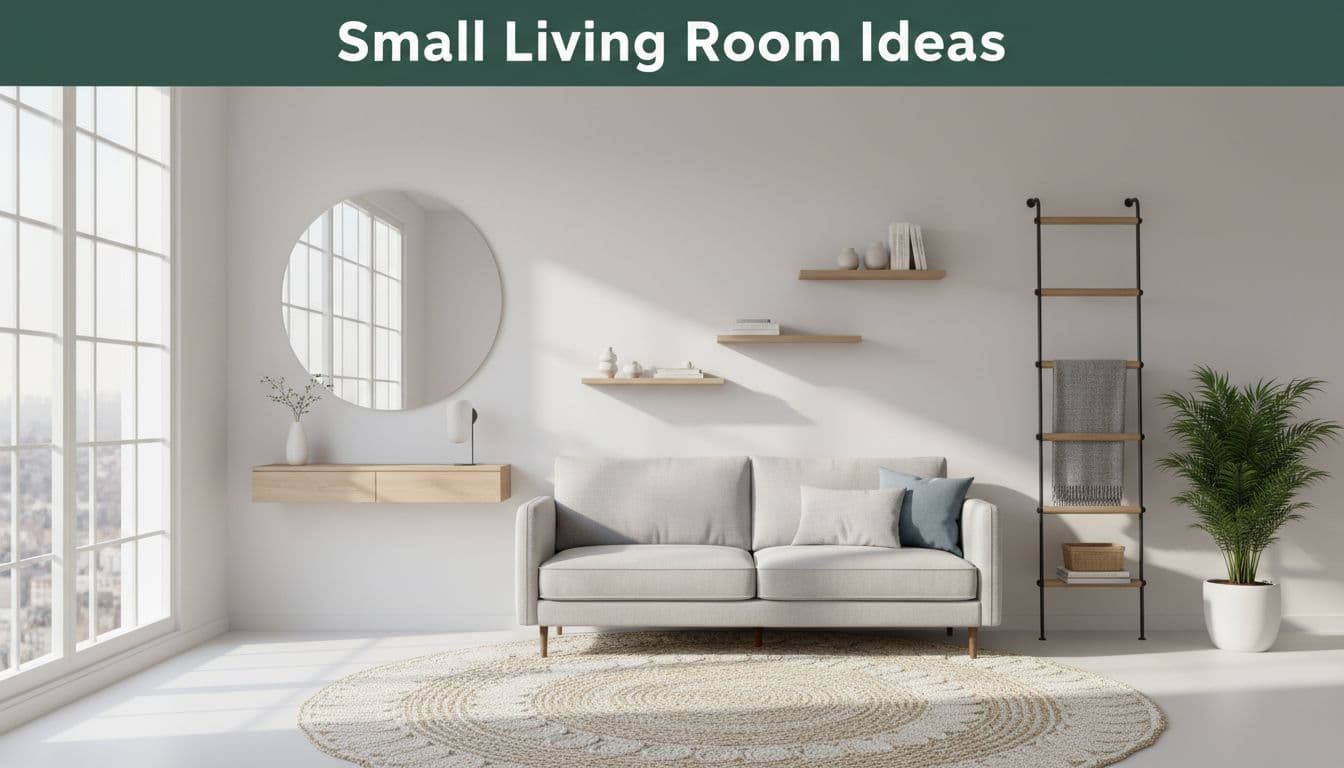 Storage should work hard but stay quiet. Floating consoles, wall-mounted shelves, and baskets that tuck under tables keep clutter out of sight while preserving the room’s shape. To add personality without consuming valuable floor space, consider installing a gallery wall or choosing standout wall art that draws the eye upward.
A few layout habits make the biggest difference:
- Choose furniture with exposed legs, because it lets light move through the room.
- Keep the main walkway open, so the room feels easy to cross.
- Use one larger rug, since tiny rugs can chop up the space.
- Hang art or mirrors higher, which gives the walls more visual height.
- Repeat a small color palette, so the room feels connected, not pieced together.
Mirrors deserve special attention here. A well-placed mirror near a window or across from a light source can double the sense of depth. That simple move does more for small room decorating than many expensive upgrades.
Small Bedroom Ideas
A small bedroom feels best when it looks calm before it looks styled. Lighter bedding, compact furniture, and closed storage keep the room restful, which matters in a space that needs to do very little besides help someone sleep. The mood should be soft and settled, not busy or overworked.
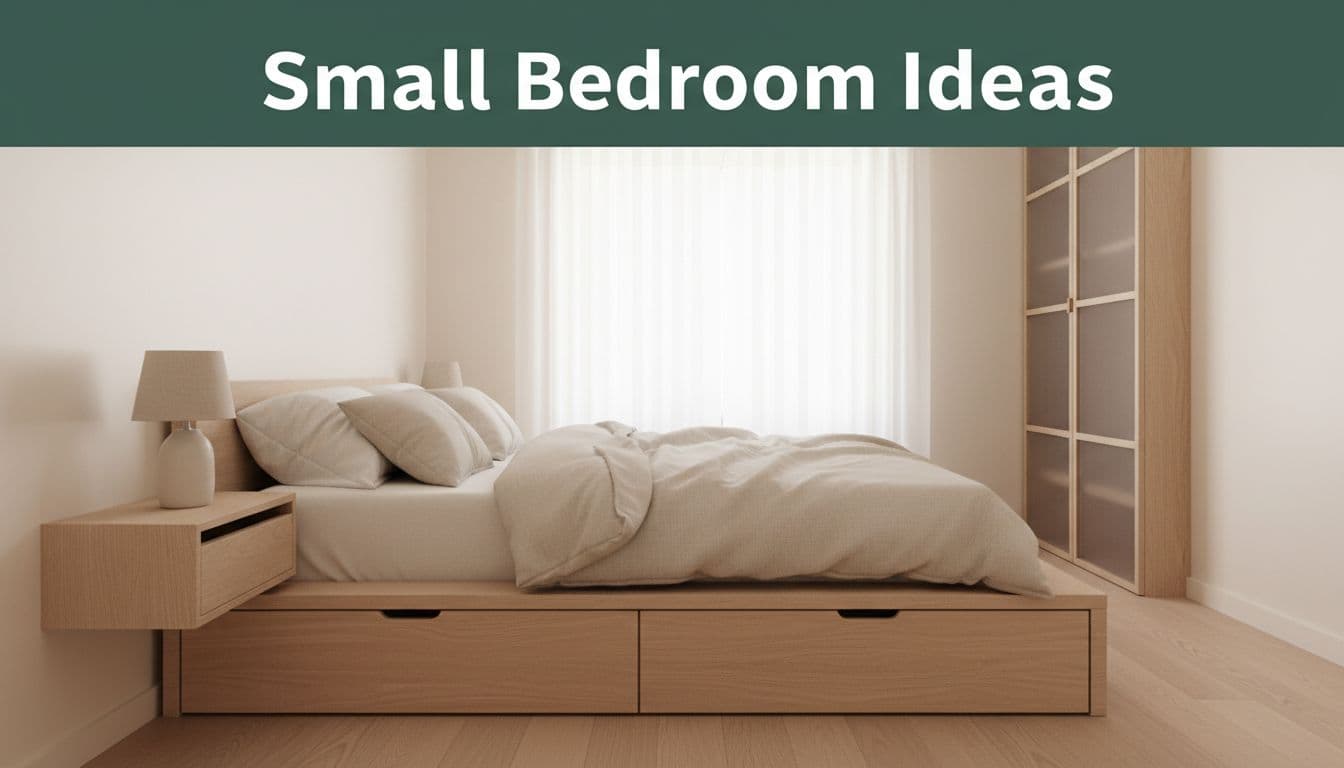 Underbed drawers, wall-mounted nightstands, and slim wardrobes keep the footprint small without sacrificing function. In rentals, the same effect can come from storage bins, a bed frame with clearance, or a narrow dresser that replaces bulkier case goods. The goal is to keep the room clean at eye level and practical below it.
Visual calm matters just as much as storage. Bedding in white, cream, mist, or muted beige gives the room a lighter feel, while one or two textures, such as linen or quilted cotton, add depth without noise. Heavy pattern can work, but only in small doses.
For a bedroom that feels more open, the strongest choices are usually these:
- Keep bedside furniture narrow so movement feels easy.
- Use matching lamps or sconces to reduce visual clutter.
- Choose one main fabric family for bedding and curtains.
- Skip oversized headboards if the wall is short.
- Leave some wall space bare, because a full room can feel smaller fast.
The room reads larger when the bed feels anchored and everything around it stays simple. That balance gives small bedroom ideas their staying power, especially for renters who need style choices that can change later.
Studio Apartment Ideas
A studio apartment works when each zone has a clear job, even without walls. Rugs, lighting, open shelving, and furniture placement create those boundaries, so the space does not feel like one undefined box. If you have exposed brick or pipes, adopting an industrial style can embrace those architectural features while making the studio feel intentional.
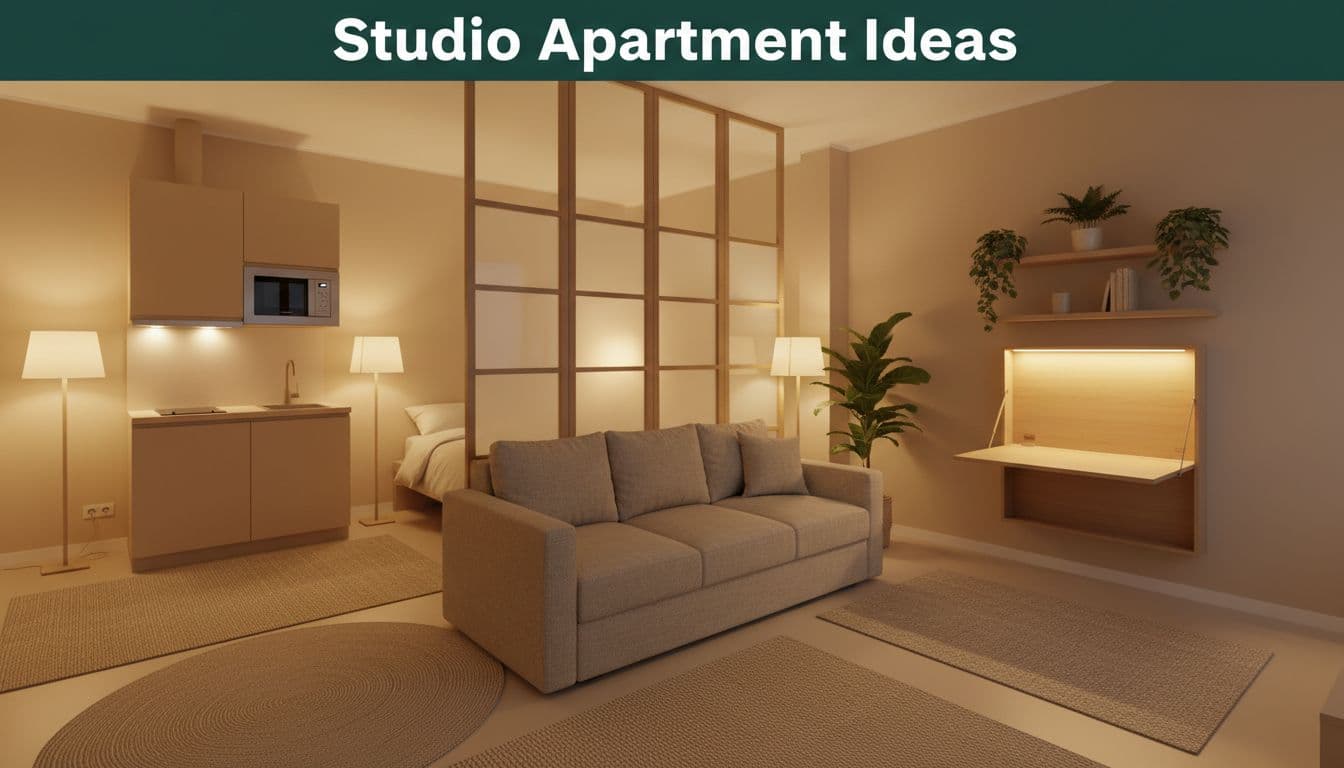 Flexible furniture does the heavy lifting in a studio. A sofa bed, folding desk, nesting tables, or a storage ottoman can shift roles as the day changes. You might also incorporate transitional style elements to bridge different functional zones, as this helps blend modern and traditional pieces into a cohesive look that prevents the space from feeling overloaded.
Color continuity keeps the whole layout from breaking apart. When the same neutral base, wood tone, or metal finish repeats from one zone to the next, the studio feels longer and more connected. Recent studio layout advice also emphasizes double-duty pieces and vertical storage, as shown in clever studio apartment layout ideas.
A studio feels more composed when it follows a simple order:
- Place the bed or sofa in a way that defines the first zone.
- Use rugs to separate living and sleep areas.
- Keep the color palette tight, so the room feels unified.
- Choose furniture that folds, stacks, or stores, since every piece needs a reason to stay.
- Add lighting in layers, because one overhead fixture flattens the whole space.
Simple color continuity is especially useful in small apartments. It lets the eye move across the room without stopping at every transition, which makes the layout feel smoother and more considered. That kind of restraint is what gives small space decorating style its quiet confidence.
How to Mix Two Decor Styles Without Making a Room Feel Cluttered
The cleanest rooms featuring an eclectic mix start with one dominant style, then add a second style in measured doses. That balance matters because clutter usually comes from too many competing themes rather than the act of mixing itself. When two interior design styles share a room, the goal is to create contrast with order, so the space feels layered instead of busy.
 A good starting point is scale. One style should guide the larger pieces, while the second style appears in smaller accents, finishes, or textures. That simple hierarchy keeps the room from feeling like a showroom with too many ideas at once.
Start with one clear base style
The strongest mixed rooms always have a clear anchor. For instance, you might place a sturdy modern farmhouse table in your dining area and complement it with sleek industrial style lighting to create a grounded, intentional look. The base style gives the eye a place to rest, which keeps the room from feeling scattered.
A practical way to choose the base is to look at what already takes up the most visual space. In most rooms, that means the sofa, bed, rug, or dining table. If those pieces belong to one style family, the rest can echo it and still leave room for contrast. You could pair classic mid-century modern chairs with rustic decor accents like woven baskets or raw wood shelves. The mix works because the main structure stays steady while the smaller items add personality.
Pro Tip: Pick one style for about 70 percent of the room, then let the other style handle the remaining 30 percent.
For a useful rule set on mixing styles without visual noise, this guide to mixing furniture styles explains why balance matters more than matching.
Repeat a few details so the room feels intentional
Consistency is what keeps a mixed room from looking accidental. Repeating color, material, or shape helps two different styles speak the same language. Without that repetition, the room starts to feel like a collection of unrelated finds.
A room does not need many repeated elements. Usually, two or three are enough. A walnut side table can echo a wood frame, while a linen pillow can connect a soft chair to a natural rug.
The easiest details to repeat are simple ones:
- Color: keep the palette tight, such as cream, camel, oak, and black.
- Material: repeat wood, brass, linen, stone, or cane in small ways.
- Shape: echo curves with curves, or straight lines with straight lines.
- Finish: mix matte with matte, or keep shine limited to one or two pieces.
This is where many mixed interiors go wrong. They use too many finishes, so the room starts to chatter. A better approach is to let one or two details return across the space, almost like a quiet refrain.
Leave negative space and edit hard
A room feels cluttered when every surface tries to do too much. Empty space is not wasted space, it is what gives mixed styles room to breathe. The open area around furniture, walls, and tabletops makes each piece look more deliberate.
That is why editing matters as much as selection. A vintage lamp, a modern chair, and a textured rug can work together well, but only if the rest of the room stays calm. Too many accessories, side tables, and small objects can erase the contrast that made the mix appealing in the first place.
The easiest way to keep the room clean is to stop after the key pieces are in place. Then step back and ask which items actually add balance. If an object does not support the color story, shape story, or scale of the room, it probably does not need to stay.
A mixed room should feel collected, not crowded. When one style leads and the other follows, the result looks considered, which is exactly what keeps decor looking fresh instead of fussy.
Home Decor Styles by Room: A Quick Reference
Some home decor styles work better in certain rooms because each space has a different job, a different amount of light, and a different pace of daily use. A quick room-by-room guide keeps the look intentional, especially when one home mixes modern, traditional, and softer organic pieces. In 2026, the strongest rooms feel warmer and more personal, which fits the broader shift seen in room-by-room interior trends.
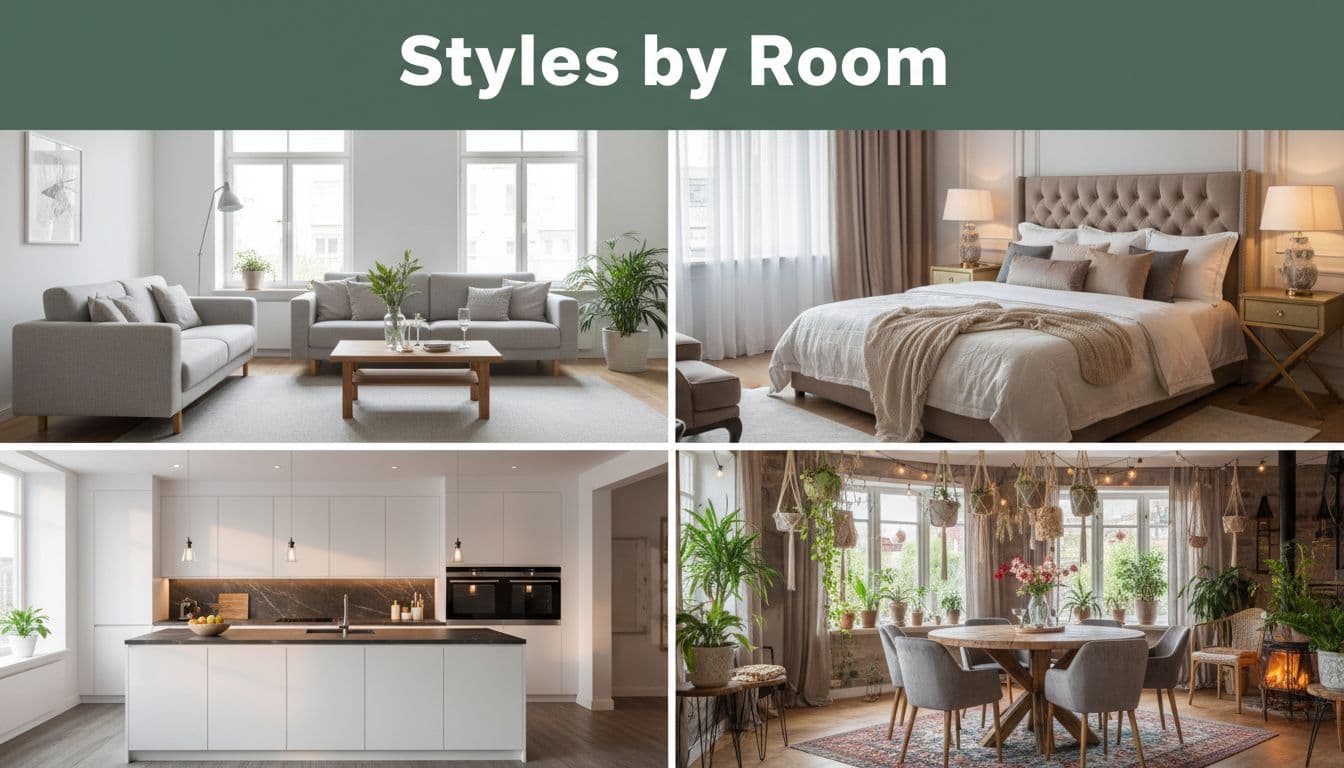 ### Quick Style Map by Room
This table provides a fast way to match a style to the room that suits it best. It is a practical shortcut when the goal is balance rather than a perfect theme. Many of these aesthetics rely on a neutral color palette and the use of natural materials to create a cohesive foundation.
| Style | Key Words | Best Rooms | Avoid If |
|---|---|---|---|
| Modern | clean lines, functional, contrast | Kitchens, offices, living rooms | The room feels too cold |
| Minimalist | calm, open, edited, quiet | Small bedrooms, bathrooms | You need lots of storage on display |
| Scandinavian | light wood, soft texture, bright | Living rooms, nurseries | The room lacks natural light |
| Bohemian | layered, collected, earthy, relaxed | Living areas, bedrooms | You dislike heavy patterns |
| Traditional | balanced, classic, tailored, warm | Dining rooms, formal living rooms | You prefer casual living |
| Luxury | polished, textured, elevated | Primary bedrooms, entryways | Budget is strictly limited |
| Modern Farmhouse | rustic, cozy, neutral materials | Kitchens, living rooms | You prefer high-gloss glamour |
| Coastal | airy, light, linen, oceanside | Sunrooms, guest bedrooms | You live in a deep forest setting |
| Shabby Chic | distressed, vintage, floral, soft | Bedrooms, reading nooks | You prefer very modern lines |
| Mediterranean | terracotta, warm, organic, archway | Dining rooms, patios, kitchens | The space is very small or dark |
The main takeaway is simple. Rooms with heavy daily use often work best with modern, Scandinavian, or softened minimalist details. Rooms meant for gathering, like dining rooms and living rooms, can handle more pattern, mood, and contrast.
How to Match Style to the Room
The room itself should lead the decision, because function usually tells the truth faster than trend pages do. Bedrooms need softness and restraint. Kitchens need clarity and easy-clean surfaces. Living rooms can carry more texture, while dining rooms often feel best with a stronger focal point.
A few room-by-room rules help narrow the choice:
- Living room: Choose a style that supports conversation, layering, and a clear focal point.
- Bedroom: Choose a style that feels quieter, softer, and more restful at night.
- Kitchen: Choose a style with clean lines and finishes that can handle daily wear.
- Dining room: Choose a style that can hold a statement table, lighting, or wall treatment.
- Small spaces: Choose styles with lighter palettes and fewer visual breaks.
Pro Tip: If a room does two jobs, choose the style that keeps it calmer instead of busier.
The Fastest Way to Avoid a Mismatch
A mismatch usually happens when the style fights the room’s scale or light. A dark, ornate look can overpower a small room with weak daylight. A very spare look can feel thin in a large room that needs weight.
The safer approach is to match the room’s natural strengths. Let small rooms stay light and edited, let large rooms hold richer shapes, and let high-use spaces stay practical first. That keeps home decor styles working with the room instead of against it.
Frequently Asked Questions About Home Decor Styles
Most questions about home decor styles come down to the same three things: what feels natural, what fits the room, and what can actually live well in daily use. The answers below clear up the most common points of confusion for anyone comparing interior design styles for the first time.
 ### What is the easiest way to find a decorating style?
The fastest path is to look for repeated patterns in rooms, saved photos, and favorite objects. Certain colors, shapes, and materials usually show up again and again, which is often more revealing than any quiz.
A mood board helps, but only if it stays honest. If warm woods, soft neutrals, and simple lines keep appearing, the style is likely calm and edited. If layered pattern, vintage pieces, and earthy texture show up more often, the direction is looser and more collected.
A useful shortcut is to match style to lifestyle, not just taste. Homes that need easy maintenance often lean modern, Scandinavian, or minimalist. Homes that value comfort and personality often lean boho, traditional, or a softened mix of styles.
For a broader overview of popular looks, this guide to interior design styles gives a clear breakdown of the major categories.
Which home decor styles are most popular right now?
The most common looks right now include warm minimalism, bohemian, and traditional with updated details. Many homeowners are also gravitating toward mid-century modern furniture for its functional simplicity or transitional style for its ability to balance old and new aesthetics. Because many homes borrow from each aesthetic, these mixed interiors feel particularly current.
In 2026, the strongest rooms tend to feel more personal and less staged. That means fewer matching sets, more natural materials, and a stronger focus on texture. Curves, earthy color, and worn-in character are showing up more often than stark white rooms and ultra-sleek finishes.
The key shift is simple. People want homes that feel calm, but still lived in. That is why current home decor styles often blend clean shapes with softer layers, rather than following one strict look.
Can two interior design styles work in one room?
Yes, as long as one style leads and the other supports it. A room feels confused when every piece speaks in a different voice, but it feels rich when one style sets the structure and another adds contrast.
The easiest pairings usually share one thing in common, such as color, material, or shape. Modern and traditional can work together through balance. Boho and Scandinavian can work together through light woods and texture. Luxury and minimalist can work together through strong scale and restraint.
A simple way to keep the mix clean is to repeat a few elements across the room:
- One color family keeps the room connected.
- One dominant material gives the space a steady base.
- One repeat shape prevents the mix from feeling random.
- Negative space keeps the room from feeling crowded.
For a deeper comparison of decorating families, Houzz’s guide to popular decorating styles is a useful reference.
What home decor styles work best in small spaces?
Styles with lighter palettes, cleaner lines, and fewer visual breaks usually work best in small rooms. Minimalist, Scandinavian, and modern spaces tend to open up a floor plan because they keep the eye moving.
That does not mean small rooms must feel plain. Texture, warm wood, and one or two focal pieces can add depth without making the room feel tight. The trick is to edit harder, not decorate more.
Small spaces also benefit from styles that use storage well. Closed cabinets, slim furniture, wall-mounted lighting, and mirrors all help a room feel less crowded. A small room can still feel layered, as long as each choice earns its place.
Which decor style feels the most timeless?
Traditional style remains one of the most enduring options because it relies on balance, symmetry, and familiar forms. It does not chase trends, so it ages more gracefully than looks built around one season.
That said, timeless rooms are not always traditional. Modern rooms with simple lines, warm materials, and good proportions also hold up well. Scandinavian spaces age nicely for the same reason, since they rely on function, light, and restraint.
The most lasting rooms usually share the same habits:
- They use quality shapes instead of novelty.
- They rely on calm color rather than loud contrast.
- They mix texture with care.
- They leave room for the space to breathe.
That is why the best interior style guide rarely points to one perfect answer. It points to a set of choices that stay usable, attractive, and easy to live with long after trends move on.
Conclusion
The clearest lesson is simple, as a room works best when its style fits your real life. Understanding interior design styles is helpful because they provide your home with direction, but the right choice is always one that feels calm, functional, and easy to maintain day after day.
That is why the most successful spaces are rarely copied exactly from a catalog. They are edited to suit the way a room is used, the natural light it receives, and the pieces that already belong there. A personal style lasts longer than a passing trend because it feels lived in rather than borrowed. When you finally land on a look that balances aesthetics with your daily needs, your home makeover will feel both refreshed and deeply authentic.
For more room-by-room ideas and a closer look at the Free Decor Guide at housedecoreideas.com, browse by style and see which direction feels most natural. The best interior design style is ultimately the one that makes your home feel exactly like itself.
Related reading
- Home Decor Ideas for Every Room: A Complete Guide
- Home Decor Trends 2026: 15 Looks to Try Right Now
- 17 Neutral Home Decor Ideas for a Timeless, Easy Style
- Rustic Farmhouse Kitchen Decor Ideas
- 21 Neutral Living Room Ideas for Timeless Style
- 17 Aesthetic Living Room Ideas for Chic Home Decor
- 18 DIY Home Decor Ideas That Look Expensive
- Affordable Budget Home Decor Ideas for a Modern Home Refresh
- 12 Luxury Master Bedroom Ideas You’ll Want in 2026