
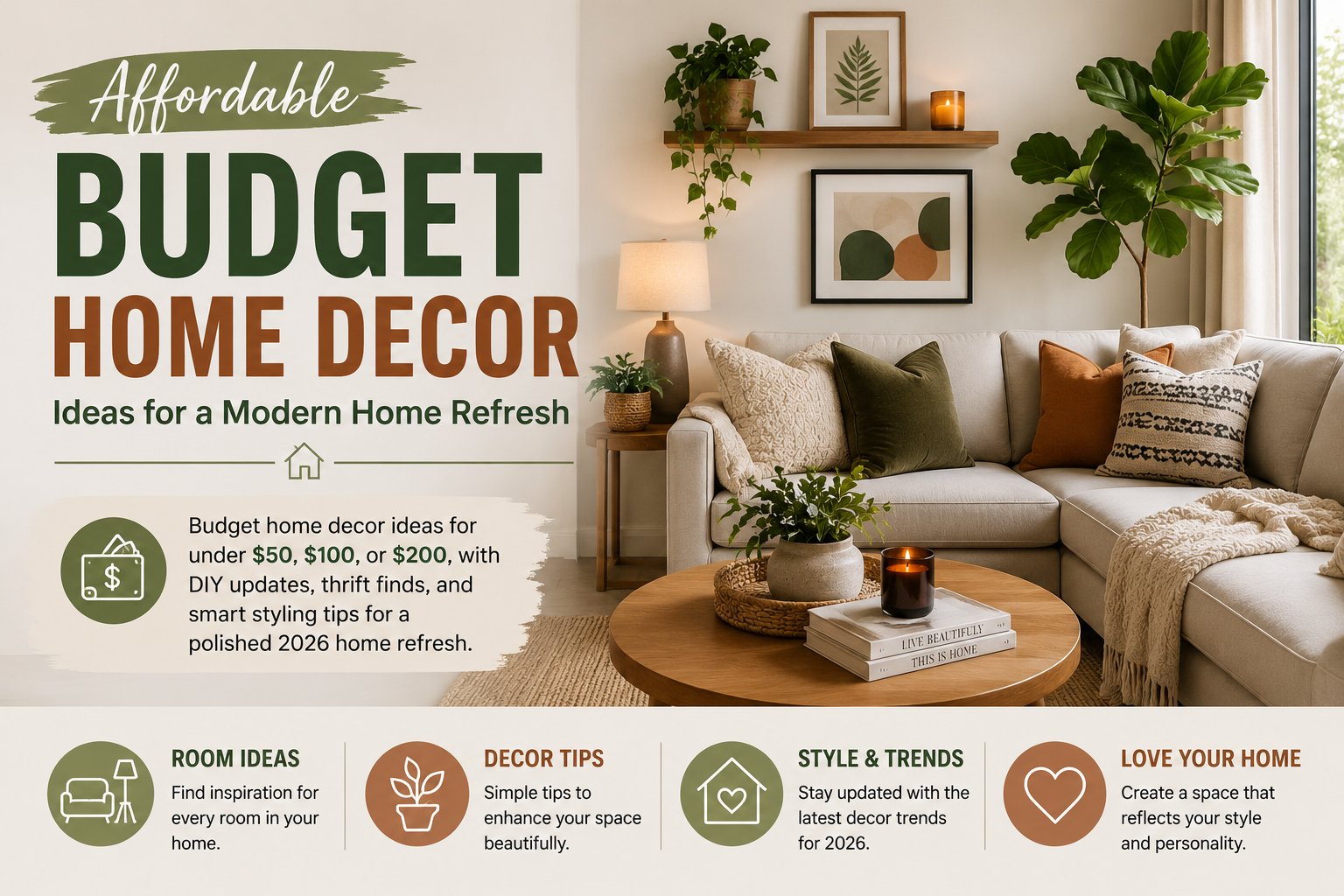
Affordable Budget Home Decor Ideas for a Modern Home Refresh
Updating your space doesn’t have to be expensive, and finding the right budget-friendly home decor can completely transform your environment. This strategic approach to styling focuses on high impact DIY projects and clever shopping habits rather than pricey designer goods. By using practical budget home decor ideas like thrifting, furniture upcycling, and careful accessory placement, you can create a curated look that feels polished and intentional. Whether you are focusing on updates under $50, $100, or $200, small changes such as adding new lighting, a fresh coat of paint, or incorporating neutral living room design concepts allow you to achieve a beautiful, cohesive home refresh without breaking the bank.
Key Takeaways
Successful interior refreshes depend more on technical precision and resourcefulness than on significant financial outlays. Effective budget home decor ideas prioritize intentionality, selecting high impact changes that transform the perception of a room without necessitating a full renovation. Data indicates that homeowners often waste nearly 30% of their DIY funds on planning errors, such as incorrect scaling or mismatched color palettes. Avoiding these pitfalls requires a structured approach to selection and placement.
The foundation of a low cost refresh lies in the strategic distribution of funds across various room elements. Following an established framework ensures that the most prominent items receive the highest quality investment while decorative accents remain affordable. Utilizing the comprehensive budget home decor ideas provides a clear roadmap for this capital allocation. You should allocate 60% of the room budget to anchor pieces like sofas or bed frames to ensure longevity, assign 25% of funds to secondary furniture, such as side tables and rugs, and reserve the final 15% for decorative accents like plants, art, and lighting to add personal character.
Creating a sophisticated environment on a budget requires manipulating light and space. Small adjustments in furniture placement can immediately alter the perceived value of a room. For example, moving a sofa 12 to 18 inches away from the wall to float it creates a more professional appearance. Lighting also serves as a primary tool for mood setting; replacing cool bulbs with warm white LEDs instantly makes a space feel more inviting. Strategic painting remains the most cost-effective method for architectural change. A single gallon of paint can create a monochromatic depth that mimics high end designer looks for under $50 USD. Using tonal shifts and neutral colors allows a room to feel cohesive and expensive despite a minimal investment.
Inventory management within the home often reveals untapped potential for a refresh. Shopping your own house provides a new perspective on existing assets without any spending, a practice that coincides with a growing trend toward found objects and vintage pieces that provide historical depth. Consider these diy transformations to elevate your space:
- Thrift first: Prioritize high quality secondhand wood furniture over brand-new synthetic alternatives, and look for thrift store makeovers to refresh tired finishes.
- Textile updates: Use pillow covers rather than buying new inserts to save money and storage space.
- Hardware swaps: Replace standard cabinetry knobs with unique metal or leather options to customize mass-produced items.
- Natural additions: Propagate existing plants to increase greenery throughout the home at zero cost.
Effective decorating favors personality over catalog perfection. Ruthless decluttering, typically removing 30% of surface objects, allows the remaining items to stand out and look more intentional. The goal is to build a space slowly, ensuring every addition serves a specific visual or functional purpose.
5 Smart Rules for Budget Home Decor Ideas
Creating an expensive look with limited capital requires a transition from impulsive buying to strategic acquisition. Success relies on understanding market cycles and the specific lifespan of interior goods rather than simply searching for the lowest price tag. These five rules provide a technical framework for managing resources while maintaining a high standard of aesthetic quality.
Prioritize the High-Impact Core
Investment must be concentrated where it is most visible and most frequently used to ensure the room does not feel flimsy. This strategy often involves spending more on a singular, high-quality sofa or dining table acting as a statement piece, while sourcing surrounding elements for under $50 USD / £40 GBP / CA$70 / AU$80. By securing a solid anchor piece, the entire room inherits a sense of stability and permanence that cheaper, flat-pack alternatives cannot provide.
Shop the Retail Calendar
Timing is arguably the most influential factor in budget efficiency. Retailers operate on rigid inventory cycles, meaning that a $200 USD lamp in March might drop to $80 USD by July to make room for autumn collections. Understanding when these shifts occur allows for a 40% to 70% increase in purchasing power without changing the quality of the goods.
The following table outlines the most effective times to purchase specific categories throughout the year.
| Month | Sale Reason | Primary Purchase Category |
|---|---|---|
| January | White Sales | Bedding, linens, and towels |
| May | Memorial Day | Outdoor furniture and patio decor |
| July | Prime Day / Moving | Rugs, lamps, and small electronics |
| November | Black Friday | Large mirrors and statement art |
| December | Post-Holiday | Candles and seasonal dinnerware |
By following this schedule, it is possible to acquire premium materials at prices that resemble entry-level mass-market goods.
Master the Mix of Old and New
A home filled entirely with brand-new items often lacks the depth found in professional designs. The most sophisticated interiors lean into sophisticated dark bedroom aesthetics on a budget by mixing thrifted vintage furniture with clean, modern accents. Whether you are leaning into the eclectic layers of grandmillennial style or a sleek contemporary look, this contrast prevents a space from looking like a catalog showroom, which can often feel sterile and uninspired.
Use the Three-Layer Lighting Rule
Lighting is the cheapest way to make a room look nice because it alters the perception of every other object in the space. Instead of relying on a single overhead fixture, a budget-conscious plan incorporates ambient, task, and accent lighting. Simple additions like a $30 USD floor lamp or $15 USD battery-operated picture lights can create layers of warmth that mimic high-end architectural lighting schemes.
Focus on Tactile Quality
While visual appeal is the first priority, the feel of a room determines its perceived value. Budget home decor ideas should focus on natural fibers like cotton, linen, and wool for items that come into direct contact with the skin. A cheap synthetic pillow often displays a sheen that betrays its low cost, whereas a linen-blend cover feels substantial and timeless. Replacing plastic components with metal or stone alternatives, even in small doses, significantly increases the tactile luxury of a home.
Home Decor Ideas Under $50
Significant room refreshes are possible with a budget of $50 USD / £40 GBP / CA$70 / AU$80. Success at this price point relies on high-impact accessories and clever sensory adjustments. Lighting serves as the most effective tool for changing a room’s mood; app-controlled sunset lamps ($15 to $25) or USB-C mushroom glass lamps ($25 to $40) provide warm glow options that eliminate the need for harsh overhead fixtures. For art enthusiasts, battery-powered LED picture lights ($20 to $30) cast a professional wash over photos to mimic high-end gallery aesthetics.
Incorporating natural materials adds a layer of sophistication that synthetic products often lack. Ribbed glass vases ($15 to $30) and stone coasters ($15 to $25) provide weight and texture. For botanical life without maintenance, small frames of preserved moss ($35 to $45) or waffle-weave cotton throw blankets ($30 to $50) allow you to source affordable decor that feels intentionally designed. These items are most accessible at mass-market retailers like Target, IKEA, or Kmart. Additionally, you can create architectural illusions with floating bookshelves ($20) or by using smart lighting to highlight subtle wall molding. Addressing functional gaps like cord management or mirror placement reduces visual clutter and increases the sense of order, ensuring every dollar spent follows the strategy of high-impact returns.
Lighting, Ambience, and Tactile Textures
Lighting serves as the most effective tool for changing a room’s mood without structural alterations. App-controlled sunset lamps ($15 to $25) and USB-C mushroom glass lamps ($25 to $40) provide portable, warm glow options that eliminate the need for harsh overhead fixtures. These small additions create localized pools of light that make a living room or bedroom feel more intimate. Battery-powered LED picture lights ($20 to $30) represent another strategic upgrade for art enthusiasts. These slim bars attach to the wall with adhesive or small screws, casting a professional wash of light over posters or family photos to mimic high-end gallery aesthetics.
Incorporating natural materials adds a layer of sophistication that synthetic products often lack. Ribbed glass vases ($15 to $30) and stone coasters made of slate or marble ($15 to $25) provide a weight and texture that feels substantial. For those seeking botanical life without the maintenance, small frames of preserved moss ($35 to $45) offer a green, organic element that remains vibrant for years. Pair these with waffle-weave cotton throw blankets ($30 to $50). These textiles are a primary choice because they offer a structured, geometric texture that looks far more expensive than traditional fleece, adding a professional finishing touch to sofas or beds.
Sourcing Quality for Less
Identifying where to acquire these items is as important as the selection itself. Different retailers provide specific strengths, from functional hardware to purely aesthetic accents. Strategic shoppers often find that designer recommended home upgrades under $50 are most accessible at mass-market retailers that specialize in rapid trend cycles.
The following table summarizes the most reliable sources for specific decor categories at this price tier.
| Category | Retailer (US) | Retailer (UK) | Retailer (AU) |
|---|---|---|---|
| Lighting & Tech | Amazon / Target | IKEA / B&M | Kmart / Big W |
| Kitchen & Tabletop | HomeGoods / Walmart | Dunelm / The Range | Target / IKEA |
| Textiles & Pillows | IKEA / H&M Home | H&M Home / Primark | Adairs / Kmart |
| Greenery & Vases | Marshalls / IKEA | IKEA / HomeSense | IKEA / Target |
Utilizing these specific departments ensures that your budget is spent on items with the highest visual return on investment.
Architectural Illusions
Visual depth can be created through clever placement and physics-defying hardware. Floating bookshelves ($20 for a set of three) use slim metal brackets that disappear behind book covers, making the literature appear to hover against the wall. This trick saves floor space in smaller apartments while creating an intriguing focal point. Beyond furniture, you can introduce subtle wall molding to create a custom, built-in look on a budget. When paired with smart lighting fixtures that highlight these architectural details, a standard room can feel completely remodeled. As noted in guides where 18 products under $50 can transform a home, addressing functional gaps like cord management or mirror placement reduces visual clutter and increases the sense of order.
Room Transformation Under $100
A budget of $100 USD / £80 GBP / CA$140 / AU$155 allows for more ambitious stylistic shifts that move beyond simple tabletop accessories. This price bracket supports medium scale changes like floor coverings, stylish window dressings, or small furniture items that fundamentally redefine a room’s footprint. Any successful room makeover at this level involves selecting one or two transformative pieces rather than accumulating numerous smaller trinkets.
Textiles, Lighting, and Modern Design
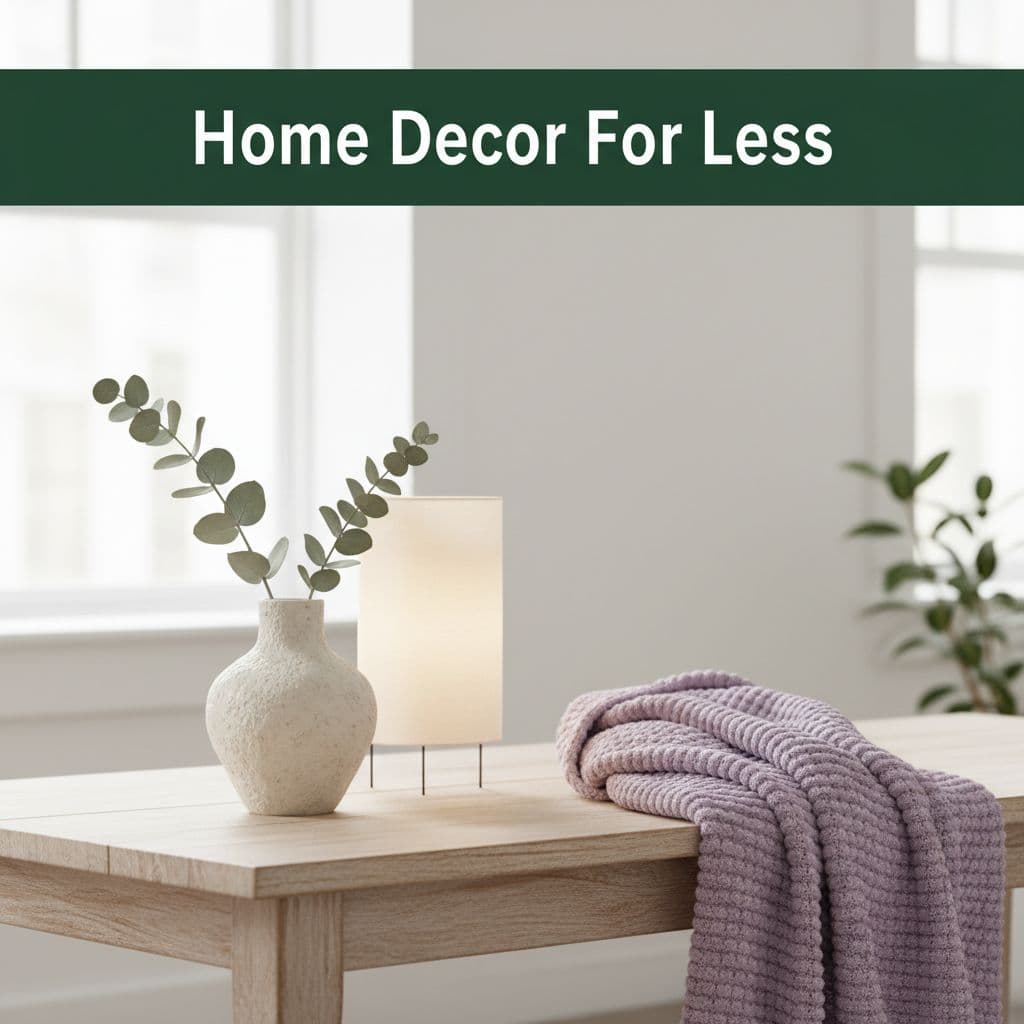
Large textiles occupy significant visual real estate and serve as an anchor for the color story of a space. In 2026, the trend shifts toward muted checkerboard patterns and digital lavender accents that add calming yet modern energy. A 5×7 ft (1.5×2.1 m) area rug or a set of high quality curtains can be found within this price range at retailers like Target or IKEA, helping to mask dated flooring or unattractive window frames. Additionally, refreshing your space with a few plush throw pillows can tie these elements together for a cohesive look.
Bedding remains the most impactful update for a sleeping area. While premium silk sets might exceed the budget, a cotton duvet cover and two matching shams provide a total aesthetic reset for under $100. Many designers recommend using new bedding to update decor because it acts as the primary focal point. Opting for organic textures like linen blends or waffle weaves ensures the space feels intentional rather than mass produced.
Lighting technology in 2026 focuses on jellyfish style paper lanterns and wavy floor lamps that provide soft, diffused illumination. These fixtures replace harsh, clinical overhead lights with a warm glow that makes inexpensive furniture look more refined. A mid-sized floor lamp ($50-$80) paired with a smart bulb allows for customizable color temperatures, adapting the room from a workspace to a relaxation zone instantly. Matching this with a large, circular wall mirror or a wavy cloud mirror adds architectural interest and reflects natural light into corners to maximize the perceived size of the area.
Functional Styling and Wall Decor
Organizing a space effectively is the quickest way to improve its visual value. A set of high quality nesting tables or a wooden crate ottoman offers both storage and secondary seating for small apartments; these are often available at Big W or Kmart for significantly less than designer alternatives. Using multi-use furniture reduces clutter, which helps a room feel more professionally curated.
The following table highlights specific items that provide the best value for a $100 investment.
| Item Category | Potential Impact | Estimated Cost (USD) |
|---|---|---|
| Area Rugs (5×7) | Defines the seating area | $60 – $95 |
| Floor Lamps | Softens room atmosphere | $45 – $80 |
| Mirror Sets | Increases light and space | $35 – $75 |
| Decorative Shelving | Adds vertical storage | $25 – $60 |
Wall transformations also play a critical role in interior design. Peel and stick wallpaper has become a primary tool for renters and budget conscious owners alike, allowing for a sophisticated botanical or geometric look for approximately $40 to $70. Unlike traditional options, these prints are easily removable and do not require professional installation. For those looking for further inspiration, there are many home items under $100 that transform a space effectively.
Finally, living walls and vertical greenery offer a high return on investment. Large Pothos or Snake plants can be positioned on floating shelves to create a jungle effect that saves floor space. Using decorative ceramic pots with earthy, raw textures ensures these natural elements feel like part of the architectural design rather than an afterthought. These larger botanical additions bring life and movement into a home for a relatively small financial commitment.
Home Decor Ideas Under $200 for Budget-Friendly Home Decor
Allocating $200 USD / £160 GBP / CA$280 / AU$310 provides the necessary capital to move beyond superficial styling and into functional room reconfiguration. This budget enables the acquisition of small furniture items, comprehensive lighting systems, or large-scale wall treatments that fundamentally alter a room’s architectural feel. For many households, this amount represents the sweet spot where high-quality materials and professional design principles intersect with affordability for a stylish 2026 home interior.
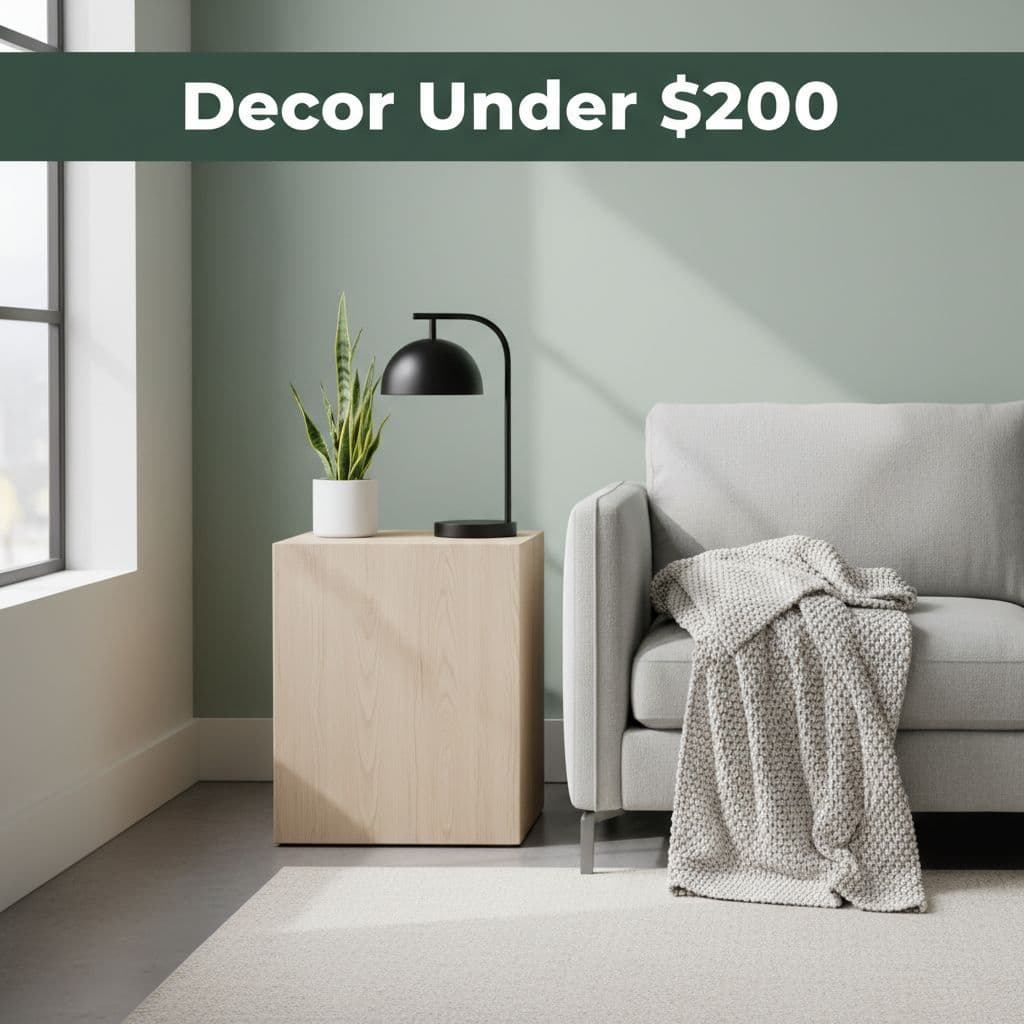
Digital Art and Large Scale Wall Gallery
Wall decor significantly influences the perceived value of an interior, and a $200 budget allows for a professional gallery approach. Purchasing high-resolution digital downloads from independent artists often costs between $10 and $20 per file. Large-scale printing on heavy matte paper, combined with substantial frames from retailers like IKEA or Target, results in statement pieces that mimic the look of custom commissions.
Sourcing these items involves a mix of digital curation and physical assembly. For instance, IKEA’s latest spring decor drops often feature frames and mirrors that serve as affordable foundations for custom art. Using a consistent frame color across a set of three 20×24 inch (50×60 cm) prints creates a cohesive visual weight that grounds a living room or primary bedroom.
Smart Integrated Lighting Systems
Lighting remains the most effective variable for altering a home’s atmosphere. A $200 investment can fund a complete smart lighting ecosystem, including several color-controllable LED bulbs and adhesive bias lighting strips for behind television screens. These systems allow for scene setting, where a room can transition from cool, productive task lighting to warm, amber tones for evening relaxation.
Incorporating hardware like battery-operated lighting fixtures allows for light placement in areas without electrical outlets. This strategy provides the layered lighting look found in luxury hotels without the cost of a professional electrician. Placing these fixtures at varying heights, such as on bookshelves and side tables, eliminates dark corners and makes a standard room feel more expansive.
Furniture Restoration and Upcycling
High-quality wood furniture often appears in thrift stores or online marketplaces for less than $100, leaving ample budget for restoration materials. Using specialized chalk paint or high-quality wood stains can transform a dated oak dresser into a unique, modern, matte charcoal piece with a custom look. This Thrift and Paint method ensures that the core of the furniture is solid wood rather than the particle board typically found in new items at this price point.
The following table breaks down a typical $200 spend for a living room refresh.
| Item Category | Description | Estimated Expense (USD) |
|---|---|---|
| Secondary Furniture | Upcycled furniture plus premium paint | $75 |
| Decorative Lighting | Smart LED bulb starter kit | $60 |
| Statement Greenery | Large 3-foot (0.9 m) Ficus or Monstera | $45 |
| Hardscape Accents | Taper candle holders or stone trays | $20 |
Durable Textiles and Luxury Accents
Focusing on items that offer tactile luxury ensures the space feels as good as it looks. Investing in a singular, high-quality gift or accent, such as those found in boutique collections under $200, introduces a level of craftsmanship that elevates surrounding budget items. A wool-blend rug or a heavy linen tablecloth provides a material weight that synthetic alternatives simply cannot match.
Standard budget home decor ideas often overlook the importance of hardware. Swapping basic builder-grade door handles or cabinet pulls for solid brass or matte black options is a quick way to spend a portion of a $200 budget for immediate impact. These small, physical touchpoints communicate quality and attention to detail every time a drawer is opened or a door is turned.
Budget Home Decor Ideas for DIY Transformations
Strategic interior refreshes in 2026 rely heavily on resourcefulness and the ability to repurpose existing materials. While retail acquisitions provide a foundation, handmade interventions offer the customization necessary for a truly professional look. These budget home decor ideas focus on high-impact projects that require minimal specialized tools while delivering a significant visual return.
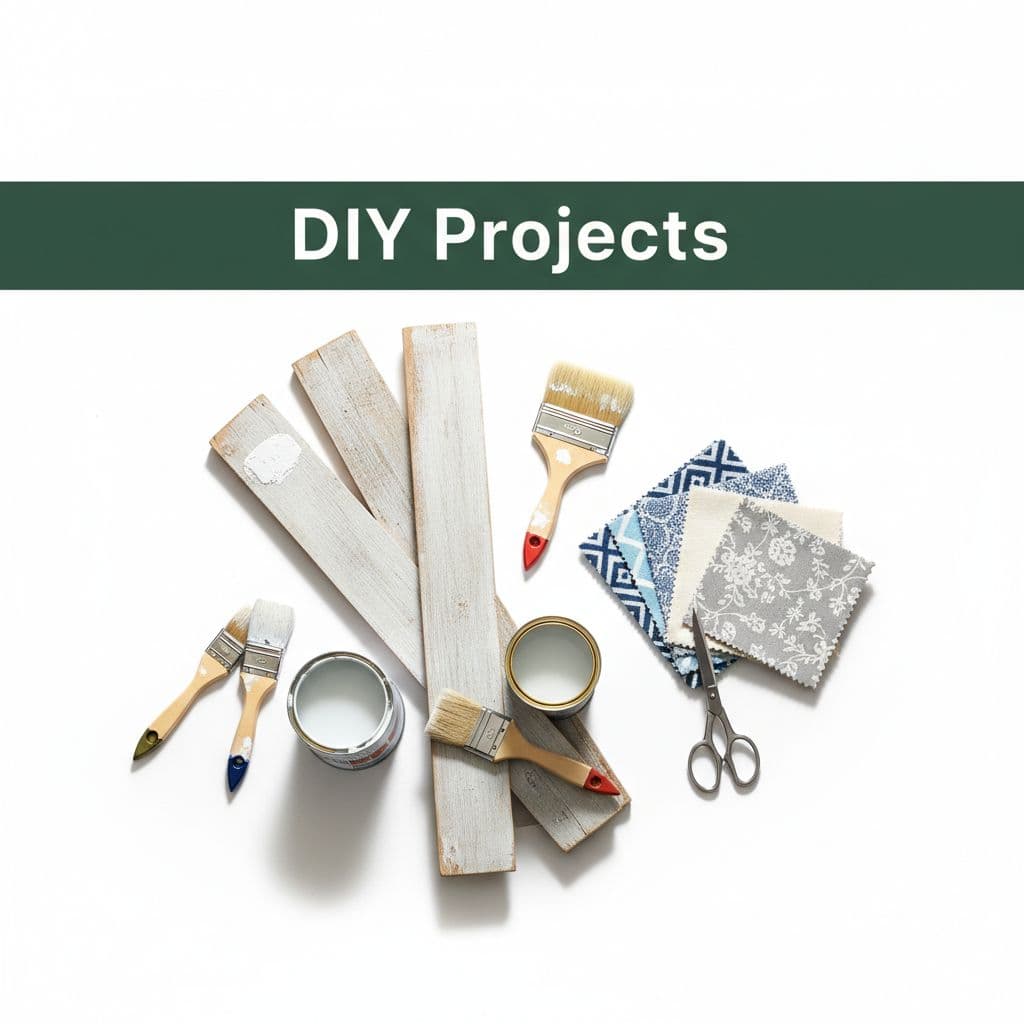
Elevating Your Space with Creative Upcycling and Paint
Furniture upcycling remains the most effective way to acquire solid wood pieces without the premium price tag. In 2026, the trend shifts toward jellybean curves and softened silhouettes, moving away from the sharp, industrial lines of previous years. A standard square coffee table can be transformed using foam insulation or pool noodles as a base for custom molding. These materials are glued to the edges, covered with joint compound, sanded, and painted to create a sculptural, designer-inspired piece. Through these creative thrift store makeovers, you can achieve a high-end look while keeping costs low.
Textural finishes also play a major role in modern upcycling. The baking soda paint hack remains a staple because it gives glass or plastic surfaces the appearance of heavy stone or aged ceramic. Designers often use this method on inexpensive thrift store lamps to add visual weight to a room. Combining these textures with DIY home decor trends for 2026 allows for a cohesive look that masks the humble origins of the materials.
Paint is the most powerful tool for architectural change, and 2026 sees the rise of small-scale color drenching. This technique involves painting the walls, trim, and doors in the same solid hue to create a seamless, immersive environment. Applying a fresh coat of paint to an entire room can drastically alter its mood for very little money. If you prefer a more subtle approach, painting a single accent wall provides an instant focal point that anchors your design. Purchasing mistake paint cans from hardware stores often reduces the cost of a gallon to under 10 USD.
Architectural details can also be simulated using paint and simple wood strips. Creating faux wainscoting or picture frame molding adds depth to flat walls without the expense of professional carpentry. This approach is particularly effective in entryways or dining areas where a sense of traditional structure is desired. Utilizing affordable home decor ideas from major retailers can provide the necessary supplies for these weekend projects at a fraction of the cost of new furniture.
Professional Wall Art and Textile Hacks
Large-scale wall art or a digital art gallery wall provides a focal point that anchors a room. Instead of expensive canvases, framing vintage tea towels or high-quality patterned napkins offers a unique, textured alternative. These projects can be completed for under 50 USD / 40 GBP / CA$70 / AU$80 including the cost of the frames. Hanging heavy quilts or woven blankets on wooden rods serves a dual purpose as both art and acoustic padding.
- Mirror transformations: Apply metallic wax to ornate thrifted frames to mimic high-end bronze or gold finishes.
- Natural art: Glue dried moss into deep frames to create living walls that require no ongoing maintenance.
- Glass etching: Use inexpensive etching cream to add custom designs to mirrors or glassware for a personalized touch.
- Floating ledges: Use scrap wood and basic hardware to build slim shelves for displaying personal collections or books.
Creating a curated home in 2026 is an exercise in intentionality. These DIY projects bridge the gap between mass-produced items and high-end design by adding individual character and texture. Success is found in the small details, such as horizontal line weights in art or the tactile quality of a hand-painted vase. Focus on projects that solve specific visual problems, like jellybean curves for softening a room or color drenching for adding depth to a small space. Exploring a collection of creative DIY home decor projects for 2026 can provide further inspiration for those beginning their home refresh journey.
Thrifted Treasures and Vintage Furniture
Secondhand sourcing is a primary method for creating a unique interior while maintaining a strict budget. In 2026, the shift away from disposable, flat-pack furniture has increased interest in solid wood fossils and eccentric decorative objects. These items offer a sense of history and material quality that modern budget retailers often struggle to replicate. Strategic thrifting allows for the acquisition of high-end materials at prices frequently dipping below $50 USD. Whether you are scouring local flea markets or browsing Facebook Marketplace, these secondhand finds offer a unique way to personalize your living space.
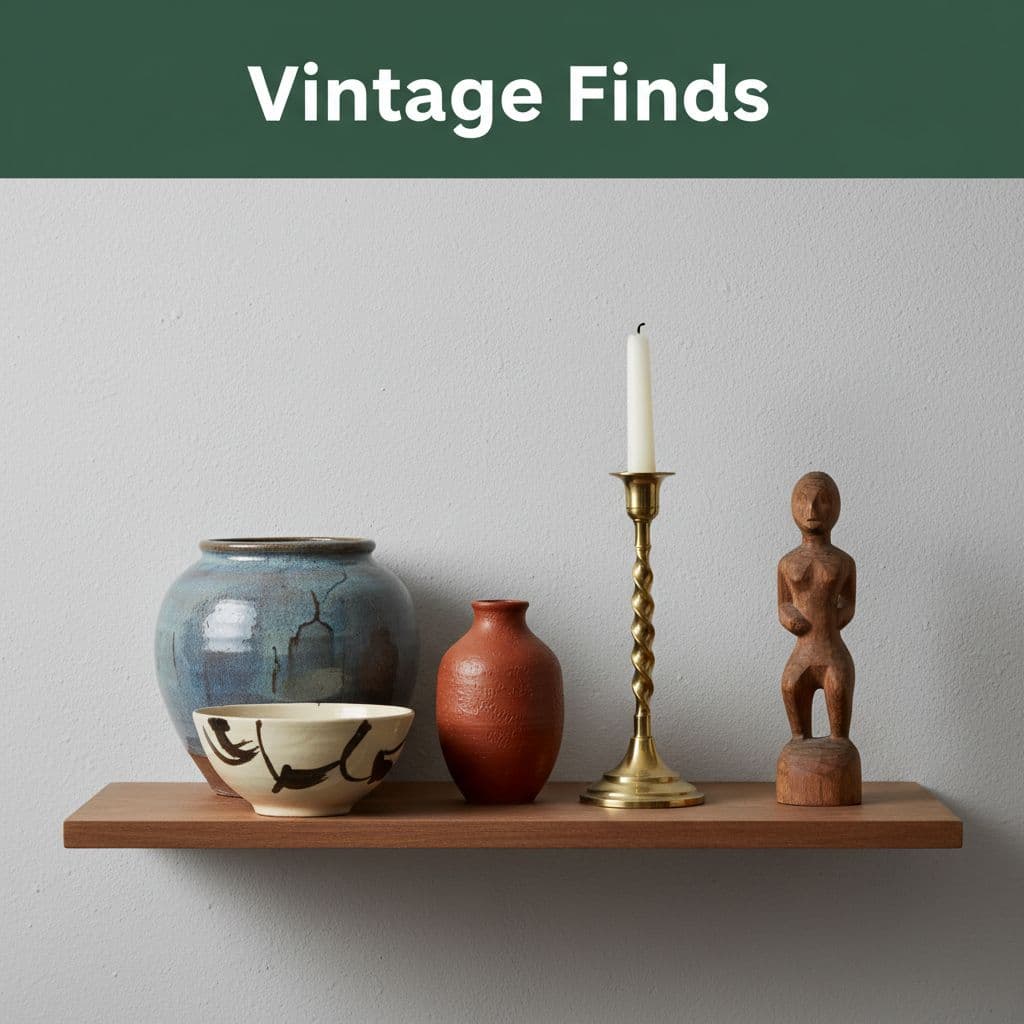
The Rise of Grand-High Style and Metal Accents
A major trend in 2026 is the Grand-High aesthetic, which blends traditional heirloom pieces with modern, clean-lined design. This style prioritizes items like landscape oil paintings, lace linens, and ornate floral patterns to create a space that feels lived-in rather than staged. Incorporating these older elements prevents a room from feeling sterile. For example, placing a vintage mirror over a modern vanity balances contemporary convenience with historical character.
Modern collectors are also moving toward chunky 1970s silhouettes. Instead of thin, spindly legs, 2026 interiors favor low-slung velvet seating and sturdy pine coffee tables. These heavy pieces provide a visual weight that grounds a room. Furthermore, while brass and gold dominated previous years, chrome and silver are the primary metal choices for 2026. This resurgence focuses on 1980s floor lamps and polished serving trays that add a cool, reflective surface to a room. Combining these metallic accents with warm wood furniture creates a sophisticated contrast. Colored glassware also serves as an affordable entry point for vintage decorating, with amber, olive green, and cobalt blue pieces appearing frequently in well-styled homes.
Curating Found Art Walls and Sustainable Spaces
The gallery wall has evolved into a collection of found objects rather than standard printed posters. This involves mixing small brass mirrors, vintage artwork, maps, and even textile art like needlepoint. Using different frame styles in consistent finishes, such as a mix of gold and wood, creates a cohesive but diverse display. This method is often the cheapest way to make a room look nice because it relies on small, inexpensive treasures.
Effective displays require patience and a disciplined eye. It is helpful to set a firm monthly budget, perhaps $30 to $50, to avoid accumulating clutter. Focusing on quality over quantity ensures that each piece adds value to the home. Success with vintage items depends on how they are paired with contemporary surroundings; mixing old and new prevents a house from looking like an antique shop. One might use a mid-century credenza as a media console or a vintage quilt as a wall hanging to introduce texture. These thrift store decorating tips emphasize that creativity is the most important tool when working with a limited budget. Sustainability is also a driving force behind this movement, as reusing existing furniture reduces the environmental impact of manufacturing new goods. By choosing pieces with solid construction, you create a home that is both stylish and responsible.
| Category | High-Value Vintage Finds | 2026 Price Trend (USD) |
|---|---|---|
| Metalwork | Chrome lamps and brass candlesticks | $10 – $45 |
| Glass | Amber vases and cobalt barware | $5 – $25 |
| Art | Original oil paintings and maps | $15 – $60 |
| Furniture | Solid wood side tables and wicker | $25 – $90 |
Where to Shop: Best Affordable Decor Stores (US, UK, Canada & Australia)
Identifying reliable sources for budget home decor ideas is a prerequisite for a successful 2026 refresh. While global giants maintain a strong presence, regional retailers provide specialized inventory that caters to local architectural styles and climate needs. The following analysis identifies the top-performing stores in four major regions based on price point, design relevance, and material durability.
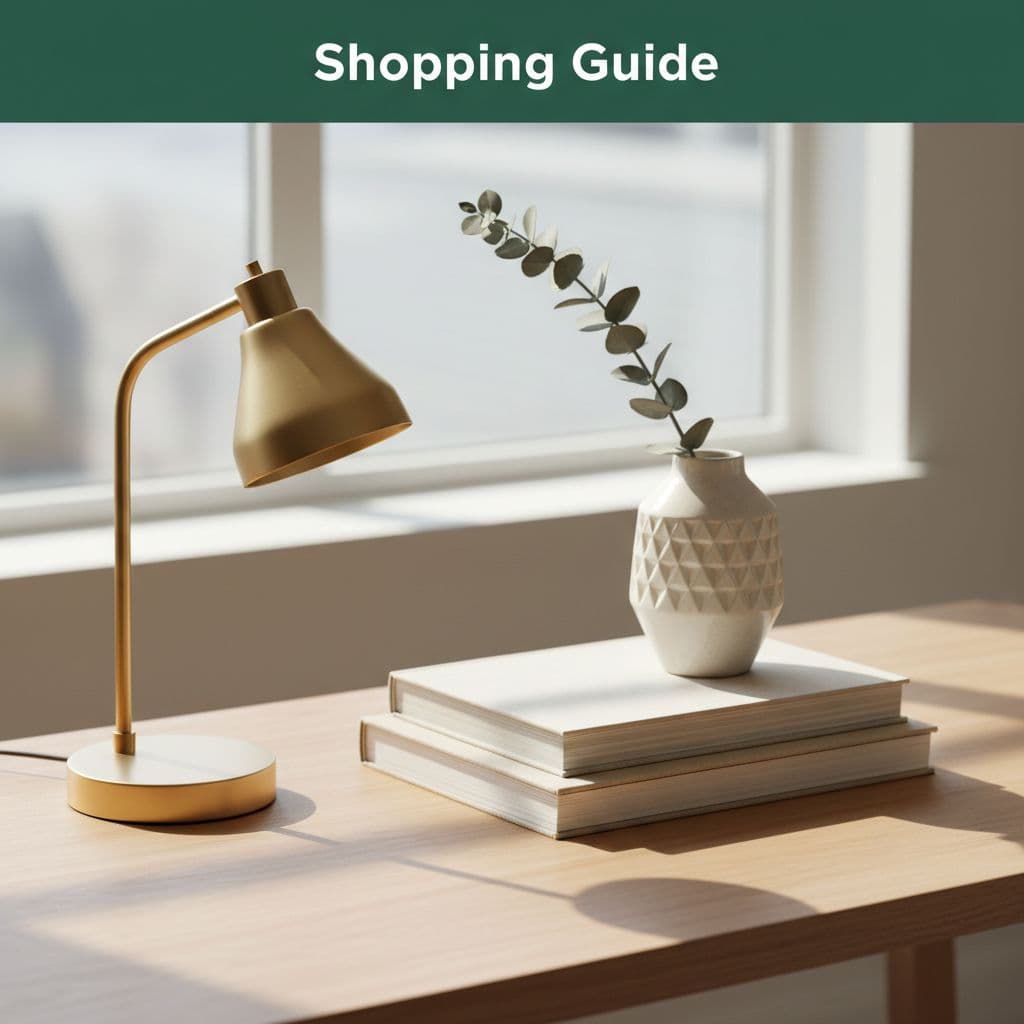
Leading Retailers in the United States
Target continues to lead the US market by leveraging high-end design partnerships, specifically the Threshold and Studio McGee collections. These lines offer structural furniture and accessories for under $50 USD that mirror boutique aesthetics. HomeGoods remains the primary destination for treasure hunt shoppers, where high-quality textiles and kitchenware are often sold at 60% less than traditional department store prices.
Walmart has significantly narrowed the quality gap with its Better Homes & Gardens and Mainstays lines. These brands provide essential items for residents on a strict budget, such as sturdy wooden shelving and cotton linens. For those seeking modern silhouettes without high-street costs, Amazon brands like Rivet provide mid-century furniture that is often shipped within 48 hours.
Prime Shopping Destinations in the United Kingdom
UK decorators frequently prioritize Dunelm for its comprehensive inventory of bedding and window treatments. It is a reliable source for high-volume items that define the character of a room. For smaller accents like candles and mirrors, B&M is a central hub. The store has gained traction for providing the Instagram aesthetic at exceptionally low price points.
TK Maxx operates similarly to HomeGoods, offering designer brands at deep discounts. It is particularly effective for finding distinctive wall art and high-impact budget home decor ideas. Additionally, Matalan is a notable choice for minimalist or Scandinavian-inspired decor, offering towels and soft goods that emphasize comfort, which pair perfectly with updated interior windows to pull a room together.
Top Budget Sources in Canada and Australia
In Canada, IKEA Canada provides affordable furniture and accessories that focus on functional, sustainable living. Simons, a Quebec-based favorite, offers the Maison department, which features artistic and trendy decor often absent from mainstream retailers. HomeSense serves as the most popular spot for decorative pillows and seasonal items across the provinces.
Australia’s market is dominated by Kmart Australia, a cult favorite for its extremely low prices and contemporary designs. It is particularly useful for kitchen gadgets and bedroom sets that align with 2026 trends. Target Australia offers a slightly higher price point but provides superior quality in dinnerware and cotton sheets. When refreshing your interior windows with modern drapes, Adairs Outlets and Spotlight remain the primary choices for high-tier linens and custom-look styles.
Master Retailer Comparison Table
The following table compares key retailers across all four regions to help shoppers identify where to spend their budget for maximum impact, ensuring you find the best affordable decor for every room.
| Region | Best for Furniture | Best for Textiles | Best for Unique Accents |
|---|---|---|---|
| United States | Walmart / Wayfair | Target / Amazon | HomeGoods / Ross |
| United Kingdom | Wayfair UK / IKEA | Dunelm / Matalan | TK Maxx / B&M |
| Canada | Structube / IKEA | HomeSense / Wayfair.ca | Simons Maison |
| Australia | Kmart / Big W | Adairs / Target AU | Spotlight / Kmart |
Strategic shopping involves mixing these retailers based on their specific strengths. While one might purchase a durable sofa from a mid-tier store, finishing the room with accessories from a lower-cost outlet preserves the budget without sacrificing the overall aesthetic. Using this multi-store approach ensures that your home refresh feels curated rather than generic. Consistent monitoring of clearance sections and seasonal shifts typically results in a 30% saving over full retail prices.
Frequently Asked Questions
Strategic planning often involves addressing the specific functional and aesthetic hurdles that arise when capital is limited. Designing a home in 2026 requires a shift from rapid consumption toward intentional, resource-conscious decisions. The following queries address the most common technical and creative challenges faced by those seeking a high-end look on a restricted budget.
How can I decorate my house with very little money?
To decorate with very little money, focus on high-impact sensory changes like lighting, scent, and furniture orientation. Reconfiguring an existing layout costs nothing but immediately resets the energy of the space. To achieve a successful room transformation, introduce natural elements like propagated plants or gathered stones to add organic texture. Utilizing affordable home decorating tips ensures that even small investments, such as new light bulbs or secondhand frames, yield professional results.
What is the 60-30-10 rule in decorating?
The 60-30-10 rule is a classic color theory designed to create a balanced, cohesive palette in any interior space. Use a dominant color for 60% of the room, typically on walls and large rugs. A secondary color should cover 30% of the space, usually through upholstery or curtains. The final 10% is reserved for a bold accent color found in small accessories like pillows and art. This framework prevents color clashing and ensures a professional finish without hiring a designer.
How much should I budget to decorate a room?
A standard room refresh in 2026 typically requires between $150 USD and $500 USD for a meaningful update. Small spaces like bathrooms can often be refreshed for as little as $30 to $100. Larger living areas benefit from a $350 mid-range budget to accommodate new rugs or lighting. Statistics show that homeowners spend an average of $1,200 per room when buying all-new items, but strategic thrifting can reduce this by nearly 60%.
What is the cheapest way to make a room look nice?
The cheapest way to make a room look nice is to eliminate visual clutter and optimize the lighting. Removing 30% of surface items creates a cleaner, more intentional environment at zero financial cost. Replace harsh overhead fixtures with soft, warm-toned lamps positioned at different heights to create depth. Just as professionals emphasize curb appeal for home exteriors, you should focus on your interior flow by adding high-placed window treatments to trick the eye into seeing taller ceilings and a more expensive architectural profile.
Where do interior designers shop for cheap decor?
Interior designers often source affordable foundations from mass-market retailers like IKEA or Target and then layer in unique vintage finds. They frequent estate sales and online marketplaces to find high-quality wood furniture that only requires minor refinishing. For textiles and art, experts look to clearance sections of high-end boutiques or specialized discount outlets like HomeGoods. This high-low mix allows them to stay within budget while maintaining a curated, non-generic aesthetic.
How do I decorate a rental without losing my deposit?
Rental decorating in 2026 relies on removable interventions that do not damage the building structure. Use tension rods for drapes and adhesive strips for hanging heavy art or mirrors without drilling holes. Large area rugs are ideal for covering dated flooring and can be taken to a new home later. Peel-and-stick wallpaper or floor tiles provide a temporary custom look that is easily removed before moving out.
What colors are popular for budget decorating in 2026?
The 2026 palette favors warm, earthy tones like Butter Yellow, Sage Green, and Terracotta over the cool grays of previous years. These colors feel more organic and expensive because they mimic natural materials like stone and sun-dried clay. Using these hues in a monochromatic color drenching style adds architectural depth to small rooms. These shades provide a calming environment and pair exceptionally well with the thrifted wood furniture currently trending in modern interiors.
How can I make a small room feel bigger for cheap?
Maximizing a small space involves using reflective surfaces and vertical lines to draw the eye upward. Placing a large mirror directly across from a window can double the perceived natural light and depth of a room. Use clear acrylic or glass furniture to reduce visual weight so the eye can see through to the walls. Hanging floor-to-ceiling curtains also elongates the walls, making standard eight-foot ceilings feel much more grand.
Related Reading on HouseDecoreIdeas
Interior design is an iterative process where small, cumulative changes lead to a cohesive aesthetic. Building a home that feels curated rather than cluttered requires a balance of foundational knowledge and specific, actionable techniques. The following resources provide deeper insights into particular styles and practical execution strategies that complement a cost-effective approach to home styling.
Foundational Design and Layout Strategies
A successful room makeover starts with understanding the bones of a room. Whether a space is large or cramped, the arrangement of furniture and the choice of a color palette determine how expensive the final result looks. Research consistently shows that spatial organization impacts mood as much as the decor itself.
- Master the art of balanced interiors with 21 neutral living room ideas that utilize texture and tonal shifts to create depth without relying on expensive accents.
- Develop a sophisticated atmosphere by exploring high-end dark feminine bedroom concepts that prove moody, luxury aesthetics are achievable on a modest budget.
- Reference the Modern Budget Home Decor Guide to understand how hardware swaps and modular lighting systems can simulate a five-star hotel experience for under $200.
Technical Skills for Household Upgrades
Executing DIY projects requires more than just inspiration; it demands a clear understanding of materials and timing. Professionals often schedule their most significant changes around retail cycles to maximize the value of every dollar spent. Learning how to install new lighting fixtures and other technical hacks allows for a higher quality of finish in any home project.
The table below highlights essential areas of study for those looking to expand their decorating skill set.
| Study Area | Key Takeaway | Primary Benefit |
|---|---|---|
| Color Theory | The 60-30-10 distribution rule | Creates instant visual harmony |
| Textile Sourcing | Scouting thrifted treasures | Improves the tactile feel of the room |
| Lighting Design | Sourcing quality secondhand finds | Enhances low-cost furniture pieces |
Sustainable and Ethical Sourcing
The current shift toward sustainability means that thrift stores and vintage marketplaces are more than just budget options; they are the preferred choice for high-quality materials. Solid wood, brass, and hand-blown glass are frequently found in secondhand shops for a fraction of their original retail price. Utilizing a comprehensive decorating guide helps identify the best times to visit estate sales and how to spot diamonds in the rough before they are marked up by resellers.
Intentional sourcing also involves knowing where to find affordable, professional-grade supplies. For comprehensive architectural changes, homeowners can find DIY inspiration and affordable decor tools that make complex tasks like wallpapering or molding installation accessible to beginners. Combining these resources ensures that every design choice is backed by practical knowledge and financial efficiency.
Conclusion
Budget home decor ideas in 2026 reflect a broader transition toward intentionality and resourcefulness. Financial limits do not prevent high quality aesthetics; instead, they force a focus on lighting, texture, and architectural balance. Small investments in warm LED systems or a single gallon of paint often yield higher visual returns than purchasing mid-range, mass-produced furniture sets. The most successful interiors are those that prioritize the tactile experience through natural fibers and historical depth from vintage finds.
A curated home is built over time rather than purchased in a single transaction. Success depends on the strategic allocation of funds toward anchor pieces and the creative use of DIY interventions to fill the gaps. By mastering the 60-30-10 color rule and utilizing regional sales cycles, anyone can utilize these budget home decor ideas to create an environment that feels both expensive and personal. Maintaining a consistent design language ensures that every $50 or $100 update contributes to a cohesive whole, making every budget-friendly home decor project a meaningful step toward your ideal room transformation.
Download the Room-by-Room Budget Worksheet (PDF) to plan your next home refresh with precision.
Want the shortcut? Grab our free premium decor guide — 30 ideas for an effortlessly premium home.
Related reading
- Home Decor Ideas for Every Room: A Complete Guide
- 18 DIY Home Decor Ideas That Look Expensive
- 19 Apartment Decor Ideas That Make Small Spaces Feel Like Home
- 15 Small Bedroom Ideas to Maximize Space in Every Inch
- Home Decor Styles Explained: Find Your Perfect Interior Style
- 19 Home Decor Ideas That Refresh Every Room Without a Remodel
- 19 Patio Decor Ideas for a Cozy Outdoor Space