
Home Decor Ideas for Every Room: A Complete Guide
A room often goes wrong the moment too many things arrive at once—a new rug, fresh art, extra pillows, and no clear plan to hold them together. That is where design inspiration matters most, because good decorating gives each piece a job instead of letting the space turn crowded and vague. Built on interior design foundations, these concepts help create rooms that feel cohesive and inviting.
This guide covers every major room in the house, along with style, budget, and the mistakes that make spaces feel unfinished. It works for renters and homeowners alike, because great styling is intentional, layered, and personal, not expensive.
Across these pages, the focus stays on practical choices that shape how a room feels, not just how it photographs. First, we start with the basics that make every space easier to style well.
A room often goes wrong the moment too many things arrive at once—a new rug, fresh art, extra pillows, and no clear plan to hold them together. That is where design inspiration matters most, because good decorating gives each piece a job instead of letting the space turn crowded and vague. Built on interior design foundations, these concepts help create rooms that feel cohesive and inviting.
This guide covers every major room in the house, along with style, budget, and the mistakes that make spaces feel unfinished. It works for renters and homeowners alike, because great styling is intentional, layered, and personal, not expensive.
Across these pages, the focus stays on practical choices that shape how a room feels, not just how it photographs. First, we start with the basics that make every space easier to style well.
Key Takeaways
- Plan before purchasing: Anchor every room with a color palette, layered lighting, and a ruthless edit to keep spaces cohesive and intentional, not crowded.
- Layer texture and scale for depth: Mix materials like linen, wood, and wool while respecting room size—fewer large pieces with purpose outperform scattered small decor.
- Focus on function and mood: Prioritize pieces that support daily routines, soften light, and reflect personal style across living rooms, bedrooms, kitchens, and beyond.
- Budget impact starts with basics: Paint, mirrors, textiles, and thrifted finds create premium feel without excess; edit first, then add with restraint.
- Avoid common pitfalls: Fix scale mismatches, harsh lighting, and clutter for rooms that feel calm, balanced, and lived-in rather than accidental.
What Is Home Decor, And Why Does It Matter?
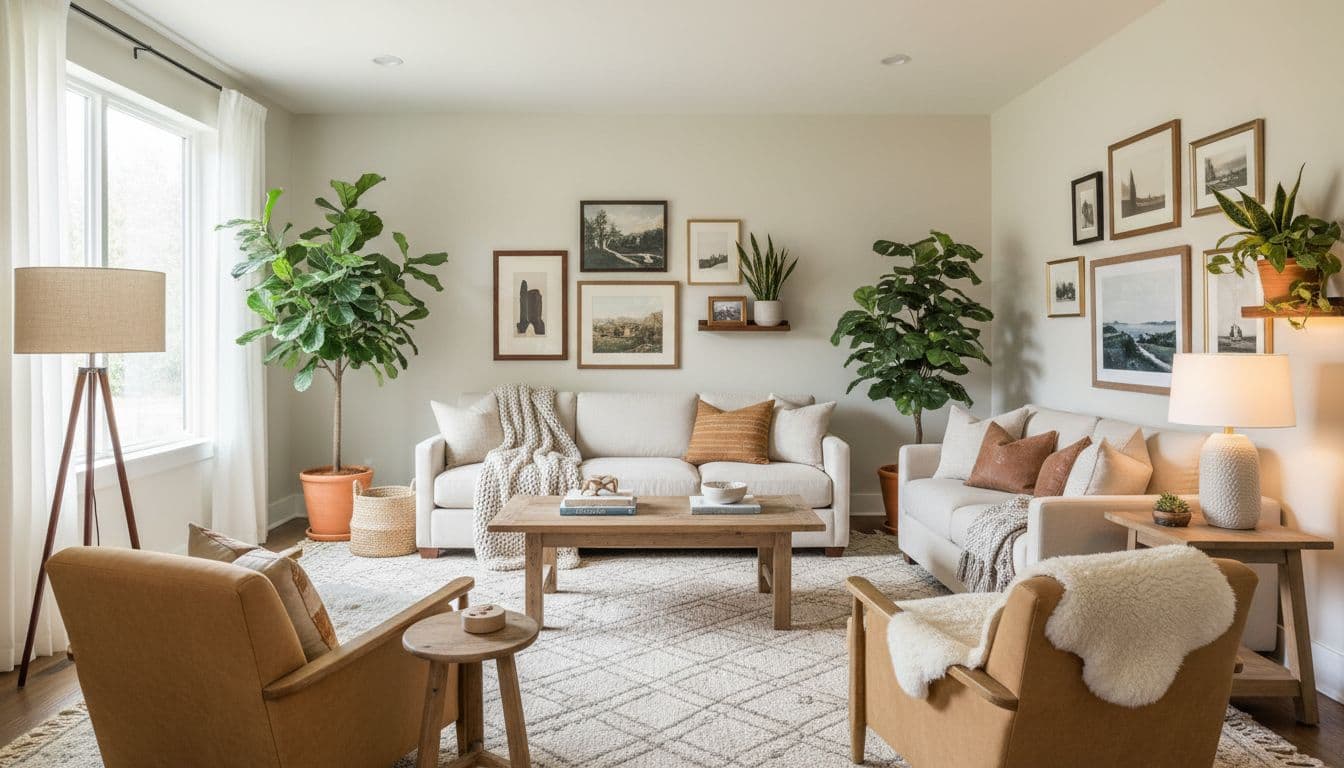
Home decor is the visual and practical layer that shapes how a room feels, works, and holds together. It includes furniture, lighting, textiles, art, storage, and the small details that give a space personality. Good home decor does more than look finished, because it changes how a room feels the moment someone walks in.
A simple definition of home decor
Home decor is the visible layer of a room that makes it feel styled rather than bare. It includes the pieces that create mood, such as rugs, curtains, pillows, mirrors, lamps, wall art, and decorative objects. In practice, it is the difference between a room that works and a room that feels complete.
Home decor and interior design overlap, but they are not identical. Design shapes the structure of a room, while decor finishes the story with color, texture, and personality. That is why neutral living room ideas can feel so polished, even when the furniture itself is simple.
Why home decor matters more than people think
A room affects the body before it ever gets a compliment. Light, color, clutter, and layout all influence mood and focus. Realtime research shows that natural light can support better energy and sleep, while plants and clutter-free spaces help lower stress and mental strain.
That is why home decor is not superficial. A calm bedroom with soothing texture, a functional bright kitchen, or a balanced living room can change the pace of daily life. Soft colors can make a room feel quieter, while layered lighting can make evenings feel more restful.
“A well-decorated room does not just look finished, it feels easier to live in.”
Decorating is about feeling, not just filling space
Decorating works best when every piece has a reason to be there. A rug can ground a seating area, a lamp can soften a corner, and artwork can pull a palette together. Without that kind of intention, even expensive rooms can feel scattered.
A strong room usually does three things at once:
- It supports daily routines without fuss.
- It creates a clear visual rhythm.
- It reflects the people who live there.
That is the real value of home decorating ideas. They help a space feel personal, calm, and lived in, instead of random or unfinished.
3 Rules Every Room Needs Before You Buy Anything
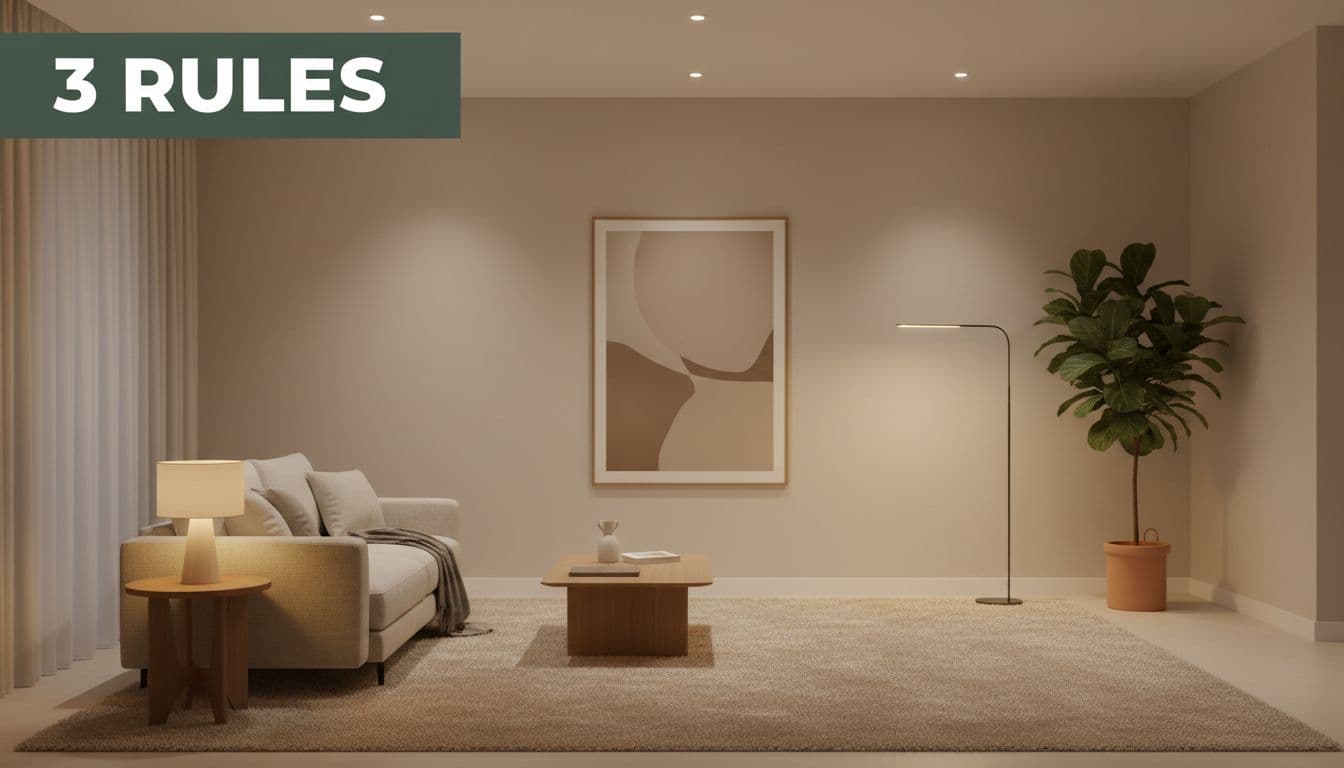
Most rooms do not need more decor, they need a clearer plan. Before a chair, rug, or lamp enters the room, three decisions should already be in place. Those decisions are the color anchor, the lighting layers, and the edit. A room without those basics tends to feel accidental. Pieces arrive one by one, and the space starts to drift. With a simple framework in place, every purchase has a job. The room stays steady instead of crowded.
Rule 1: Start with a color anchor
Every room needs one color anchor before anything else is added. That anchor can come from an area rug, sofa, wall color, bedding, or even a large piece of art. Once that main tone is set, the rest of the room has something to hold onto.
A good anchor does not have to be bold. Soft ivory, warm beige, sage, charcoal, or muted blue all work well when they repeat across the room. The key is consistency, because scattered color choices make even expensive rooms feel unfinished. The easiest way to build around it is to follow a simple color palette structure, such as the 60-30-10 decorating rule. That keeps the room balanced without forcing every item to match.
“Buy the anchor first, then let the accents follow.”
Rule 2: Layer your lighting
One overhead fixture is rarely enough. A room needs light at different heights so it can shift from bright and practical to soft and calm. That usually means ambient light, task light, and accent light working together. This is where many rooms fall flat. The space may have good furniture, but harsh lighting makes everything feel stiff. A table lamp, floor lamp, sconce, or under-cabinet light adds warmth and depth, especially in rooms that need to feel lived in.
A useful way to think about lighting is in three parts:
- Ambient light gives the room its general glow.
- Task light helps with reading, cooking, or working.
- Accent light highlights art, shelves, or architectural detail.
For a fuller breakdown of layered room styling, see how layered decor builds a room. Lighting works the same way, each layer makes the next one more effective.
Rule 3: Edit before you add
A room looks better when unnecessary items leave before new ones arrive. This is the rule that keeps home decor ideas from turning into clutter. Before buying anything, remove what no longer fits the room’s furniture scale, palette, or purpose.
That edit can be simple. Too many pillows, duplicate side tables, tiny wall art, or small objects with no visual weight often dilute the room. Once the extras are gone, the right pieces stand out more clearly. The strongest rooms usually follow a quiet pattern: fewer objects, better placement, and more breathing room. That approach makes room decor ideas feel intentional, not crowded, and it gives every purchase a sharper role in the space.
Living Room Decor Ideas
The living room sets the tone for the rest of your home, so every choice needs to do double duty. It should feel welcoming, but it also has to hold shape, light, and flow. The best living room decor ideas create that balance by using scale, texture, and a clear focal point instead of filling every corner.
A premium-looking living room rarely depends on expensive pieces. It comes from furniture that fits the room, decor that repeats the same visual language, and enough open space for the eye to rest. That is why the strongest room decor ideas often look simple at first glance, then reveal layers on closer look. A good living room also starts with restraint. Too many small accents can make the room feel scattered, while a few well-chosen pieces give it weight and direction. That applies whether the goal is warm and cozy, clean and modern, or soft and neutral.
Small Living Room Ideas
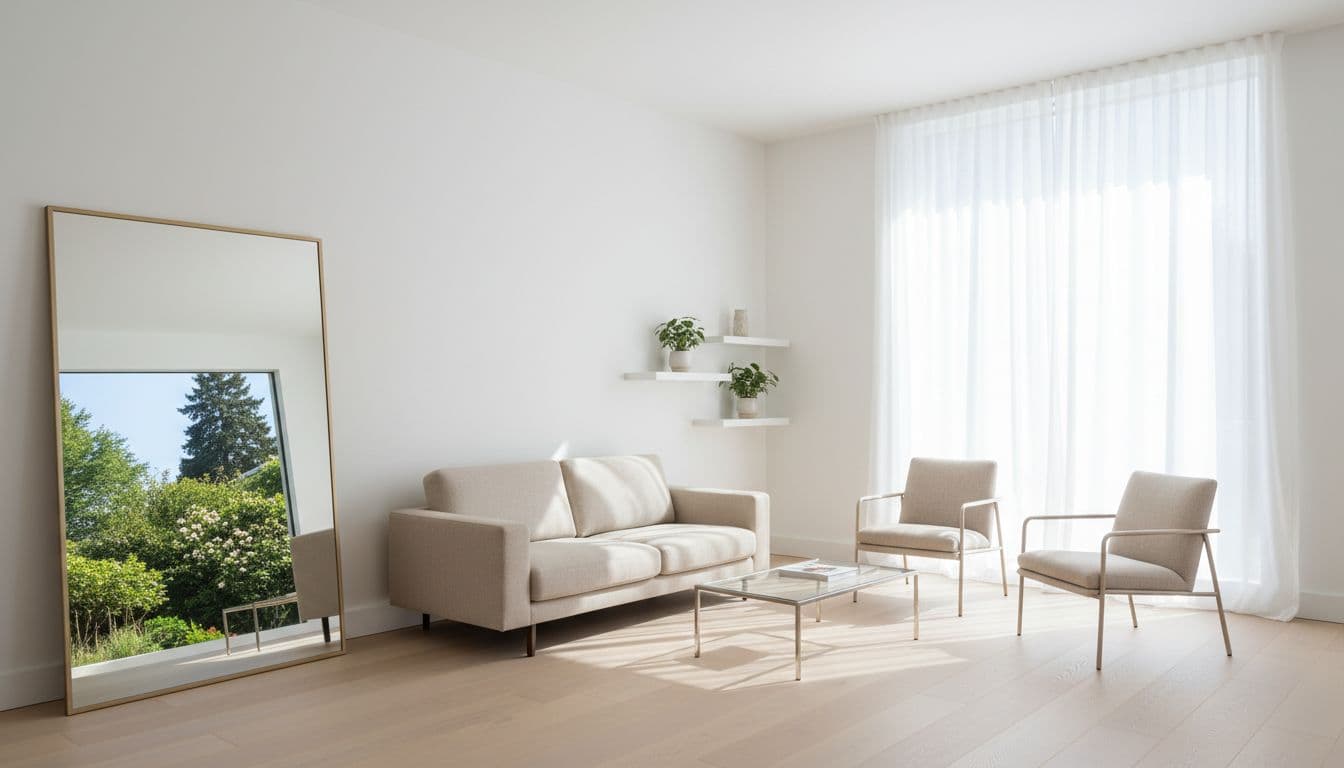
Small living rooms feel larger when the furniture respects the room’s scale. Slim silhouettes, raised legs, and lower-profile seating help the space breathe. They leave more visual floor visible. A compact sofa with a narrow arm, or two small chairs instead of one bulky sectional, often works better than stuffing the room with oversized pieces.
Mirrors help, but only when they reflect something worth seeing. A large mirror near a window can double the light and stretch the room visually, while a small mirror on a crowded wall can feel like decoration without purpose. The same goes for decor, fewer pieces with more presence usually look better than many tiny objects.
A small living room also benefits from one or two strong anchors:
- A rug that fits the seating area so the room feels grounded.
- A coffee table with light visual weight, such as glass, acrylic, or slim wood.
- A narrow console table along one wall to add function without bulk.
- One larger piece of wall art instead of a cluster of small frames.
- Indoor plants in a few key spots for life and softness.
- Soft curtains hung high, which make the ceiling feel taller.
Pro Tip: In a small living room, leave one surface nearly empty. That single patch of breathing room makes the whole space feel calmer.
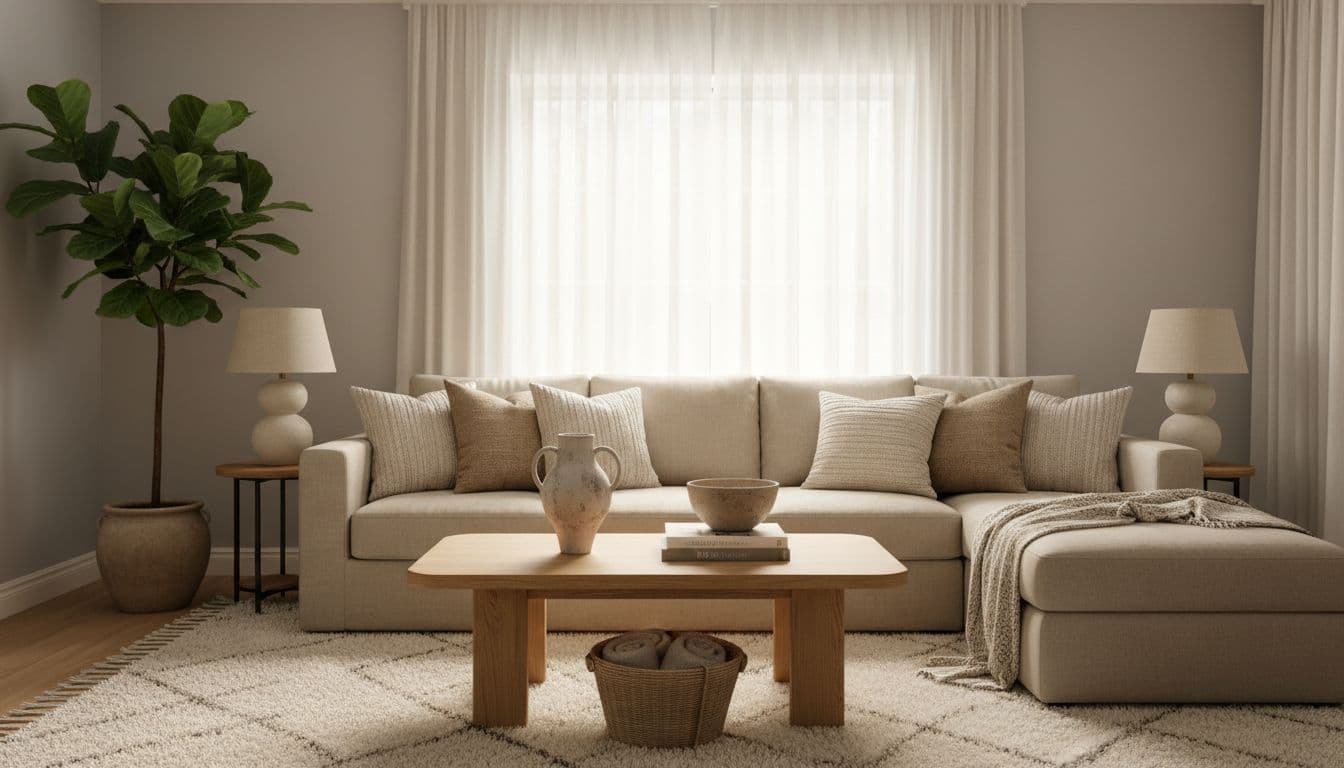
Neutral Living Room Ideas
Neutral living rooms work best when they feel layered, not flat. Beige, cream, gray, and taupe can look current when they are mixed with texture, warm wood, and soft contrast. Without those details, the room can drift into a blank, unfinished look.
The easiest fix is to think in surfaces, not just colors. Linen cushions, a wool rug, a nubby throw, and a wood coffee table each add a different note, even when the palette stays quiet. That mixture gives neutrals depth and keeps the room from feeling washed out. Warm wood is especially useful in neutral rooms. It cuts through cool gray and softens cream, while a black lamp base or dark picture frame adds enough contrast to keep the palette from fading. The goal is calm, but it should still feel alive.
For a neutral room that feels polished, focus on:
- One main neutral family, such as warm beige or soft gray.
- Two or three textures that repeat across the room.
- A few darker accents for shape and definition.
- Layered fabrics that make the room feel comfortable, not stiff.
Pro Tip: Neutral rooms look richer when every fabric has a slightly different finish, matte, woven, brushed, or soft and smooth.
Modern Living Room Ideas
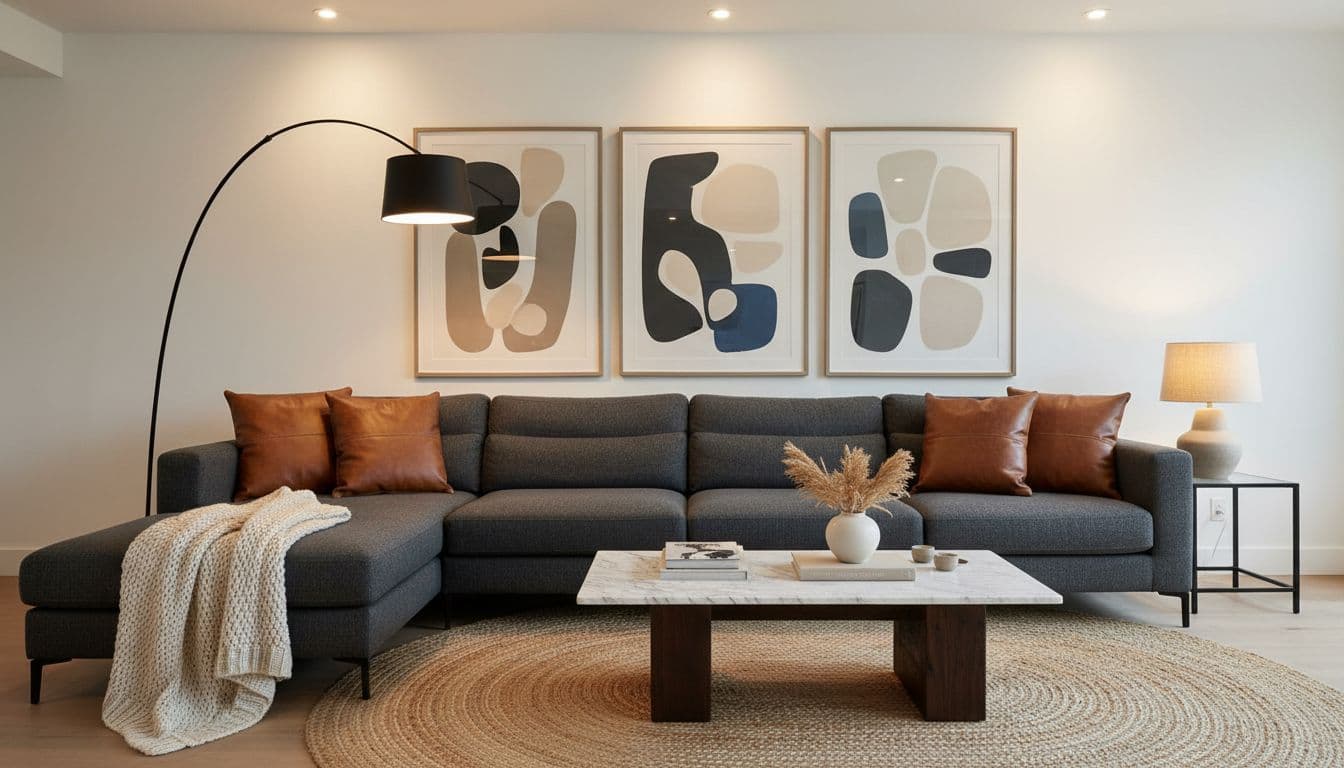
Modern living rooms feel stronger when the lines are clean but the room still has warmth. That means using simple silhouettes, darker accents, and a mix of smooth and textured finishes. A modern room should feel edited, but not cold or empty.
Current modern decorating leans more lived-in than polished. A low sofa, sculptural lamp, and abstract art can create the clean structure, while a jute rug, leather pillow, wool throw, or layered curtains keep the room from feeling severe. This balance matters because the sharpest modern rooms now borrow a little softness from other styles, with texture adding subtle depth. Dark accents help the room hold its shape. Matte black, charcoal, and deep brown add contrast against lighter walls and upholstery, and sculptural lighting gives the room a focal point even when the rest stays simple. The result feels grounded, not stark.
A modern room usually works best when it includes:
- One strong seating piece with a clear shape.
- A sculptural light source that acts almost like art.
- A mix of smooth and tactile materials to avoid a flat finish.
- A restrained color palette with one or two deeper tones.
Modern living room decor ideas are strongest when they feel composed but lived in, like a room that has been edited with care and then allowed to relax. That is the shift now, less showroom, more home.
Bedroom Decor Ideas
A bedroom works best when it feels calm, layered, and finished without looking busy. The strongest bedroom decor ideas usually start with the bed, then move outward to lighting, texture, and the objects that frame the room. That order matters because the bed is the visual center, and everything else should support it.
Bedroom styling has shifted toward warmth and softness. Realtime design coverage for 2026 points to cozy color palettes, curved shapes, textured bedding, and more personal bedding mixes, which all help the room feel less rigid. That makes bedroom decorating easier to approach, because the goal is not perfection, only comfort with a clear point of view.
A good bedroom also balances function with mood. It needs rest, storage, and enough visual quiet to help the space feel complete. For a broader look at how designers approach bedroom decorating, the details are often simpler than they first appear.
How to make a bed feel more finished
A well-made bed is the fastest way to make a bedroom look designed. It usually needs more than one sheet set and a blanket tucked in place. Layering creates that hotel-like feel, but the layers should stay relaxed, not stiff.
Start with crisp base bedding, then add one textured layer such as a quilt, coverlet, or woven throw. After that, bring in throw pillows with a mix of sizes so the bed has height and shape. A single color family works well, but small shifts in tone keep the arrangement from feeling flat.
A few details matter more than most people think:
- Use a duvet or coverlet with some weight so the bed looks grounded.
- Mix textures, such as linen, cotton, bouclé, or velvet.
- Keep throw pillows limited, so the bed feels styled rather than crowded.
- Choose one strong focal point, like a headboard or large artwork, to anchor the wall.
“Pro Tip: A bed looks more expensive when the layers feel intentional, not overworked.”
Lighting that makes a bedroom feel calm
Bedroom lighting should soften the room, not flood it. Harsh overhead light can make even a beautiful room feel tense. Layered lighting helps the space ease into the evening. Table lamps, wall sconces, and dimmable fixtures each bring a different level of warmth. Place light where it supports the room’s routine. Reading light belongs near the bed. Ambient light belongs higher in the room. A small accent light can highlight art or a dresser vignette.
For a clear breakdown of layered bedroom lighting ideas, the main lesson is simple: use more than one source. Warm bulbs work better than cool ones in most bedrooms. They flatter bedding, soften wall color, and make the room feel less like a task space. That small shift changes the mood quickly.
A bedroom lighting plan often works best when it includes:
- Two bedside lights for balance.
- One overhead fixture with a dimmer.
- A softer accent light for corners or shelves.
- Avoiding overly bright bulbs that flatten the room.
Styling nightstands and dressers without clutter
Nightstands and dressers look better when every item has a clear job, especially with smart storage and shelving options. A lamp, a book, and one decorative object are usually enough. Once surfaces start collecting too many small pieces, the room loses calm fast.
Think in small groupings rather than scattered decor. A tray can hold a candle and jewelry dish. A stack of books can add height. A vase can bring in shape without noise. Dresser styling works well the same way, because one larger arrangement usually looks stronger than several tiny accents. Shelving above or integrated storage keeps essentials handy without clutter.
The finish should feel personal, but not crowded. A framed print, a ceramic bowl, or a small plant can add character without turning the surface into a display shelf. That is the line bedroom decorating keeps returning to: enough detail to feel lived in, but not so much that it interrupts rest.
Luxury Bedroom Ideas
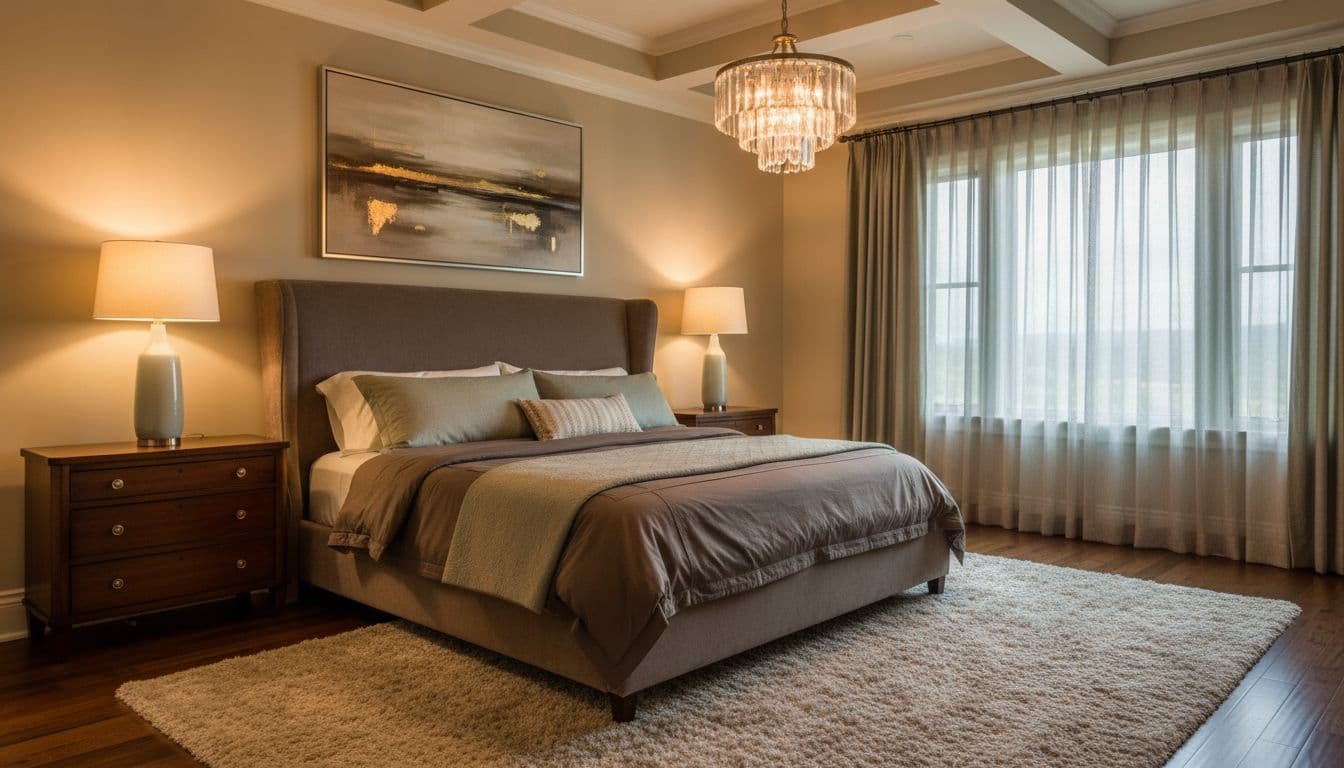
Luxury bedroom ideas rely on texture, symmetry, and richer materials, not excess. A room feels more elevated when the finishes are softer, the layout is balanced, and the palette stays controlled. Velvet, linen, wood, stone, and brushed metal all add weight without needing a large budget.
Symmetry is one of the easiest ways to make a bedroom feel more refined. Matching lamps, paired nightstands, or a centered artwork arrangement create order immediately. Then texture does the rest, through bedding, curtains, rugs, and upholstery.
The strongest luxury look usually comes from restraint. One large art piece often does more than a gallery wall, and one quality throw can matter more than five decorative pillows. For a more dramatic version of this approach, dark feminine bedroom ideas show how deeper color can still feel calm and polished.
Minimalist Bedroom Ideas
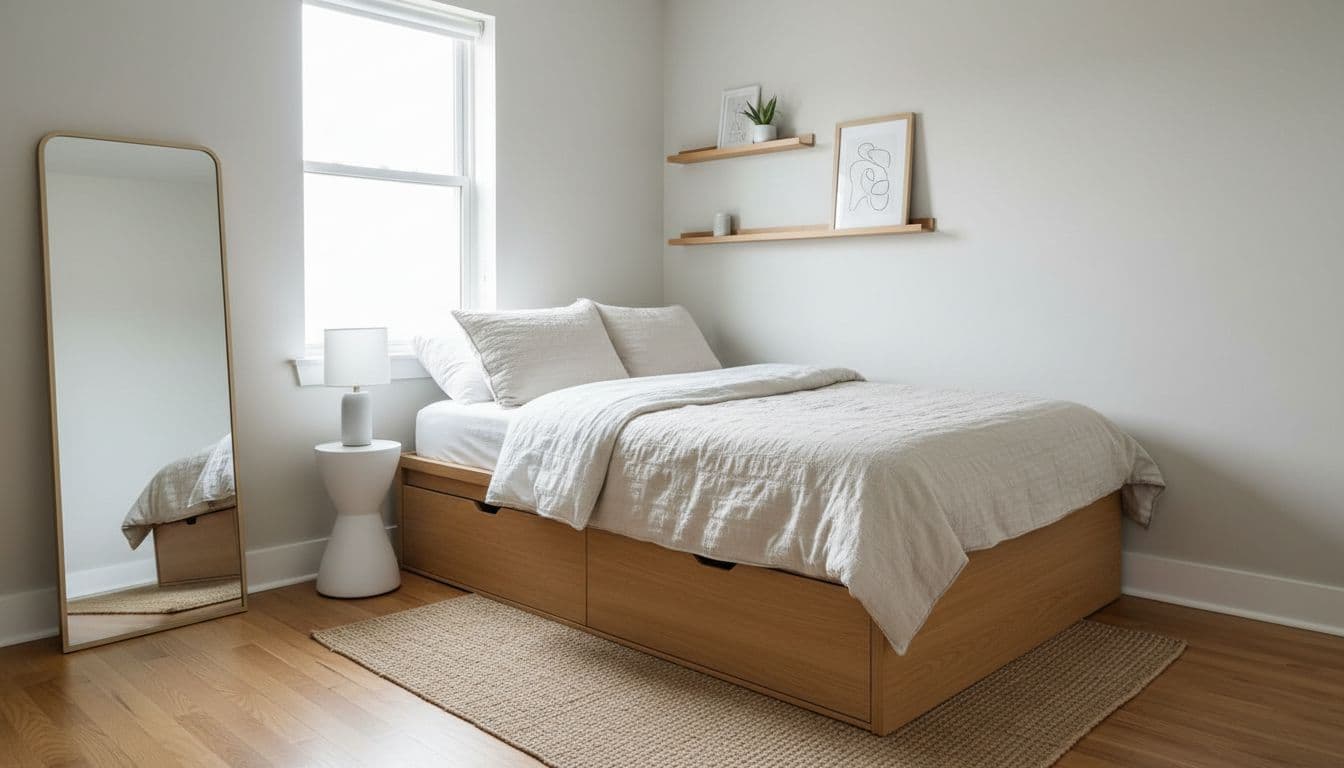
Minimalist bedroom ideas work best when the room is edited with care, not stripped bare. A simple bedroom still needs warmth, so the materials and color choices matter just as much as the number of objects. Clean lines help, but soft finishes keep the space from feeling cold.
A calm minimalist room often uses a quiet palette, such as white, oat, sand, or pale gray. Then it layers in one or two tactile elements, like a woven throw, linen drapes, or a wood nightstand. That small amount of contrast gives the room shape without crowding it.
Editing is the real design move here. Remove anything that does not support sleep, storage, or visual balance. When the room holds only what it needs, the few remaining pieces feel more deliberate.
Small Bedroom Ideas
Small bedroom ideas should save space while making the room feel lighter. The best choices reduce bulk, raise the eye line, and keep surfaces open. Storage under the bed, floating shelves, and slim furniture all help without making the room feel cramped.
Bed placement matters more in a small room than people expect. A bed pushed too tightly into every wall can make the space feel boxed in, while leaving a little breathing room improves flow. Mirrors can also help, especially when they reflect natural light instead of clutter.
Simple decor usually works best in a small bedroom which are becoming popular in the bedroom decorating trends. One large piece of art, one soft rug, and a narrow lamp often look better than many small items. The room feels larger when the eye moves easily, with no visual traffic jam along the walls or floor.
Kitchen Decor Ideas
A kitchen feels finished when it looks useful first, styled second. The best kitchen decor ideas keep counters clear. They add warmth through texture. A few strong details soften all the hard surfaces. In a kitchen built around work, the goal is balance, not decoration for its own sake.
The 2026 kitchen direction in the US leans warmer and more layered. Wood, brass, and mixed materials replace the all-white, all-smooth look. That shift matters because kitchens now need to feel lived in, not staged. A good kitchen should still cook well. But it should also feel calm when the dishes are done.
White Kitchen Ideas
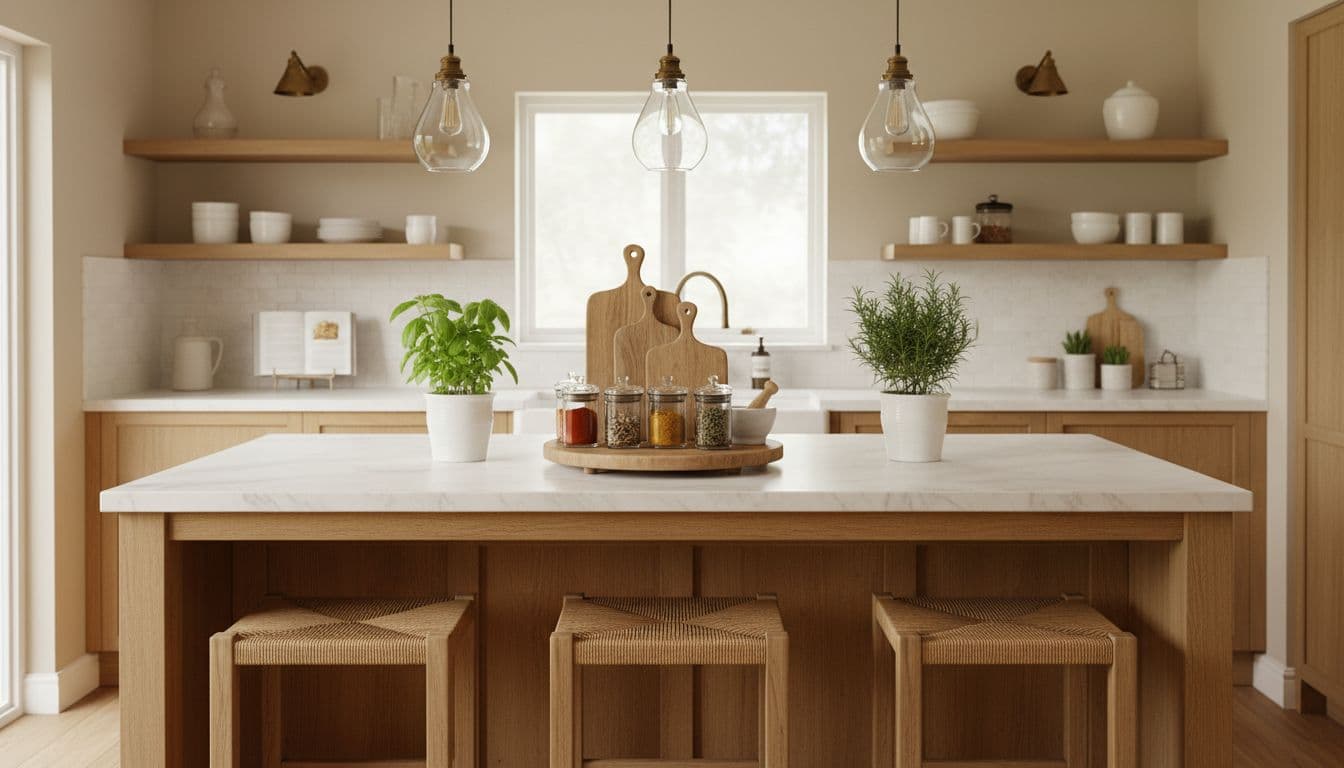
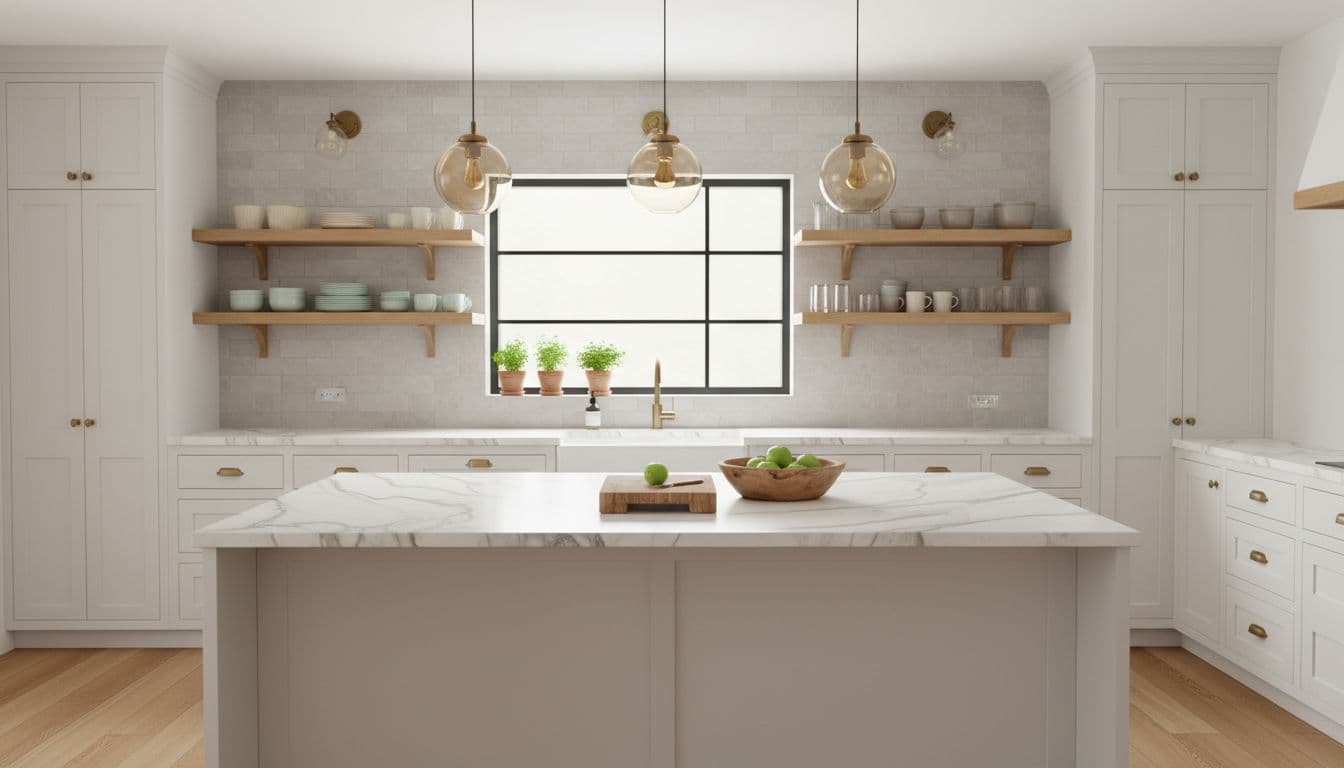
White kitchens feel better when they have texture, wood, and contrast. A flat white room can turn cold fast, so the fix is to break up the smoothness with small, warm details. Wood shelves, butcher-block accents, woven seating, and brass hardware all stop the room from looking sterile.
Lighting matters just as much. Warm pendants, under-cabinet lights, and natural daylight create depth across white cabinets and tile, while matte finishes keep glare under control. For a current example of where kitchen styling is heading, Houzz’s 2026 kitchen trends study shows how homeowners are pairing neutral palettes with warmer materials.
Pro Tip: If a white kitchen feels too sharp, add wood before adding color. Warm material does more than bright accent pieces ever can.
A white kitchen looks richer when it includes:
- Wood accents on stools and other furniture, shelves, or cutting boards.
- Mixed metal hardware for quiet contrast.
- Textured surfaces like zellige-style tile or linen window treatments.
- One or two darker notes, such as black frames or a deeper countertop vein.
Open Shelf Kitchen Styling
Open shelving works best when it feels edited, not crowded. The most practical approach is to group objects by color or material, then leave enough space for each cluster to breathe. A few ceramic bowls, matching mugs, and glass jars can look neat and useful when they repeat with purpose.
Layering helps, but only in small doses. Stack bowls, lean a cutting board behind plates, and vary height with one vase, plant or cookbook, then stop before the shelf starts to feel busy. Open shelving also works better when everyday items stay close together, because a loose arrangement quickly reads as clutter.
To keep shelves tidy, follow a simple visual rhythm:
- Group items by tone, such as white, wood, or glass.
- Mix stacked and upright pieces for shape.
- Leave open gaps between clusters.
- Keep the most used items easiest to reach.
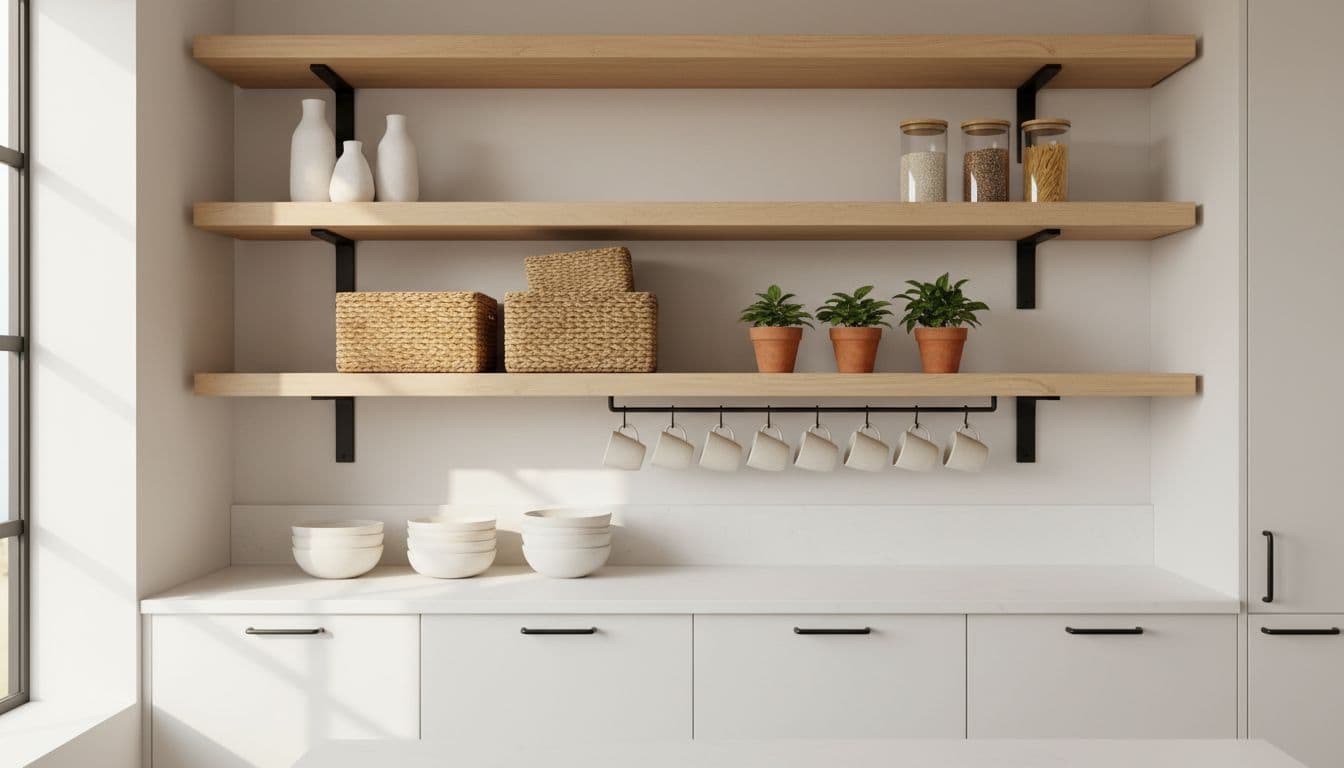
Open shelves do not need to hold everything. They work best as a small display of the kitchen’s best materials, while the rest stays hidden and easy to use. That balance keeps the room practical and clean, which is what strong kitchen decor ideas always come back to.
Dining Room Decor Ideas
A dining room works best when it feels deliberate, not decorated in a hurry. The room needs a clear focal point, comfortable seating, and lighting that makes people want to stay a little longer. Strong dining room decor ideas balance those pieces without adding clutter.
This is one of the easiest rooms to overstyle. A table, chairs, and a pendant can carry a lot of the work, so the details have to be chosen with care. The best room decor ideas here create a sense of occasion, even on an ordinary Tuesday night.
Small Dining Room Ideas
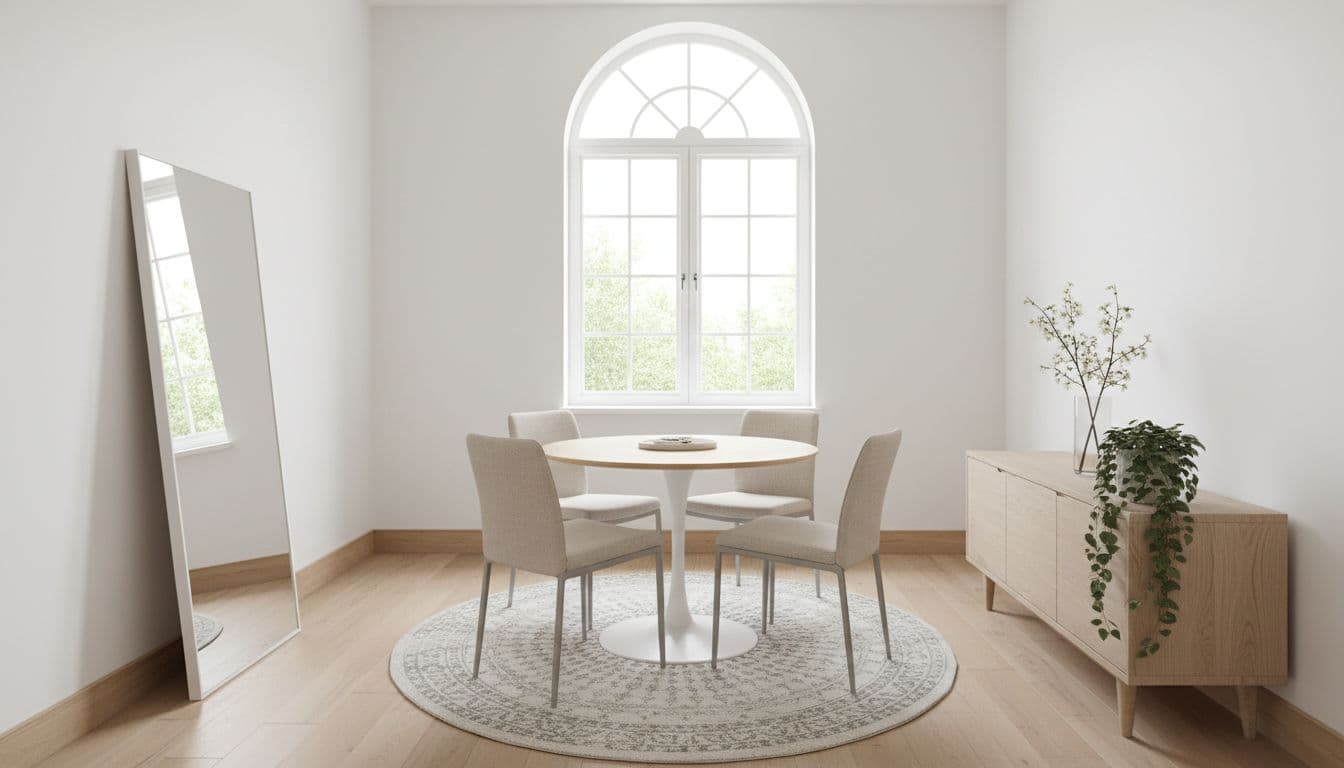
Small dining rooms feel more open when the furniture shape supports movement. A round table usually works better than a square one because it softens corners and keeps traffic flow easier. Slim chairs, open bases, and lighter finishes help the room breathe.
Mirrors can also pull serious weight in a small dining room. Placed opposite a window or beside a light source, they reflect brightness and make the room feel wider. Light oak, pale wood, glass, and linen finishes do the same thing without making the room feel bare.
A small dining room often works best with a few simple moves:
- Choose a round or oval table to improve flow.
- Use armless or slim-profile chairs so the room feels less crowded.
- Add one large mirror to expand the space visually.
- Keep the centerpiece low so sight lines stay open.
- Lean on lighter finishes for the table, area rug, and sideboard.
Pro Tip: In a tight dining room, the best centerpiece is one that looks finished but never blocks conversation.
Realtime design coverage for 2026 points to round and extendable tables, curved chairs, and warmer finishes as smart choices for smaller dining spaces. That shift makes sense, because compact rooms need furniture that works hard without looking heavy. For a broader look at 2026 dining room trends, warmth is replacing stark minimalism.
Formal vs Casual Dining
Formal and casual dining differ less by budget than by mood, materials, and restraint. A formal room usually uses richer finishes, heavier seating, and more structured lighting. A casual room keeps the same bones but softens them with relaxed textures and simpler pieces.
| Design Element | Formal Dining | Casual Dining |
|---|---|---|
| Table | Rectangular, heavier, more substantial | Round, oval, or lighter-profile |
| Seating | Matching upholstered chairs | Mixed chairs, benches, or banquettes |
| Lighting | Statement chandelier or layered sconces | Simple pendant or softer overhead light |
| Centerpiece | Tall arrangement, candles, sculptural bowl | Low bowl, fruit, greenery, or tray |
| Mood | Structured, elegant, reserved | Relaxed, warm, everyday-friendly |
In a formal space, think polished wood, upholstered chairs, a larger chandelier, and a centerpiece with height. In a casual room, lighter woods, mixed seating, and a simpler pendant create an easier feel. Both can be beautiful, but the balance changes with each choice.
The contrast becomes clearer when the main elements shift together:
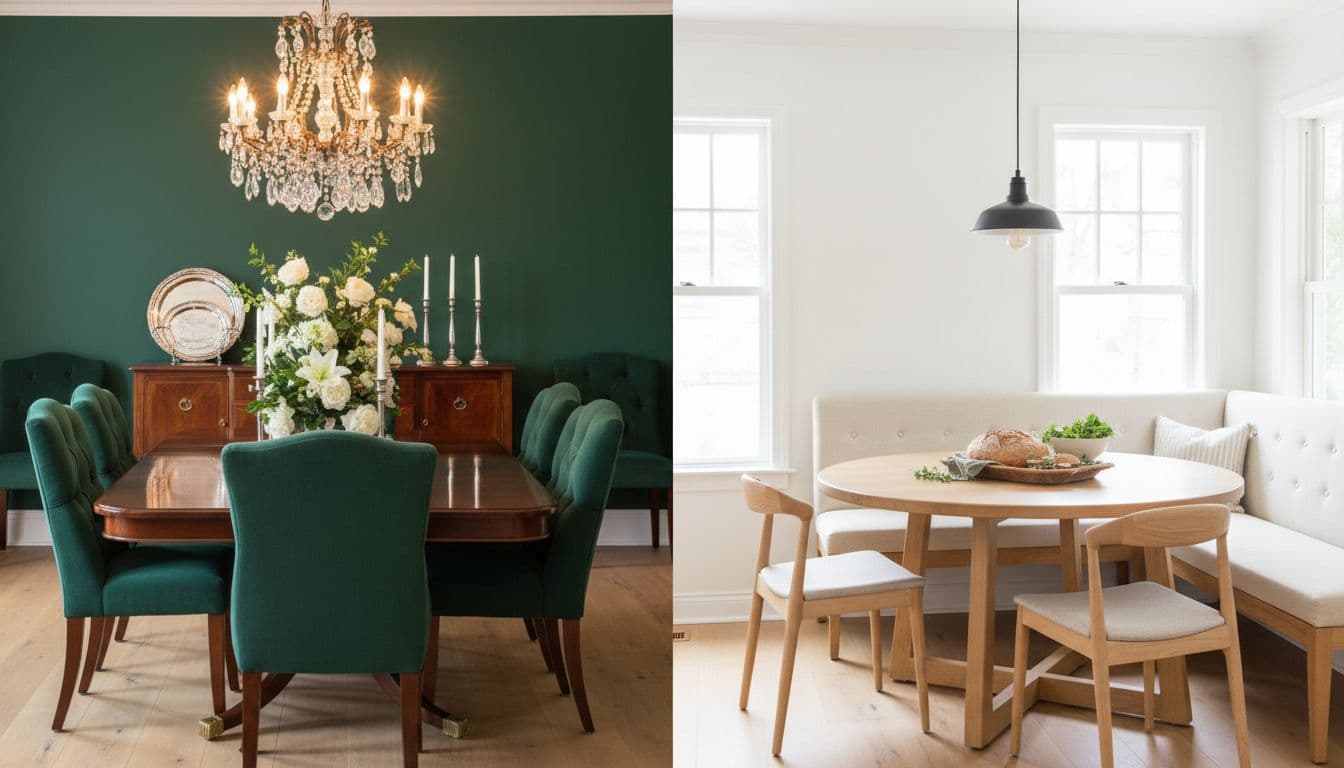
A formal dining room feels more composed when the chairs match and the centerpiece has height. A casual room feels more approachable when the seating is mixed and the table surface stays visually open. Both styles work best when the room has one clear mood and every choice supports it.
Bathroom Decor Ideas
A bathroom feels finished when it looks calm, clean, and easy to use. The best bathroom decor ideas do more than prettify a sink area. They manage clutter, soften hard surfaces, and make even a small room feel more intentional.
Bathrooms are often the smallest rooms in a house, yet they carry a lot of visual weight. That is why smart choices matter so much here. A better mirror, lighter color palette, and tighter product edit can change the room faster than a full remodel.
Small Bathroom Ideas
Small bathrooms look larger when the eye has fewer obstacles. Wall shelving is the first fix for storage, because it clears the floor and keeps essentials within reach. Floating shelves, recessed niches, and slim wall cabinets all help the room feel less crowded.
A mirror can do more than reflect a face. Choose one that is larger than the vanity, or a simple frameless shape that stretches the wall visually. Light colors on paint, tile, and towels also help the room feel open, especially when they repeat the same soft tone.
The countertop matters too. Edit it down to the basics, then keep the rest hidden. One soap dispenser, one hand towel, and one small decorative object often look better than a full collection of bottles.
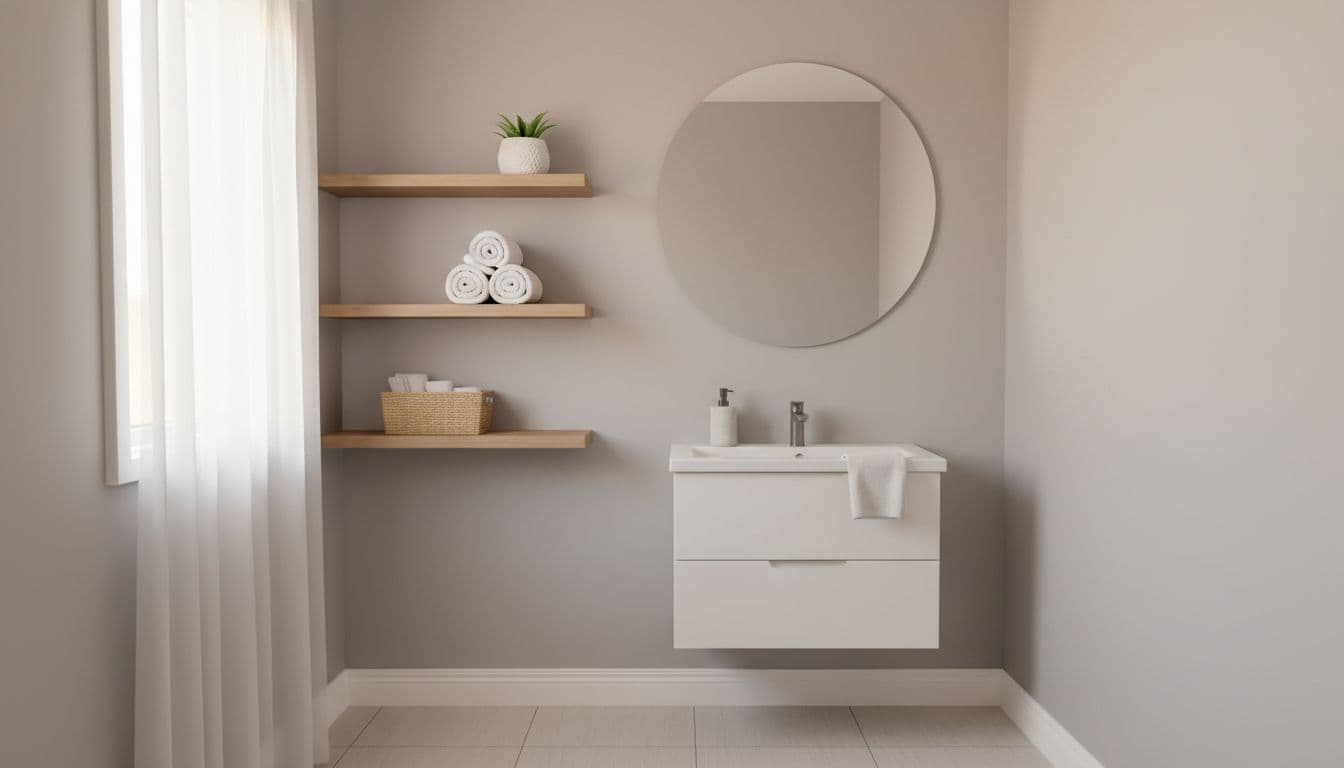
A few small-space choices make the biggest difference:
- Use wall-mounted storage to keep the floor clear.
- Pick a larger mirror to widen the room visually.
- Choose soft, pale colors that reflect light.
- Keep countertops edited so surfaces stay calm.
“Pro Tip: In a small bathroom, every visible object should earn its place.”
For readers who want a tighter, more lived-in look, small bathroom decorating ideas show how compact rooms can still feel polished without feeling busy.
Luxury Bathroom
A richer bathroom mood comes from finish, not spending. Better towels, coordinated containers, and warmer lighting do more than scattered decor pieces ever will.
The room starts to feel composed when the materials repeat and the colors stay controlled. Textiles are the fastest upgrade. Thick white or cream towels, a textured bath mat, and a simple shower curtain can make the space feel calmer right away.
Then add matching containers for soap, lotion, and cotton pads so the countertop reads as one visual story instead of a jumble. Lighting changes the room just as much. Sconces, warm bulbs, and layered light help the bathroom feel softer and more spa-like. A few stronger details, such as a framed mirror, matte hardware, or a stone-look tray, give the room enough weight to feel considered.
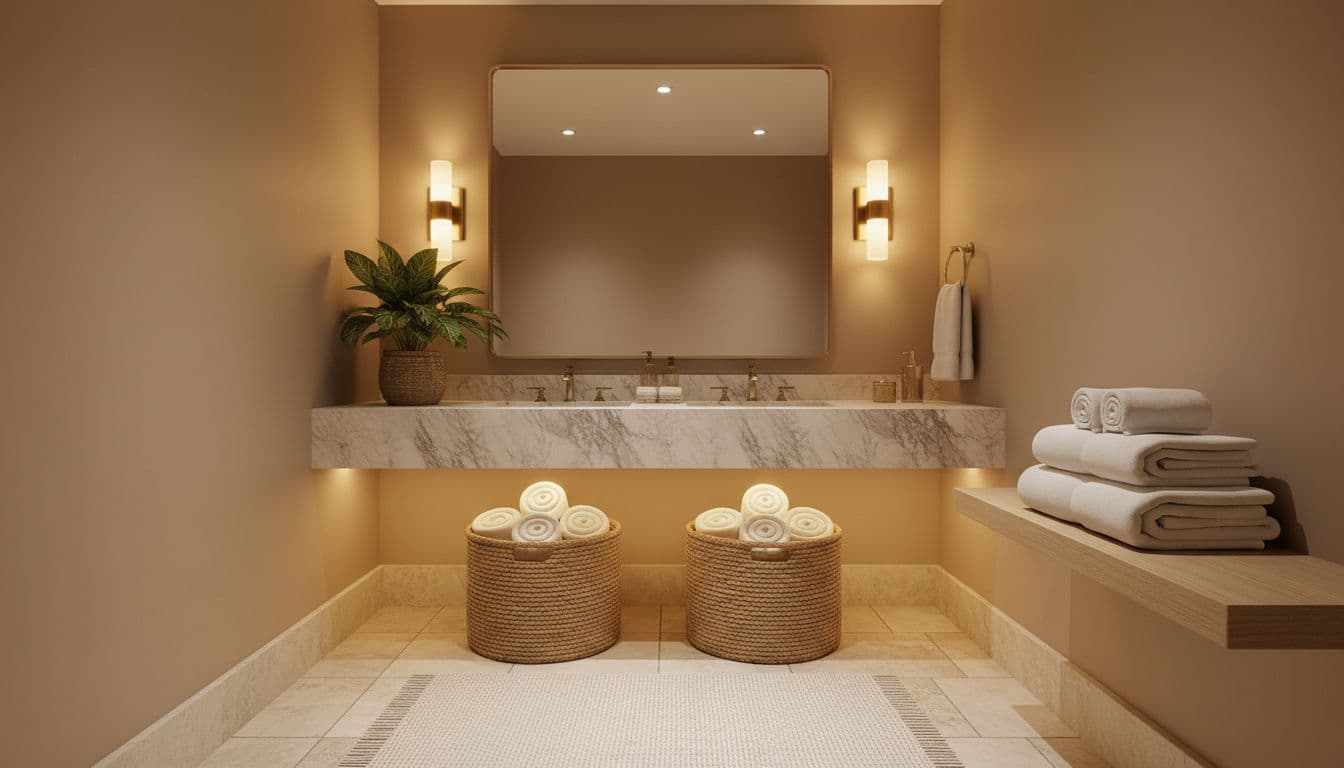
A budget-friendly luxury bathroom usually includes:
- Coordinated storage containers for everyday items.
- Plush towels in one color family for a cleaner look.
- Warm, layered lighting that softens the room.
- One or two stronger details, such as a statement mirror or better hardware.
“Pro Tip: Spend on the surfaces you see every day, then hide everything else.”
Current bathroom decor trends lean toward quiet luxury, spa-like finishes, and smarter storage, especially in smaller rooms. That means warm neutrals, larger mirrors, and matte metal accents are doing most of the visual work, while clutter and overly bright lighting are fading out. For a broader look at bathroom decor trends and budget upgrades, the pattern is clear, calm rooms now feel more premium than flashy ones.
Outdoor & Patio Decor Ideas
Outdoor spaces feel more complete when they are treated like rooms, not leftover square footage. The best outdoor and patio decor ideas use the same logic as interior rooms, with a smooth entryway transition to the outdoors, clear seating, a defined focal point, and materials that can handle sun, rain, and daily use. Once the layout feels intentional, even a plain patio or balcony starts to read like an extension of the home.
Weather-friendly furniture, layered textiles, and softer light do most of the work here. Add a rug, a few plants, and one or two strong styling choices, and the space gains shape fast.
Patio Decor Ideas
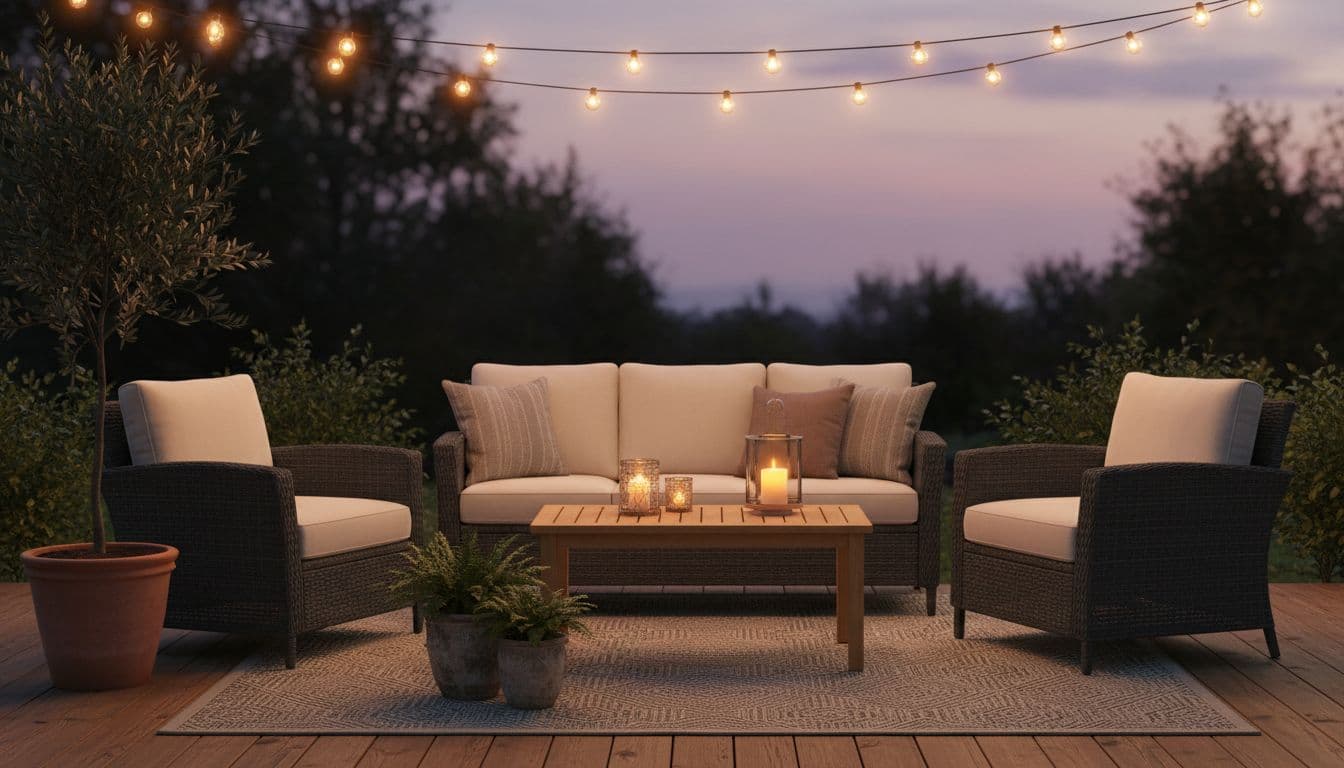
A good patio starts with a seating zone that feels settled, comfortable, and easy to use. Arrange outdoor furniture like chairs and sofas around one central table, then anchor the group with an outdoor rug so the setup feels grounded. That simple move gives the patio the same sense of structure as a living room.
Materials matter more outdoors because they have to age well. Look for functional, durable options like teak, powder-coated metal, all-weather wicker, and outdoor fabrics that resist fading and mildew. Then soften the edges with cushions, throws, and planters that bring in texture without asking for constant care.
Lighting should feel gentle and layered. String lights, lanterns, and solar path lights add warmth after sunset, while a few candles or covered lamps create a calmer mood for longer evenings. Realtime coverage of 2026 outdoor trends shows that relaxed, nature-connected spaces are replacing more formal setups, and patios are following that shift with softer materials and a less polished feel. For a broader look at 2026 patio and porch trends, the direction is clear, comfort is leading the way.
A patio usually feels more welcoming when it includes:
- A clear seating cluster that defines the space.
- Durable, functional materials that can handle changing weather.
- One rug or mat to anchor the layout.
- Soft lighting that makes the space usable at night.
- Simple styling like trays, bowls, or a few strong planters.
“Pro Tip: Keep the patio edit light. A few larger pieces look calmer than a scatter of small decor.”
Balcony Decor Ideas
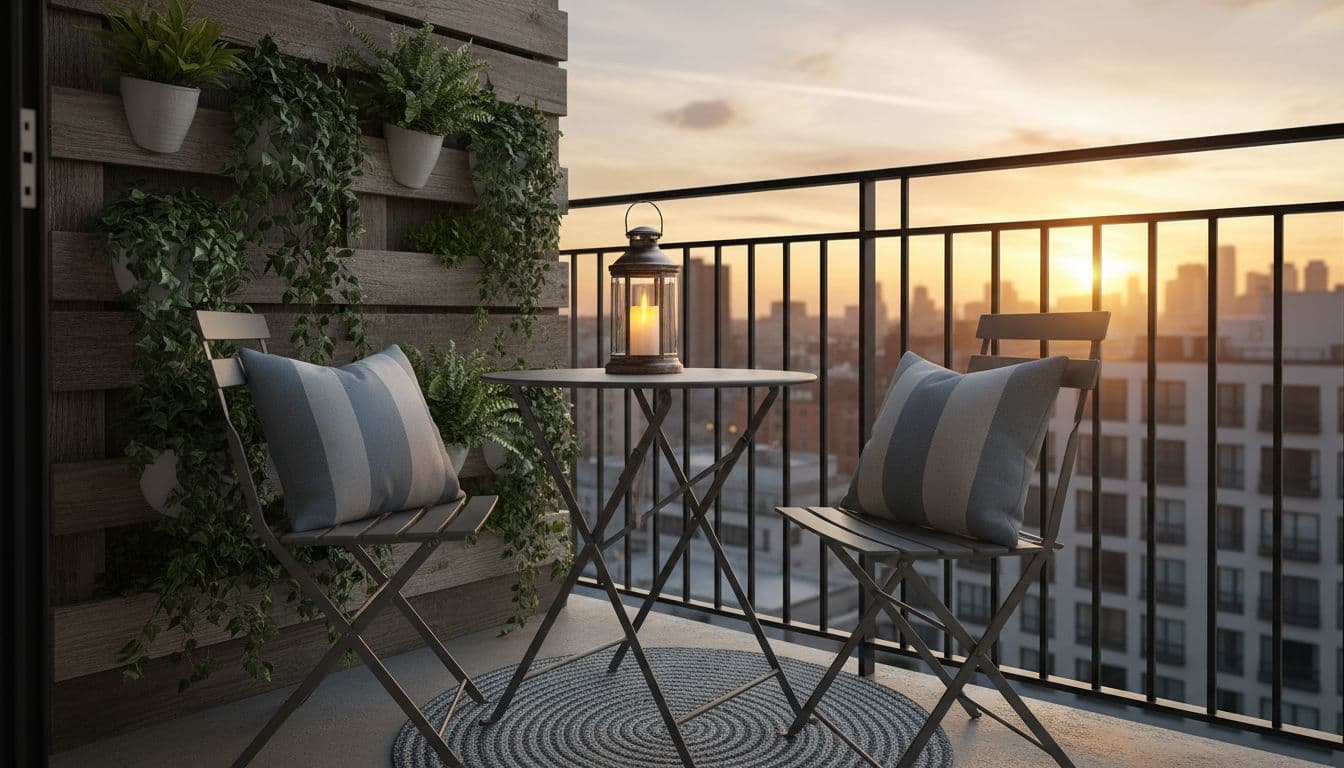
A balcony works best when every item earns its space. Folding furniture, wall planters, and slim storage pieces help the room stay open while still feeling styled. In a small footprint, the goal is not to cram in more, but to make the few visible pieces feel deliberate.
Vertical greenery does a lot of heavy lifting. A plant wall, hanging pots, or a narrow trellis draws the eye upward and makes the balcony feel fuller without taking up floor space. Layered textiles help too, especially a small outdoor rug, a seat cushion, and one throw or pillow in a coordinated palette.
The strongest balconies usually have one focal point. That might be a lantern, a small bistro set, or a chair placed beside a cluster of plants. Once that visual anchor is in place, the rest of the decor can stay simple and still feel finished.
For a compact balcony, the most effective choices are often these:
- Folding chairs and tables that tuck away easily.
- Vertical planters or hanging greenery to save floor space.
- Layered textiles in weather-safe fabrics.
- A single focal object that keeps the layout from feeling scattered.
- A small outdoor rug to give the space a room-like base.
“Pro Tip: On a balcony, one strong view line matters more than many decorative objects.”
Outdoor decorating trends are moving toward softer, more natural spaces that feel connected to the rest of the home. That makes balconies and patios easier to style, because the best version now is not formal or fussy, it is relaxed, functional, and lived in.
Home Decor Ideas by Style
Style gives home decor ideas a clear direction, which is why the same room can feel luxe, calm, modern, or compact with only a few smart changes. The strongest rooms do not mix every trend at once. They hold one point of view, then repeat it through materials, color, shape, scale, and features like wallpaper or an accent wall.
Style is also where home decorating ideas become easier to use. Once the mood is defined, choices get simpler, and the room starts to feel edited instead of assembled.
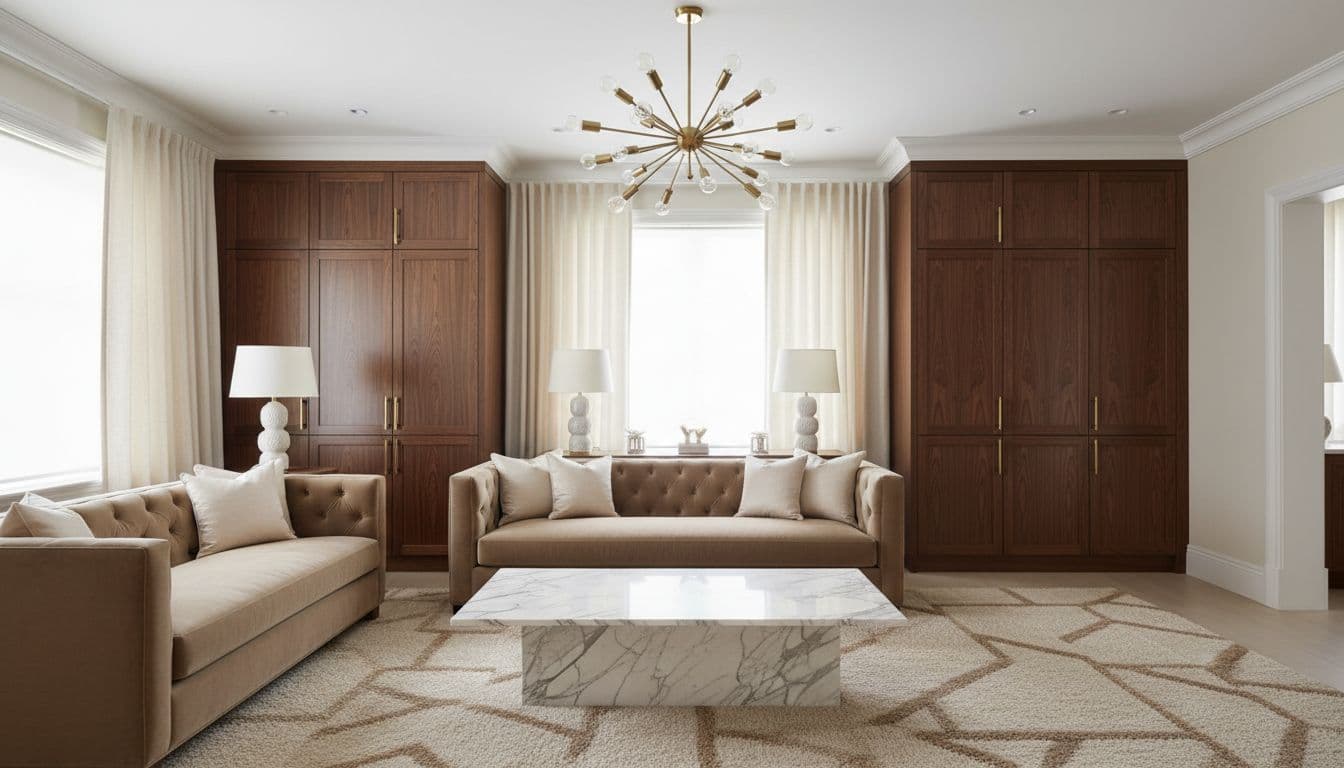
Mixing decor styles succeeds when you pick a dominant look for 70% of the room and use the secondary style for intentional accents like pillows, lighting, or wall art. By keeping texture and materials consistent across both styles, you create a cohesive rhythm rather than a scattered collection. This layered approach ensures your home feels collected and intentional instead of accidental.
Luxury Home Decor Ideas
Luxury home decor ideas work best when the room feels rich, but never loud. Strong materials do the heavy lifting, such as marble, velvet, polished wood, brass, and stone with a soft finish. Sculptural lighting also matters, because a single well-placed fixture can give the room the same presence as artwork.
Layering is what makes the look feel complete. A wool rug under a velvet sofa, linen curtains beside a marble table, and a few polished details on shelves create depth without excess. The room should feel considered, like every surface had a reason to stay.
“Pro Tip: Luxury feels strongest when the palette stays restrained and the finishes do the talking.”
A restrained luxury room usually keeps the color story quiet, then lets texture and shape create contrast. That approach makes the room feel elegant, not flashy, and it works especially well in living rooms, bedrooms, and dining spaces where the eye needs to rest.
Minimalist Home Decor
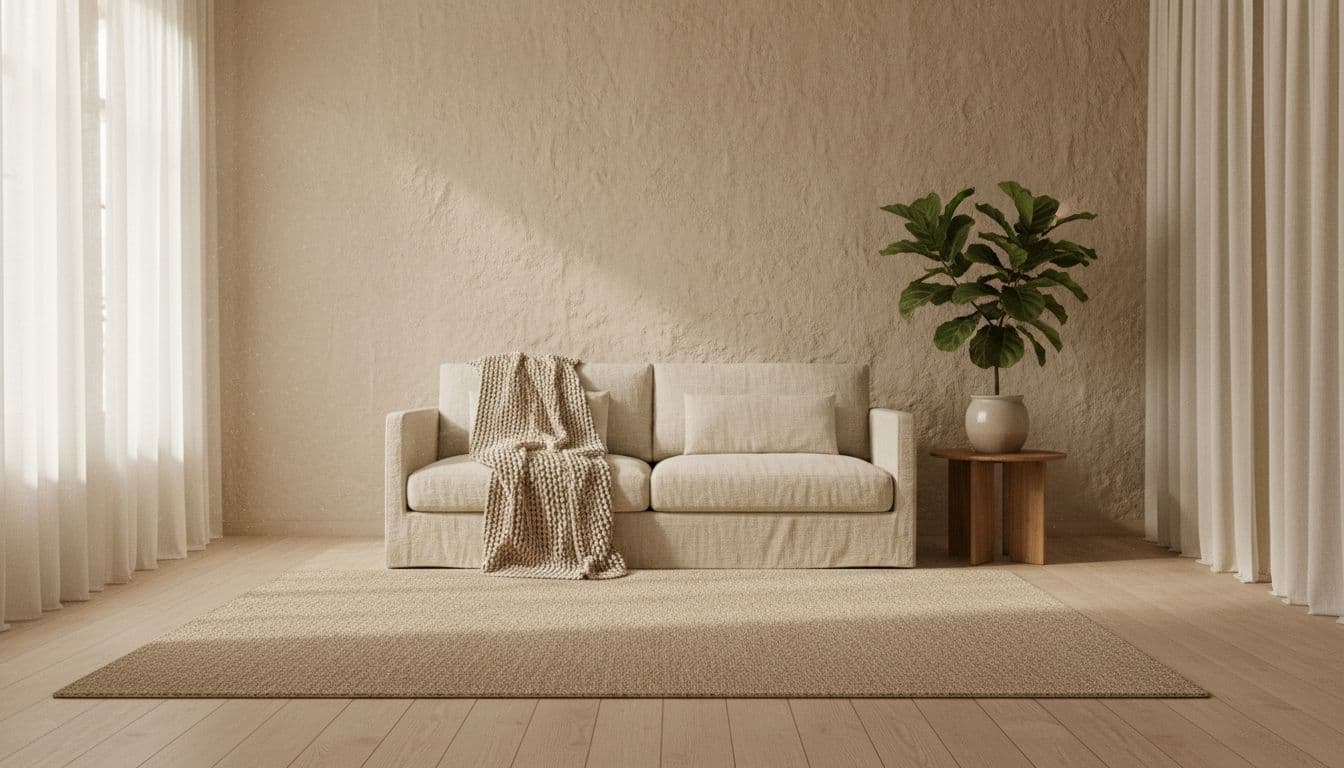
Minimalist home decor feels warm when it uses texture, soft color, and careful editing. A bare room can feel cold, but a pared-back room with linen, wood, clay, and woven finishes feels calm and human. The key is to remove visual noise without removing comfort.
This style depends on a limited palette and objects that earn their place. A simple sofa, one large art piece, and a few useful accessories often do more than a room filled with small decor. The result is cleaner sight lines, more breathing room, and a space that feels easier to live in.
Soft earthy tones keep the look from turning severe. Beige, oat, chalk, muted gray, and warm white all work well when they repeat across furniture and textiles. With the right mix of texture, minimalist decor can feel as lived-in as any other style, just quieter.
Modern Home Decor
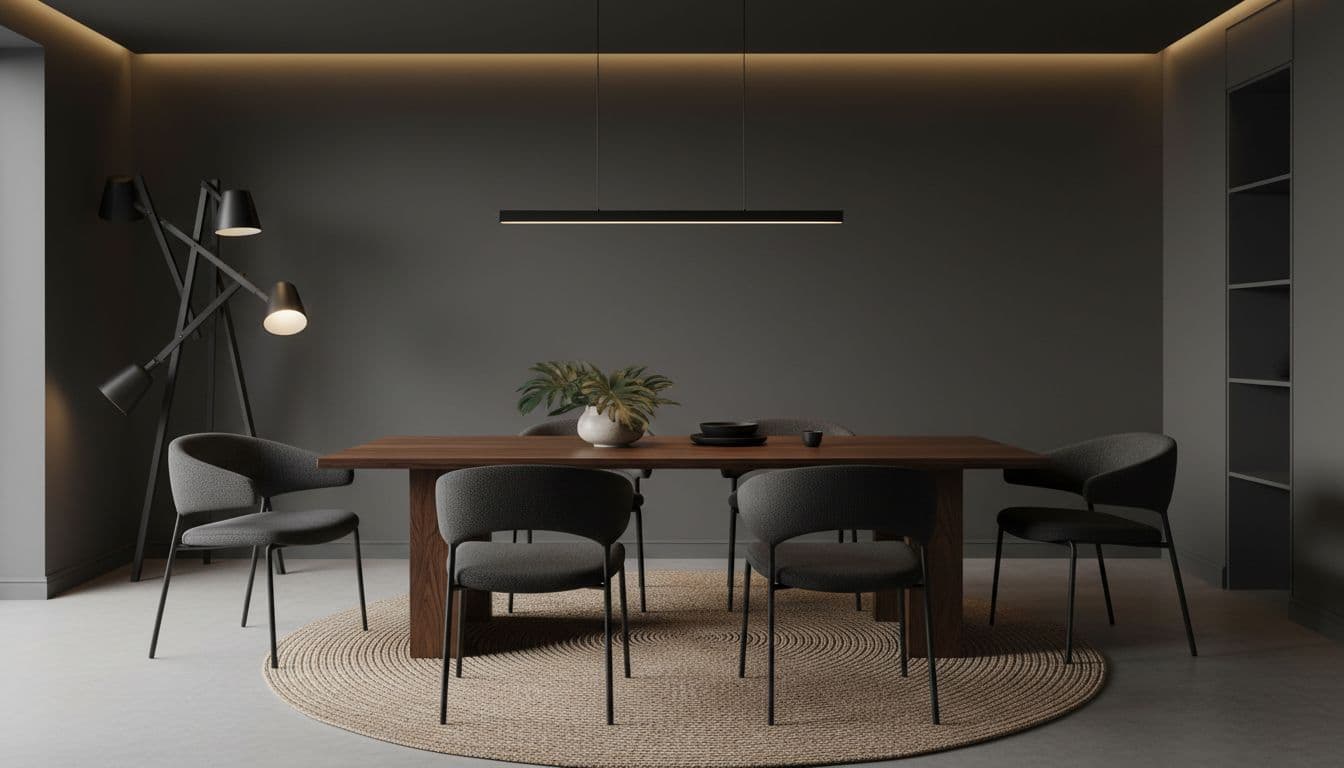
Modern home decor has shifted toward warmth, darker tones, and more character, while staying clean and simple. Hard edges still matter, but they now sit beside oak, leather, matte black accents, and deeper shades like charcoal or espresso. That mix gives modern rooms more depth without making them feel cluttered.
The clean look comes from discipline, not emptiness. Low furniture, straight lines, and fewer accessories keep the layout clear, while sculptural lighting or a bold rug adds enough contrast to keep the room from feeling flat. The strongest modern spaces feel edited, but still comfortable enough for everyday use.
Dark tones work especially well in this style because they anchor the room. A charcoal wall, walnut table, or black lamp base can make even a simple room feel grounded and intentional. That is why modern decor now feels less sterile and more personal than it did a few years ago.
Small Space Decorating
Small space decorating works when every piece earns its footprint and the room keeps a clear visual flow. Multifunctional furniture helps the most, such as storage ottomans, nesting tables, folding pieces, and beds or benches with hidden space. These choices reduce clutter and keep compact rooms useful.
Mirrors and lighter decor can also make a room feel larger. A mirror near a window spreads light, while a pale rug, slim lamp, or glass table keeps the eye moving instead of stopping at heavy shapes. The goal is not to hide the size of the room, but to guide it.
A small room looks better when the layout leaves open paths and the decor stays light on the floor. Tall shelves, wall-mounted storage, and a few well-scaled accents create more room visually than a lot of small objects. In practice, small space decorating is less about adding and more about editing with purpose.
Home Decor Ideas on a Budget
Good budget decorating is about choosing changes that alter the whole room, not buying more things for the sake of it. A small budget can still shape color, texture, scale, and mood when it goes to the right places. That is why the smartest home decor ideas on a budget often look simple, but they change the room fast.
The cleanest way to spend less is to treat decor in tiers. Small purchases handle the visual details, mid-range buys improve comfort and light, and a slightly larger budget can shift the structure of the room itself, especially in high-impact areas like the entryway.
Under $50 Home Decor Ideas
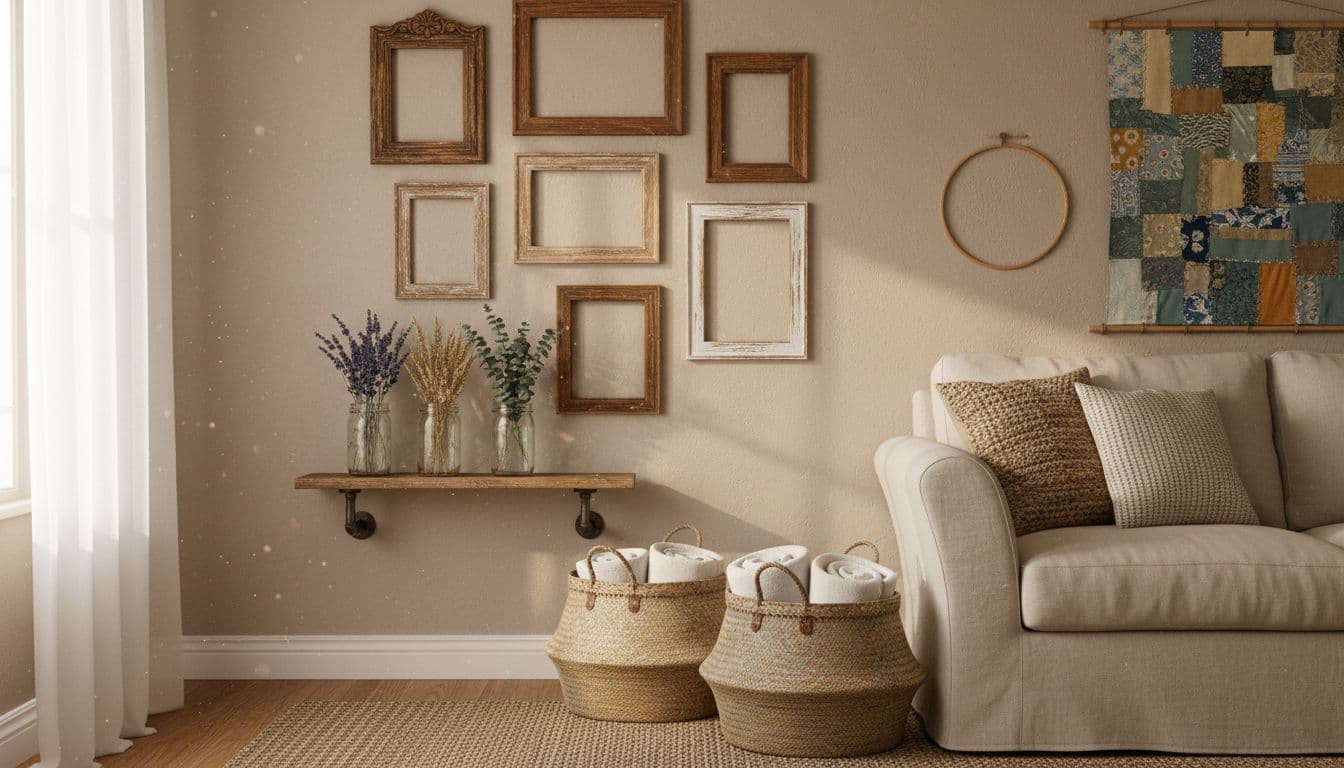
A budget under $50 works best for the smallest changes with the biggest visual return. This is the range for thrifted frames, new pillow covers, a better throw, simple jars, baskets, or one piece of wall art that fills an empty spot. The room does not need a full reset, only one or two details that make it feel less bare.
Textiles are usually the best place to start. A fresh cushion cover or folded throw adds color and texture without crowding the room, and a basket can hide clutter while still looking intentional. Even a set of matching jars on a shelf can make a bathroom or kitchen feel cleaner and more put together.
The strongest low-cost updates usually include:
- Thrifted frames for art, photos, or a small gallery wall.
- New textile pieces such as pillow covers, tea towels, or a throw.
- Baskets and jars that handle storage with less visual noise.
- DIY wall art projects that fill blank space without a large spend.
“Pro Tip: At this price point, pick one area that feels unfinished and fix only that spot first.”
Under $100 Home Decor Ideas
A budget under $100 gives a room more shape because it can improve light, texture, and one or two anchor pieces. This is where a better lamp, a larger mirror, new curtains, or a more substantial area rug starts to matter. Instead of only decorating the surface, the room begins to feel more complete.
Lighting changes a space faster than almost anything else. A table lamp with a warmer bulb can soften a harsh room, while a floor lamp can balance a dark corner that has never felt useful. Mirrors work the same way, because they spread light and help the room feel larger without adding clutter.
At this level, the goal is to spend on pieces that stay visible every day. That might mean one mirror above a console, a pair of quality pillow covers, or an area rug that defines the seating area better than the old one did. For a closer look at room styling with this kind of budget, cozy bedroom lighting ideas show how much one fixture can change the mood.
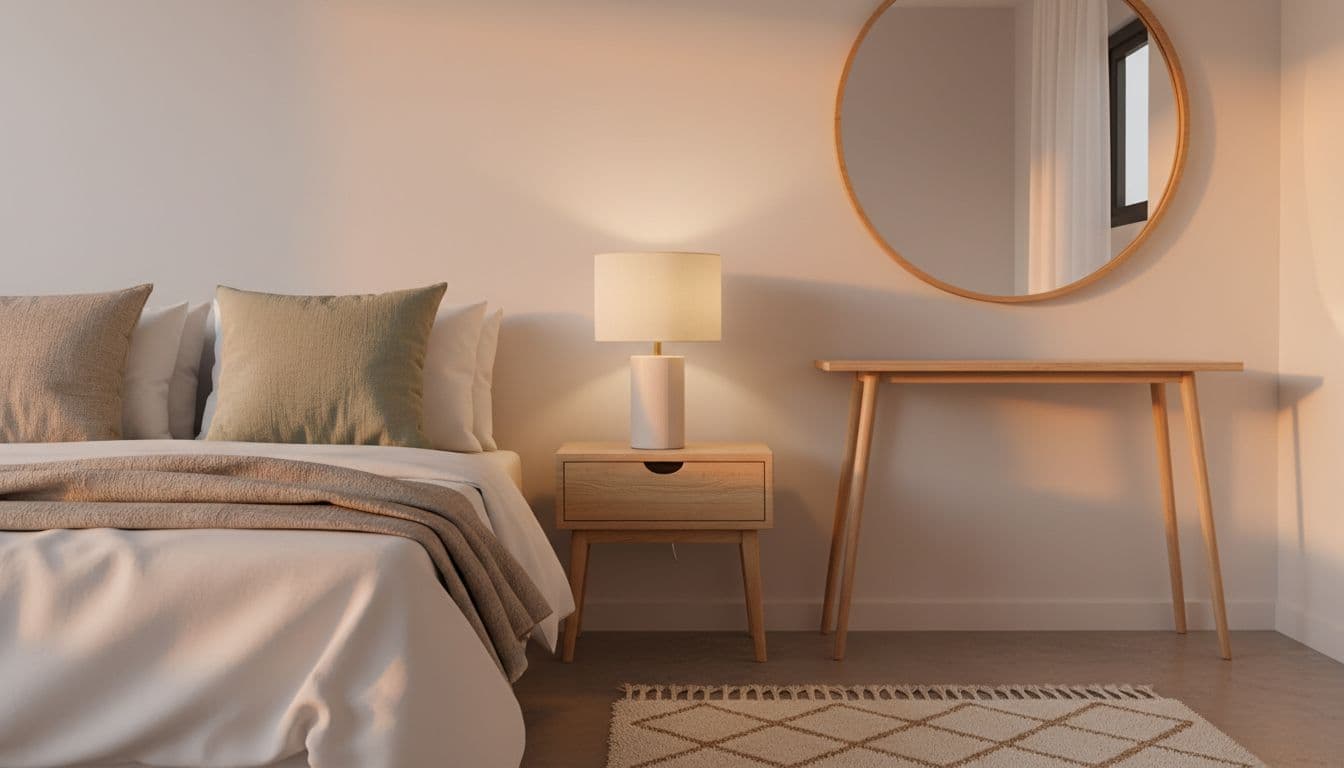
A practical under-$100 mix often looks like this:
- One lamp or floor light to improve the room’s atmosphere.
- One mirror to open up the wall and reflect light.
- A textile upgrade such as curtains, pillows, or an area rug.
- One accessory group that ties the palette together.
That spending pattern gives the room a stronger base, which is usually more valuable than adding several small objects. The result feels steadier, and the room reads as intentional instead of patched together.
Under $200 Home Decor Ideas
A budget under $200 can create a noticeable transformation because it allows for paint, shelving, and larger decor pieces. This is the range where a room stops looking like it needs finishing and starts looking like it has direction. A painted wall, a new shelf arrangement, or one substantial mirror can change how the whole room is read.
Paint does some of the hardest work. One accent wall, a fresh trim color, or a warmer neutral can make old furniture look better without replacing it. Add shelving, and the room gains height and structure, which is especially useful in living rooms, bedrooms, and entryways. The entryway stands out as a high-impact budget area where these changes create an immediate welcoming impression.
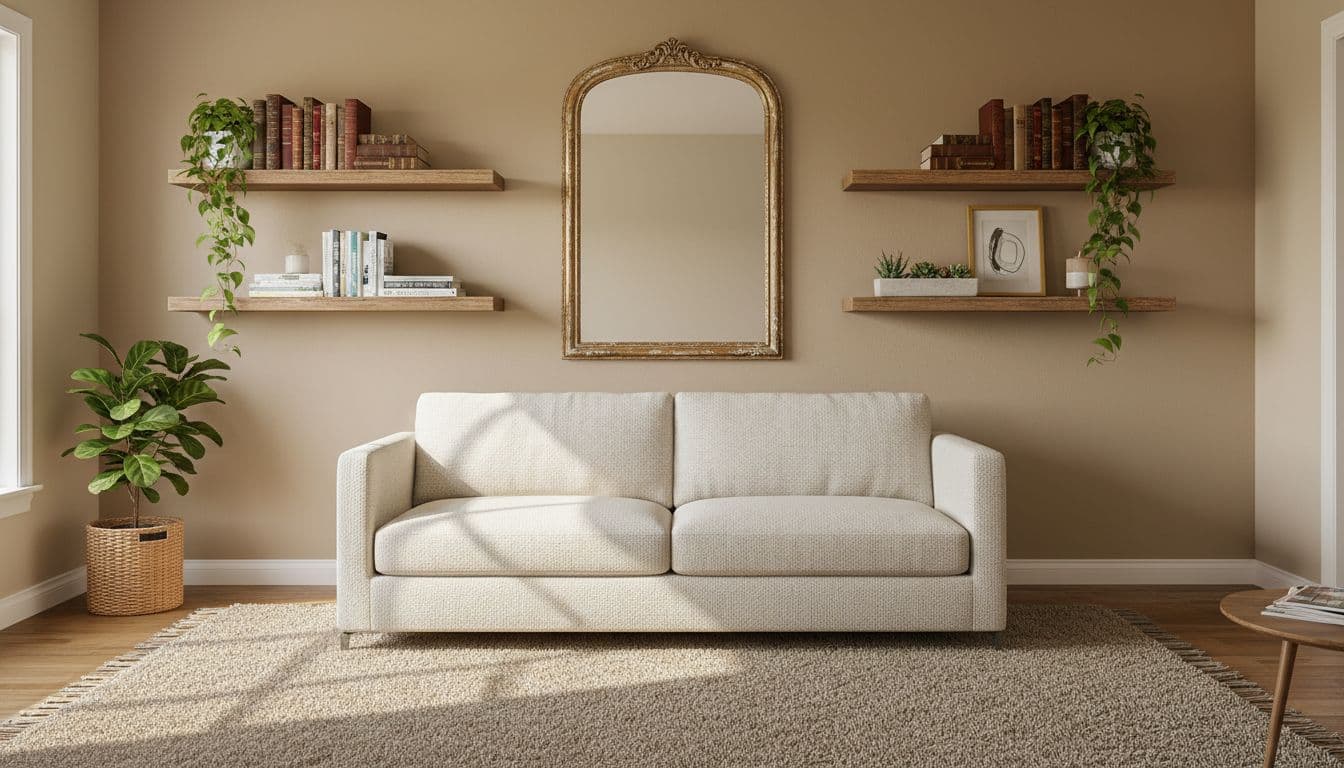
This budget also supports room anchors, which are the pieces that hold everything else together. A large mirror, a better rug, or a pair of floating shelves gives the room more visual weight, and that makes the smaller decor around it feel more purposeful. For readers tracking broader budget-friendly home decorating trends, 2026 budget home decor trends continue to point toward warm neutrals, vintage finds, and layered texture.
“Pro Tip: Start with the entryway for paint or shelving to maximize impact across the whole home.”
A strong under-$200 plan usually includes:
- Paint or wall color changes that reset the whole palette.
- One larger decor piece, such as a mirror or framed art.
- Shelving for both storage and display.
- A room anchor, like a rug or console, that grounds the layout.
When the budget reaches this level, the room starts to feel redesigned rather than simply decorated. That is the difference between a few nice objects and a space with real structure.
The Most Common Home Decor Mistakes, And How to Fix Them
Most decorating problems come from trying to fill space before giving it a clear job. Rooms start to feel off when scale, lighting, storage, or balance gets ignored. The good news is that most common home decor mistakes have simple fixes, and they usually cost less than replacing everything.
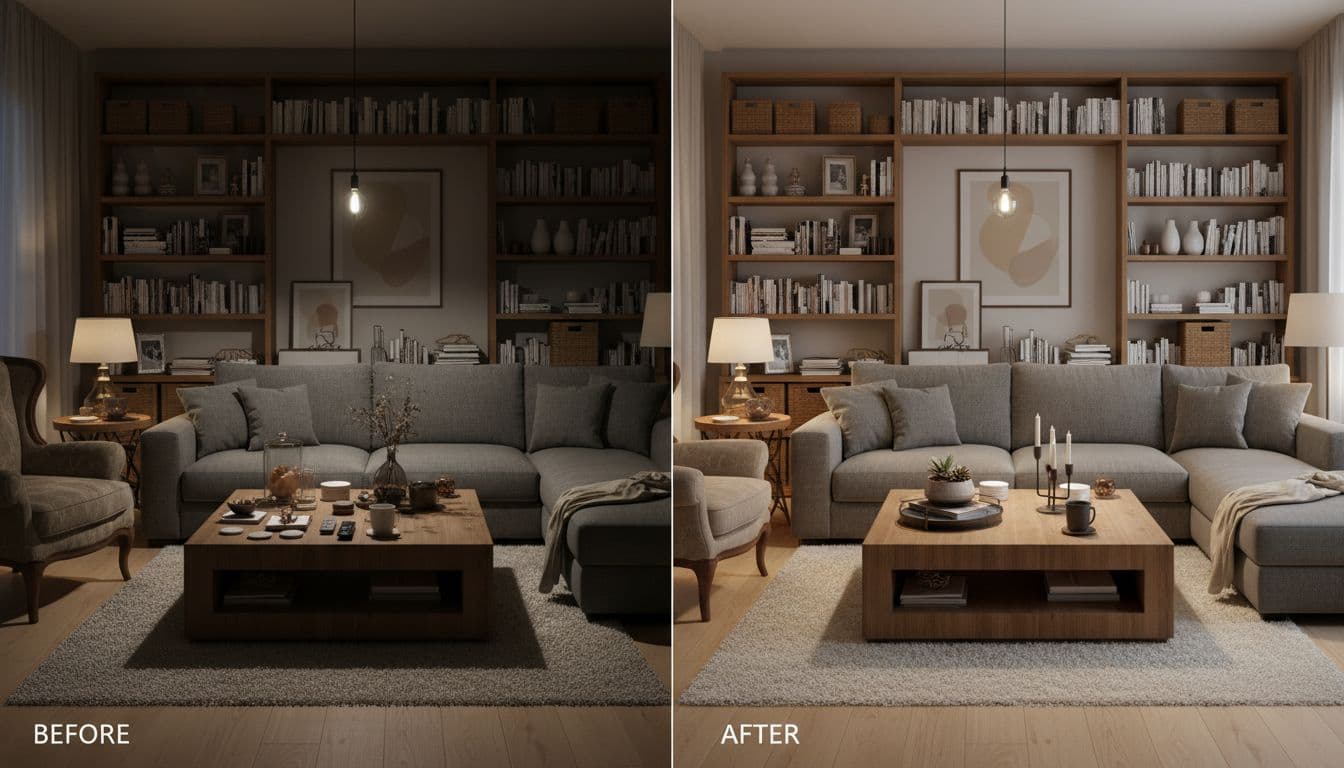
A room does not need perfection. It needs proportion, breathing room, and a few choices that repeat with purpose. Once those pieces are in place, even a basic room feels more finished and far easier to live in.
1. Buying decor before the room has a plan
One of the biggest mistakes is shopping before the room has a color story or layout. A few pretty objects can still look wrong if they do not relate to the sofa, rug, wall color, or lighting. The result is a room full of individual pieces that never quite connect.
The fix is simple. Start with one anchor, such as a rug, curtain, wall color, or large piece of art, then build the rest of the room around it. That gives every purchase a clear role and keeps the space from feeling random.
2. Using furniture that is the wrong size
Scale mistakes make a room feel awkward faster than almost anything else. A rug that is too small, a sofa that overwhelms the wall, or tiny chairs floating in a large room can throw off the whole look. Even expensive furniture looks wrong when the proportions miss the mark.
The fix is to size up in most cases, especially with rugs and artwork. Furniture should relate to the room and to each other, so the seating area feels connected instead of scattered.
3. Relying on one harsh overhead light
A single ceiling light often makes a room feel flat and uninviting. It casts hard shadows, flattens texture, and leaves corners underused. Beautiful decor loses a lot of its warmth under bad lighting.
The fix is layered lighting. Use a mix of overhead, table, floor, and accent light so the room can shift from bright to soft. Warm bulbs help too, because they make wood, fabric, and paint look richer.
4. Cluttering every surface
Too many small objects create visual noise. A mantel packed edge to edge, a coffee table covered in trinkets, or shelves filled without pause can make even a stylish room feel tense. The eye has nowhere to rest.
The fix is editing. Keep fewer pieces on display, group them in small clusters, and leave open space between them. A calm surface almost always looks more expensive than a crowded one.
5. Matching everything too perfectly
Perfectly matched rooms often feel flat and showroom-like. When every pillow, frame, finish, and accessory repeats the same note, the room loses character. It can look polished at first, then feel lifeless.
The fix is controlled variation. Mix materials, soften the palette with texture, and let one or two pieces feel slightly different while still belonging to the same room. That balance gives the space depth without chaos.
6. Hanging wall art too high
Wall art placed too high breaks the visual flow of a room. It disconnects the wall decor from the furniture below and makes the room feel stretched in the wrong way. The same problem happens when art is too small for the wall.
The fix is to hang wall art closer to eye level and size it to the furniture beneath it. Above a sofa or console, the wall art should feel related to the piece below, like part of the same composition.
7. Ignoring storage in everyday spaces
A room can look decorated and still feel messy if storage is missing. Baskets, drawers, cabinets, and closed bins matter because they keep daily life from taking over the visual space. Without them, counters and floors start collecting everything.
The fix is to build storage into the room early. Use hidden storage where possible, then add a few attractive containers for the items that need to stay out. A room feels calmer when the practical pieces have a place to land.
8. Following trends without editing them for your home
A trend only works when it fits the way the room is used. A color or style may look great online, but it can fail if it fights the lighting, layout, or mood of the space. That is why some trendy rooms feel uncomfortable the moment someone moves in.
The fix is to use trends as accents, not the whole plan. Keep the core of the room tied to your needs, with rugs, lighting, and storage as strong foundations. Then bring in trend-forward pieces where they make sense. That keeps the space current without making it fragile.
“Pro Tip: If a room feels wrong, check scale first, then lighting, then clutter. Those three choices fix more than most people expect.”
The same pattern shows up again and again: rooms feel better when they are edited, balanced, and lit with care. Good home decor ideas do not ask for more stuff, only smarter choices.
Frequently Asked Questions About Home Decor
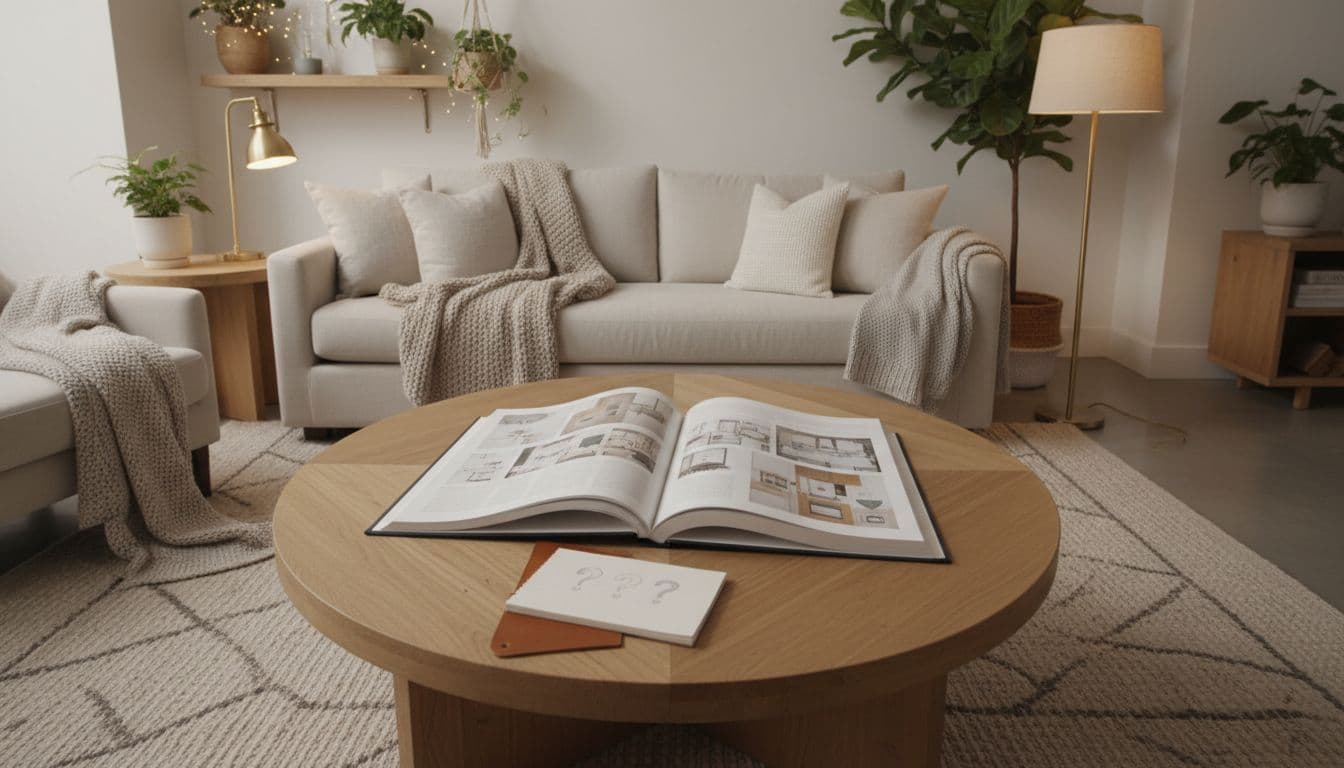
Home decor questions usually come down to where to begin, what matters most, and how to avoid expensive mistakes. The answers are simpler than most people expect. Good decorating starts with one clear choice, then builds through light, color, scale, and a careful edit.
How do I start decorating my home from scratch?
Start with the room’s biggest decisions first, then add detail later. Choose a color palette, place the main furniture, and decide how the room needs to work before buying decor. That sequence keeps the space from feeling random and helps each piece support the whole room. Lighting plays a key role here, so plan it early.
A simple starting order looks like this:
- Pick one room and one purpose.
- Set a main color palette.
- Place the largest furniture first.
- Add lighting before accessories.
- Finish with texture, art, and personal items.
The most useful home decor ideas usually begin with restraint. Once the large pieces feel right, smaller decor choices become much easier.
What are the current home decor trends?
Current home decor trends lean warm, layered, and more personal. In the US, 2026 styling moves toward rich woods. It favors cozy textures. Curved shapes gain popularity. Details feel collected rather than overly matched. That includes braided rugs. Quilted accents add warmth. Fluted surfaces bring texture. Wood furniture has softer lines. Kitchens feature more color.
For a broader look at the year’s direction, The 5 decorating trends set to take over 2026 shows how personality replaces strict minimalism. The strongest trend is still balance. A room can follow current home decor ideas without feeling tied to a single season.
How do I make my home look expensive on a budget?
A room looks more expensive when it feels edited, balanced, and consistent. Focus on lighting, texture, and scale before buying more decor. Better curtains, one larger mirror, heavier bedding, or a well-sized rug can raise the whole room faster than many small items.
A few low-cost changes do the most work:
- Swap in warm lighting with dimmers or softer bulbs.
- Use matching containers and trays to reduce visual clutter.
- Add one large art piece instead of several small ones.
- Mix matte, woven, and polished surfaces for depth.
- Keep the color palette tight so the room feels calm.
The 60-30-10 rule helps too, because it keeps color from drifting in too many directions. When the proportions stay controlled, even budget decor can look polished.
What is the 60-30-10 rule in decorating?
The 60-30-10 rule is a simple way to balance color in a room. Use one dominant color for about 60 percent of the space, a secondary color for about 30 percent, and an accent color for the final 10 percent. It keeps the room from feeling flat or chaotic. A consistent color palette makes it even more effective.
In practice, that might mean walls and a large rug in the 60 percent color, curtains and upholstery in the 30 percent color, and pillows, art, or accessories in the 10 percent shade. It works especially well when the palette stays calm and the accent color appears in just a few places.
Where should I start when redecorating a room?
Start with what feels wrong, not with what looks pretty in a store. A room usually needs better scale, better lighting, or a clearer layout before it needs more decor. Fixing the biggest problem first gives the whole space more structure.
The best sequence is simple:
- Remove what does not belong.
- Check the furniture layout.
- Improve the lighting.
- Choose a color anchor.
- Add decor only after the room feels balanced.
That approach works in every room, from living spaces to bathrooms. It keeps home decor ideas focused on the room itself, which is where the real change happens.
Conclusion
The strongest home decor ideas are rarely the most expensive ones. They are the choices that give a room a clear anchor, softer light, and a better sense of balance.
Across every room, the pattern stays the same. Good decorating is intentional, layered, and personal, so a space feels considered without feeling forced. That is the heart of this guide, and the Free Decor Guide at housedecoreideas.com keeps the same focus. Dive into more home decor ideas and design inspiration for room-by-room decorating guides, where the best results come from a few smart changes made with care.
Related reading
- Home Decor Styles Explained: Find Your Perfect Interior Style
- Affordable Budget Home Decor Ideas for a Modern Home Refresh
- Home Decor Trends 2026: 15 Looks to Try Right Now
- 15 Living Room Ideas That Prove Your Space Has Serious Potential
- 15 Small Bedroom Ideas to Maximize Space in Every Inch
- 13 Kitchen Decorating Ideas That Work in Any Kitchen
- 18 DIY Home Decor Ideas That Look Expensive
- 17 Wall Decor Ideas for Every Room